

August 2026 – Volume 30, Number 2
https://doi.org/10.55593/ej.30118m1
| Title | NotebookLM (now renamed “Gemini Notebook”) |
| Developer | Google, Inc. |
| Contact information | https://notebooklm.google.com |
| Type of product | Web-based AI tool developed by Google for organizing, summarizing, and interacting with user-uploaded documents. |
| Platform | Web-based application accessible via modern browsers (Google Chrome, Mozilla Firefox, Safari) on laptops, tablets, and smartphones. |
| Minimum hardware requirements | Device with an updated web browser and stable internet connection; speakers or headphones recommended for audio/video features |
| Supplementary software | None |
| Price | Free |
Generative artificial intelligence (GenAI) chatbots have increasingly attracted attention in the field of education due to their potential to support autonomous learning, provide immediate feedback, and offer on-demand academic support. However, previous studies (e.g., Walters & Wilder, 2023; Alkaissi & McFarlane, 2023; Kocon et al., 2023) indicate that GenAI chatbots are vulnerable to hallucination, including the fabrication of information, sources, or citations, and may rely on unreliable data when responding to users’ queries. When knowledge generated is inaccurate, students may unintentionally integrate invalid evidence into their academic work. Without timely clarification from teachers, such misconceptions may fossilize in students’ long-term memory. Moreover, when GenAI tools do not rely on verified or curated databases, students may be exposed to biased or misleading information.
These technological constraints place an additional challenge for educators, who are already tasked with managing the complexities of contemporary English language classrooms. Such classrooms often comprise learners with mixed abilities, diverse learning profiles, and a wide range of educational needs. This diversity presents significant challenges for educators in designing instruction that engages all students while promoting meaningful language development. Research shows that differentiated instruction is a crucial pedagogical approach in mixed-proficiency EFL (English as a foreign language) contexts, as it supports learning experiences aligned with learners’ readiness levels and individual strengths (Tomlinson & Imbeau, 2023). In particular, differentiated instruction can enhance student engagement and responsiveness in linguistically diverse classrooms (Tajik et al., 2024).
Therefore, this paper aims to review a GenAI tool, NotebookLM, which generates responses exclusively from user-uploaded sources, including lecture recordings, textbook chapters, and research articles. By relying solely on these sources, NotebookLM offers a more controlled and pedagogically reliable AI-supported language learning environment.
General Description
NotebookLM is a web-based GenAI application developed by Google and originally intended for users (e.g., students, researchers) to organize and synthesize information based on multiple sources. Unlike well-known GenAI chatbots such as ChatGPT or Gemini that retrieve information from unrestricted internet sources, NotebookLM generates all output exclusively from the documents uploaded by the users. This design substantially reduces the risk of hallucinated content and enhances the pedagogical reliability of the generated information, making the tool particularly suitable for educational contexts by reducing the manual labour of content adaptation. This allows instructors to readily transform high-level research into student-ready materials without the risk of losing pedagogical alignment with their curricula.
Alisoy (2025) noted that the architectural affordances of NotebookLM have been increasingly recognized for their potential in language education, expanding its utility beyond its initial design for professional research. Rather than acting as a general-purpose tool, the platform serves as a mediator for evidence-based interaction, allowing users to engage with complex academic corpora through an AI-scaffolded environment. For instructors, the platform can function as a content transformation tool that reconfigures dense instructional materials into various accessible formats. For learners, the ‘chatbot’–one of its features–can serve as a guided companion for independent study, enhancing comprehension by allowing them to interact with reliable, teacher-validated sources. In this way, the tool may support differentiated instruction by offering multiple representations of the same content, enabling the adaptation of materials through the chatbot to match varying learner proficiency levels (Tomlinson, 2014).
In addition to the chatbot, this technology provides other functions that can be useful for language learning and teaching, such as audio overview, video overview, flashcard, and quiz (Figure 1). The chatbot interface appears at the centre, users’ uploaded sources are displayed on the left, and other features are listed on the right. Through varied modalities, these diverse systems can support differentiated instruction, as they can be tailored to students’ readiness, interests, and learning profiles to enhance understanding (Algozzine & Anderson, 2007; Tomlinson, 2014).
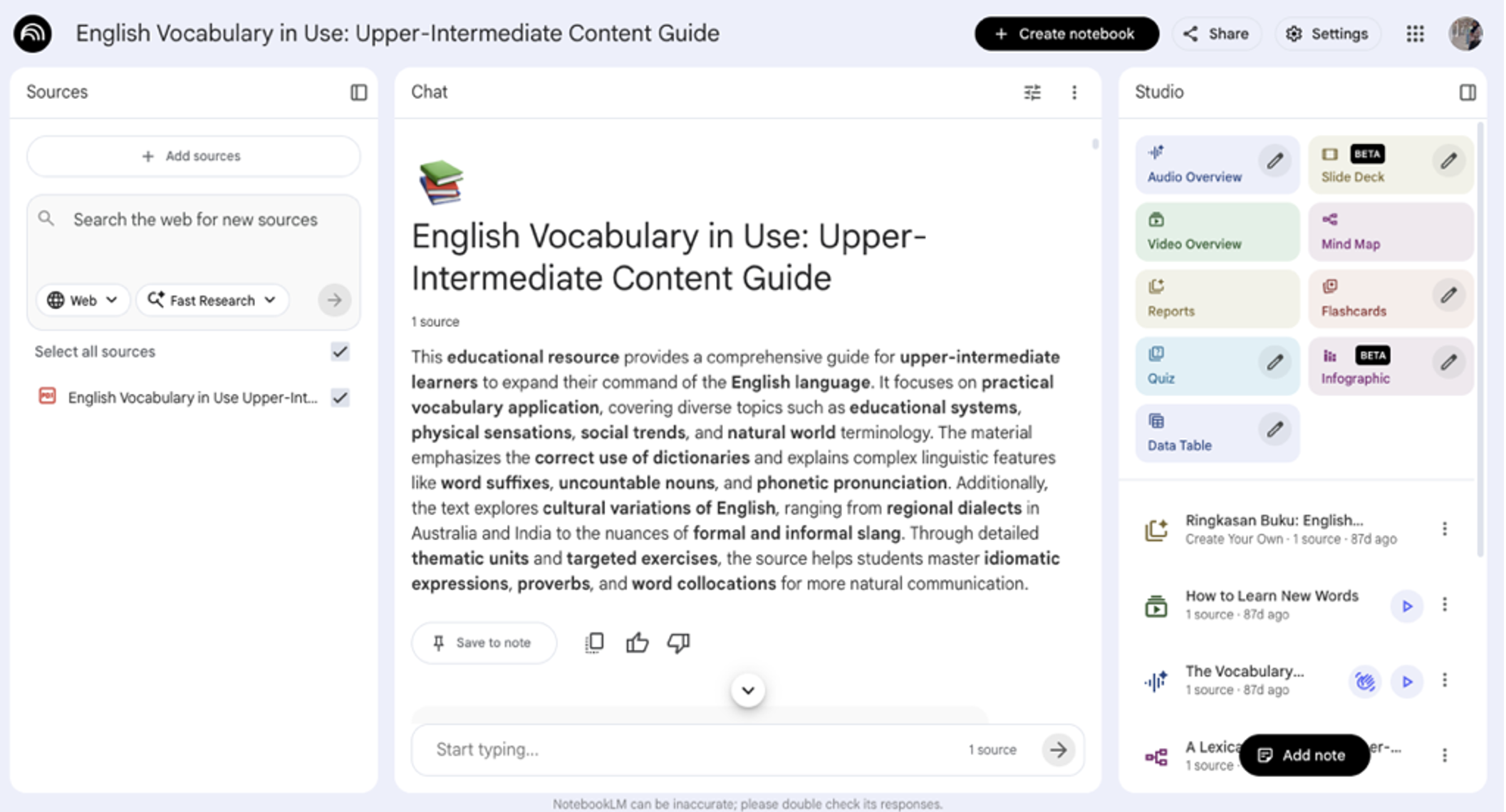
Figure 1. General view of the NotebookLM interface
Chatbot
Like other generative AI chatbots (e.g., ChatGPT), the ‘chatbot’ feature allows users to ask questions, request explanations, or seek clarification based solely on the uploaded instructional materials. As shown in Figure 2, users can engage in an ongoing dialogue with the system to generate definitions, examples, or summaries that are directly grounded in the source documents.
In language learning, this tool is particularly valuable because it allows learners to revisit course materials independently while ensuring that all responses remain aligned with teacher-selected content. From a CALL perspective, such interaction supports meaningful engagement with learning materials while maintaining instructional validity (Chapelle, 2005). Additionally, this chatbot supports multiple languages, enabling learners to interact with the tool in their first language when necessary to facilitate comprehension.
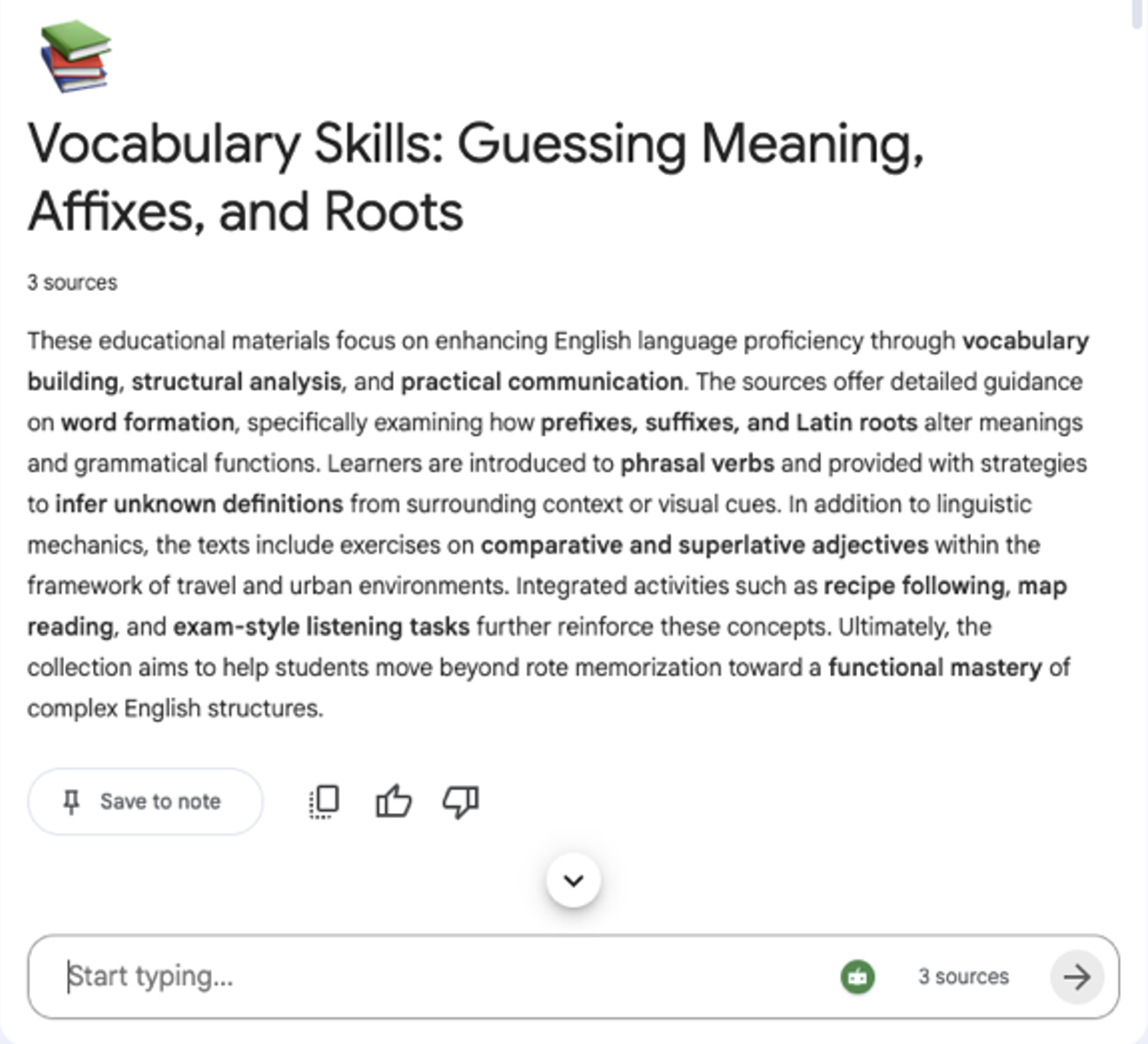
Figure 2. Chat feature using user-uploaded instructional materials
Video Overview
NotebookLM includes a ‘video overview’ tool that helps generate visual summaries of uploaded content. This function presents information in a slide-based format accompanied by native-like narration (Figure 3). Teachers can use customization prompts to request summaries of specific chapters or sections and to adjust the level of difficulty, pacing, and vocabulary according to learners’ proficiency levels.
This option can support learners who benefit from visual input and segmented presentation of information. The slide-based structure allows content to be processed step by step, reducing cognitive overload and supporting comprehension. From the perspective of differentiated instruction, the ability to adjust linguistic complexity and pacing enables teachers to tailor materials to diverse learner profiles (Tomlinson & Imbeau, 2023).
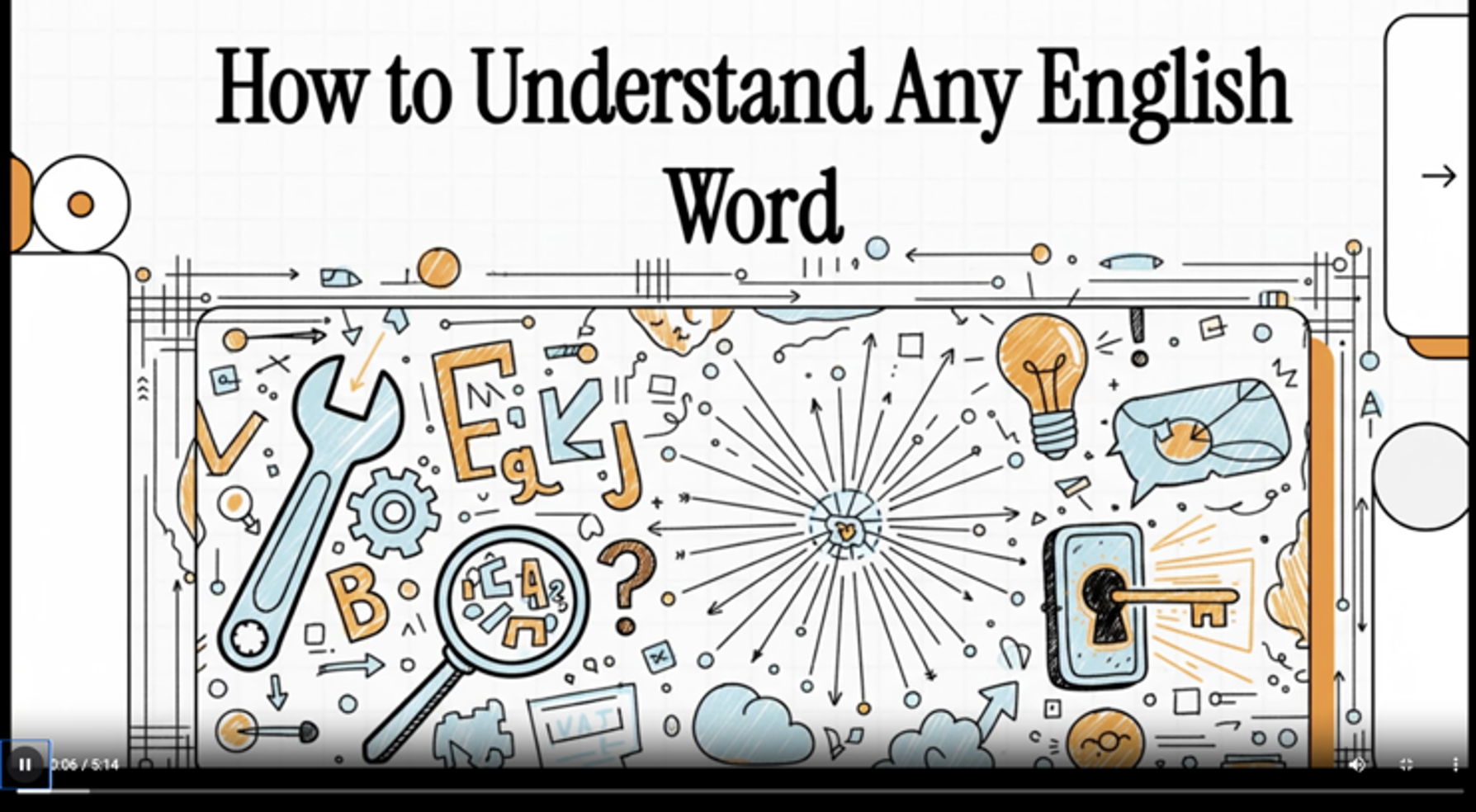
Figure 3. Video overview feature presenting slide-based instructional summaries
Audio Overview
Figure 4 shows the ‘audio overview’, which enables NotebookLM to produce auditory summaries of instructional materials. This option offers multiple audio formats, including conversational and monologic summaries that resemble podcast-style presentations. Users can also adjust playback speed to accommodate different listening proficiency levels.
Exposure to native-like pronunciation and intonation makes this feature particularly relevant for language learning, especially for listening practice. Research in language pedagogy emphasises that providing students with exposure to varied audio input including different voices and speeds is essential for developing effective listening skills and ensuring materials are appropriate for their specific proficiency level (Harmer, 2001).
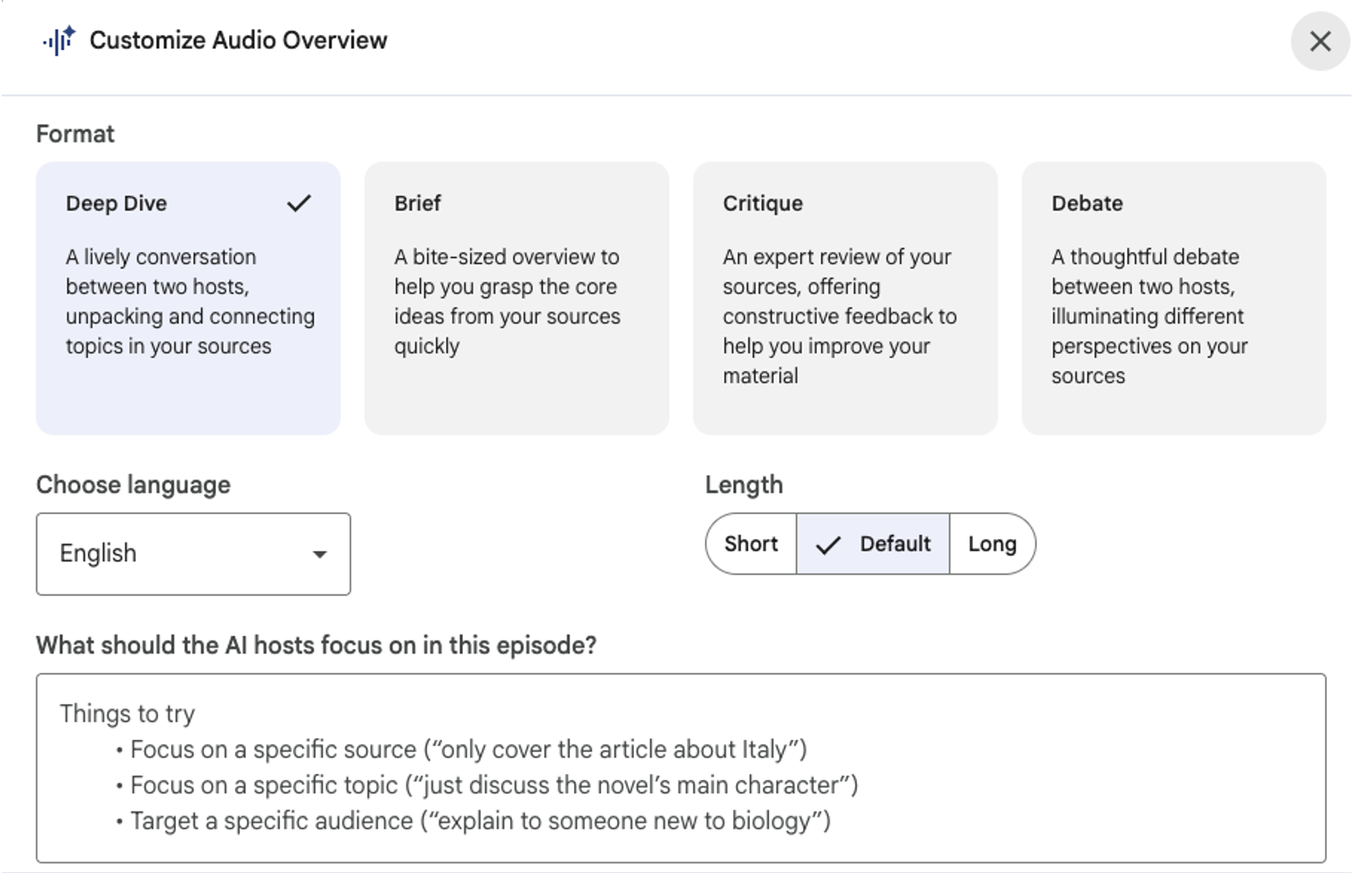
Figure 4. Audio overview formats illustrating different listening modes
Flashcards for Active Recall
The ‘flashcards’ enables language teachers to automatically generate prompt–answer pairs from uploaded materials. Flashcards are presented one at a time in a focused layout designed to minimize distraction, as illustrated in Figure 5,. Teachers can customize both the number of cards and the level of difficulty, while students can use the cards for independent review.
Immediate feedback in this digital format plays a critical role in language learning by reinforcing the connection between form and meaning. Using flashcards facilitates retrieval practice, which can be significantly more effective for long-term memory retention than simple repetitive viewing (Nation, 2013). Also, the instant confirmation of answers provided by the tool supports error correction and strengthens the learner’s lexical knowledge through active mental engagement.
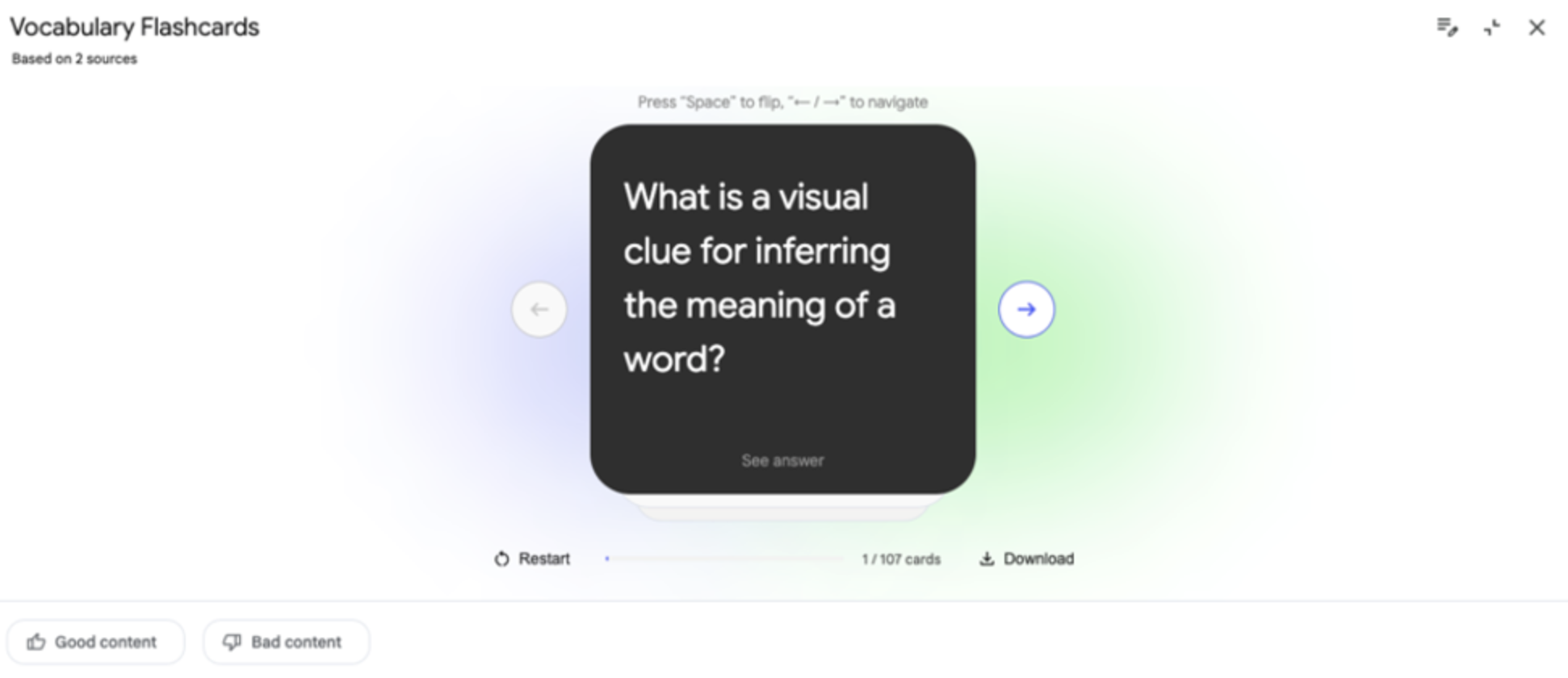
Figure 5. Flashcards feature supporting active recall practice
Quiz
‘Quiz’ enables teachers to create formative assessments based on their uploaded instructional materials. As can be seen in Figure 6, quizzes can be customized in terms of difficulty level, number of items, and instructional focus. The system provides immediate feedback for each response, explaining why an answer is correct or incorrect. This immediate metalinguistic feedback plays a critical role in language learning by providing formative support that helps learners notice their gaps and understand the underlying linguistic rules (Shute, 2008)
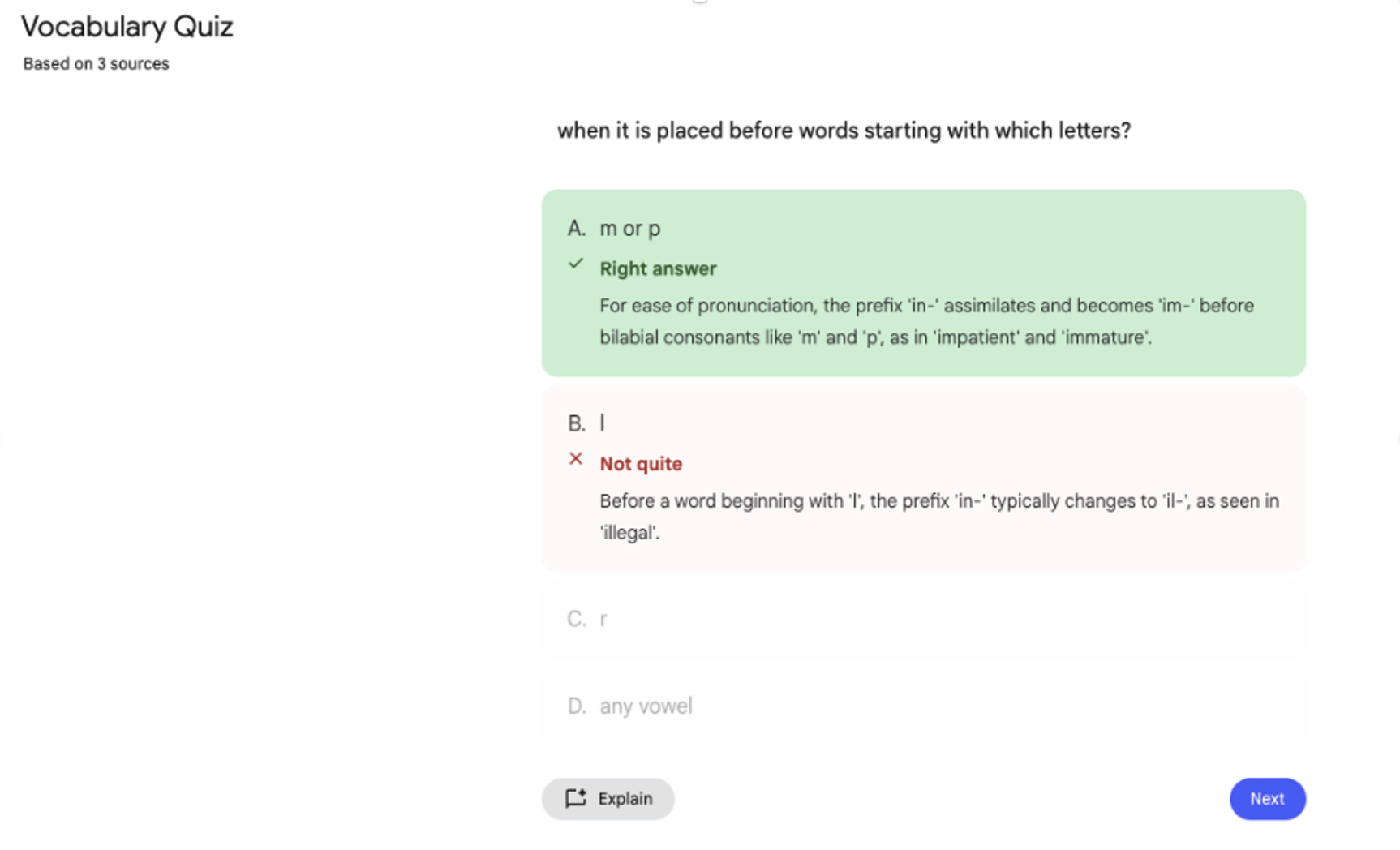
Figure 6. Automatically generated quiz with immediate feedback
Output Constraints and Limitations
Despite its pedagogical affordances, NotebookLM has several limitations. Some generated outputs such as quizzes and flashcards cannot be exported while retaining their interactivity (Figure 7). This means teachers must complete these activities within the platform rather than using them offline or in learning management systems. In addition, without clear instructional prompts, some generated materials may be overly general or exceed learners’ proficiency levels. These limitations underscore the significance of effective prompts based on pedagogical needs to ensure that the tool can be used effectively and appropriately.
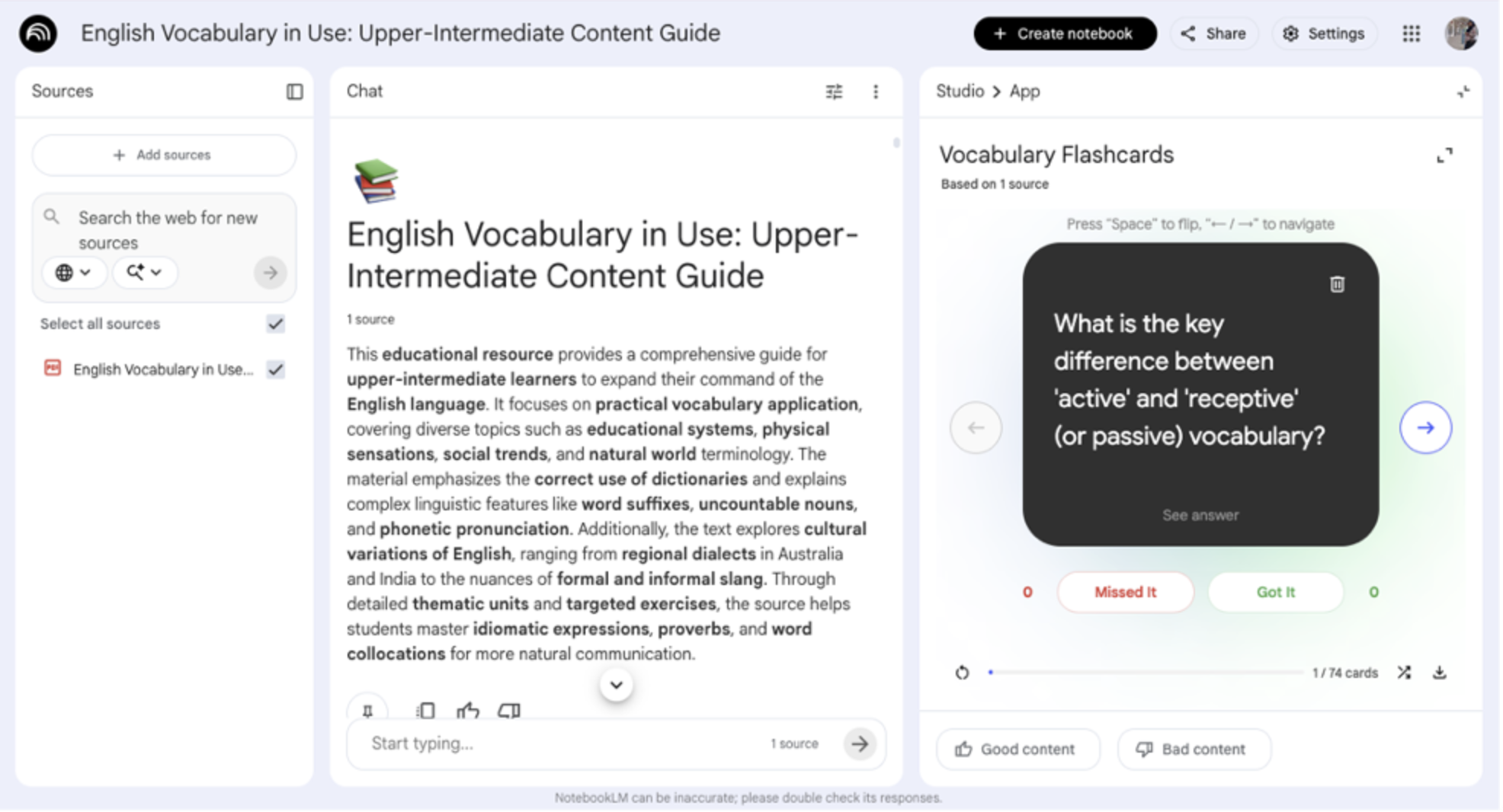
Figure 7. Example illustrating output limitations and export constraints
Evaluation
Overall, NotebookLM can be evaluated as a pedagogically promising tool for English language teaching. One of its key strengths lies in its support for differentiated instruction through the provision of multiple learning modalities, including audio, video, and flashcards, which can be aligned with learners’ readiness levels, interests, and learning profiles (Tomlinson & Imbeau, 2023). When integrated with clearly defined instructional objectives, these features have the potential to foster inclusive and adaptive language learning environments. In addition, the technology support for multiple languages allows learners to interact with the tool using their first language when necessary, thereby facilitating comprehension, particularly at lower proficiency levels.
Compared to other generative AI chatbots, such as ChatGPT, NotebookLM’s primary pedagogical advantage lies in its reduced risk of hallucinated responses, as all outputs are generated exclusively from user-uploaded reference materials. This design enhances instructional reliability and may help ensure that learners engage with content aligned with course materials. Viewed through a sociocultural perspective (Bitchener & Ferris, 2012), NotebookLM may function as a more knowledgeable other (MKO), enabling learners to benefit from guided interaction and instructional support. Its capacity to adjust the linguistic complexity of its output according to learners’ proficiency levels further indicates its potential to provide appropriate scaffolding within learners’ Zone of Proximal Development (ZPD).
From a practical instructional perspective, we believe that NotebookLM can offer substantial value in supporting English language teaching practices. For example, as non-native speakers of English, we found that the video and audio summaries have native-like pronunciation. With this tool, teachers can design automated assessment tools, including quizzes and flashcards. Based on our instructional experience, one of us generated a video summary for a grammar lesson, which students perceived as highly authentic due to its realistic pronunciation and visually engaging presentation style resembling an interactive slide deck. Similar perceptions were reported for the audio overview, which was consistently described as having native-like accents. In a beginner-level reading class, our students expressed a preference for dialogue-based formats, such as ‘deep dive’ and ‘debate’, noting that interactions between two native-like speakers made the content more engaging and easier to understand. These features may enhance instructional efficiency while maintaining pedagogical quality, particularly in classrooms with diverse learner needs and limited instructional time.
From the learners’ perspective, NotebookLM may function as a personalized learning support tool in language learning contexts. Learners’ perceptions of native-like pronunciation in the audio and video outputs contribute to a sense of authenticity during interaction, which has been shown to positively influence learner engagement (Egbert et al., 2021). Furthermore, teachers’ ability to regulate the level of material difficulty allows learners to access comprehensible input appropriate to their proficiency levels, an essential condition for effective language acquisition (Ellis, 2008).
Conclusion
In conclusion, this media review shows that NotebookLM has the potential to support English language teaching and learning when used with clear instructional goals. By relying only on teacher-provided materials, the tool helps reduce common problems associated with generative AI, such as hallucination and unreliable information. Its multimodal features and adjustable language level also allow teachers to address different learner needs. Although effective use still depends on careful pedagogical planning, NotebookLM can be considered a supportive instructional tool rather than a replacement for teachers in English language classrooms.
About the Reviewers
Suryani Jihad is an English lecturer at the English Education Department of the Faculty of Education and Teacher Training, Institut ‘Aisyiyah Sulawesi Selatan, Indonesia. Her research interests include TEFL, CALL, educational administration, and public policy. <suryanijihad@inass.ac.id> ORCID ID: 0000-0002-9889-6751
Hardiani Ardin is an English lecturer at the English Education Department of the Faculty of Education and Teacher Training, Institut ‘Aisyiyah Sulawesi Selatan, Indonesia. Her research interests include applied linguistics; teaching and learning practices, particularly online learning, student engagement, and second language acquisition. <hardianiardin@inass.ac.id> ORCID ID: 0009-0002-3268-3531
Sri Mulyani is an English lecturer at the English Education Department of the Faculty of Education and Teacher Training, Institut ‘Aisyiyah Sulawesi Selatan, Indonesia. Her research interests include English teaching and learning, English assessment and evaluation, and character education. <srimulyani@inass.ac.id> ORCID ID: 0009-0003-6463-7801
To Cite this Article
Jihad, S., Ardin, H., Mu1yani, S. (2026). NotebookLM. Teaching English as a Second Language Electronic Journal (TESL-EJ), 30(2). https://doi.org/10.55593/ej.30118m1
References
Algozzine, B., & Anderson, K. M. (2007). Tips for teaching: Differentiating instruction to include all students. Preventing School Failure: Alternative Education for Children and Youth, 51(3), 49–54. https://doi.org/10.3200/PSFL.51.3.49-54,
Alisoy, H. (2025). Can NotebookLM support English language learners? A theoretical perspective on AI tools in education. Porta Universorum, 1(6), 25–55. https://doi.org/10.69760/portuni.0106003
Alkaissi, H., & McFarlane, S. I. (2023). Artificial hallucinations in ChatGPT: implications in scientific writing. Cureus, 15(2), e35179. https://doi.org/10.7759/cureus.35179
Bitchener, J., & Ferris, D. (2012). Written corrective feedback in second language acquisition and writing (1st ed.). Routledge. https://doi.org/10.4324/9780203832400
Chapelle, C. A. (2005). Interactionist SLA theory in CALL research. In J. Egbert & G. Petrie (Eds.), CALL research perspectives (pp. 53–64). Routledge.
Egbert, J. L., Shahrokni, S. A., Zhang, X., Abobaker, R., Bantawtook, P., He, H., Bekar, M., Roe, M. F., & Huh, K. (2021). Language task engagement: An evidence-based model. TESL-EJ, 24(4), 1–34. https://eric.ed.gov/?id=EJ1288722
Ellis, R. (2008). The study of second language acquisition (2nd ed.). Oxford University Press.
Harmer, J. (2001). The practice of English language teaching (3rd ed.). Longman.
Kocoń, J., Cichecki, I., Kaszyca, O., Kochanek, M., Szydło, D., Baran, J., Bielaniewicz J, Gruza M, Janz A, Kanclerz K, Kocoń A. (2023). ChatGPT: Jack of all trades, master of none. Information fusion, 99, 101861. https://doi.org/10.1016/j.inffus.2023.101861
NotebookLM. (2025). NotebookLM. https://notebooklm.google.com/
Shute, V. J. (2008). Focus on formative feedback. Review of Educational Research, 78(1), 153–189. https://doi.org/10.3102/0034654307313795
Tajik, O., Noor, S., & Golzar, J. (2024). Investigating differentiated instruction and the contributing factors to cater EFL students’ needs at the collegial level. Asian-Pacific Journal of Second and Foreign Language Education, 9(1), 74. https://doi.org/10.1186/s40862-024-00299-5
Tomlinson, C. A. (2014). The differentiated classroom: Responding to the needs of all learners (2nd ed.). ASCD.
Tomlinson, C. A., & Imbeau, M. B. (2023). Leading and managing a differentiated classroom. ASCD.
Walters, W. H., & Wilder, E. I. (2023). Fabrication and errors in the bibliographic citations generated by ChatGPT. Scientific Reports, 13(1), 14045. https://doi.org/10.1038/s41598-023-41032-5
| © Copyright rests with authors. Please cite TESL-EJ appropriately. Editor’s Note: The HTML version contains no page numbers. Please use the PDF version of this article for citations. |