

August 2026 – Volume 30, Number 2
https://doi.org/10.55593/ej.30118a8
Ali Aaj
Department of English, Science and Research Branch, Islamic Azad University, Tehran, Iran
<ali.aaj iau.ir>
Abstract
This study explored the effect of the Jigsaw technique, a Cooperative Learning strategy, on the autonomy of English-as-a-Foreign-Language (EFL) learners in homogeneous and heterogeneous groups. Fifty-three adult learners completed a language proficiency test and were grouped based on their scores. Homogeneous groups consisted of average-achieving learners, while heterogeneous groups included both high- and low-achievers. A validated questionnaire measured participants’ autonomy prior to the intervention. Learners then engaged with fifteen reading passages designed using the Jigsaw technique over a period of five weeks. At the end of the treatment, the same questionnaire was administered to assess changes in autonomy. Two paired-samples t-tests and an analysis of covariance (ANCOVA) were used to analyze the quantitative data. Additionally, semi-structured interviews were conducted to collect qualitative data. The results showed that the Jigsaw technique significantly improved learner autonomy in both group types. However, no significant difference was found between homogeneous and heterogeneous groups. The qualitative findings also indicated that learners viewed the Jigsaw technique positively as a means of fostering autonomy. These findings suggest that the Jigsaw strategy can be effectively implemented in EFL contexts to support the development of learner autonomy, regardless of grouping arrangement.
Keywords: cooperative learning; heterogeneous grouping; homogeneous grouping; Jigsaw; learner autonomy
With the advent of communicative language teaching (CLT) and its emphasis on communication processes rather than solely on outcomes, learners’ roles as active agents in their own learning have gained increased recognition (Richards & Rodgers, 2014). Murray (2014) notes that the pedagogical shift toward more communicative, learner-centered education aligns with sociocultural theory (SCT), originally proposed by Vygotsky (1978, 1986). This perspective has led researchers, including Little (2004, 2007), to examine learner autonomy through a sociocultural lens, highlighting its interaction with collaborative groupwork in language learning (Murray, 2014). Contemporary approaches to English language teaching, such as communicative, task-based, and cooperative learning, increasingly incorporate groupwork as central to effective instruction (Palfreyman, 2018).
In formal educational settings, Little (1995) asserted that “genuinely successful learners have always been autonomous” (p. 175), emphasizing the enduring importance of autonomy. Similarly, Littlewood (1996) described cultivating autonomous learners, those capable of thinking and acting independently, as “the over-arching goal of all [italics in original] teaching” (p. 428). More recently, Benson (2011) and Murray (2014) have argued that autonomy should be understood not only as an individual capacity but also as socially mediated and context-dependent, particularly in classroom interactions.
Despite this, learners in many EFL contexts remain heavily reliant on their teachers, reflecting entrenched teacher-centered traditions. For instance, Alrabai (2021) found that Saudi EFL learners often experience anxiety, low motivation, and dependence on teacher authority, with limited opportunities to develop self-regulation or self-directed learning. Such conditions can hinder the development of autonomy and responsibility, which are essential for long-term language learning success. Consequently, it is essential to explore practical strategies that language teachers can implement in order to promote and nurture greater learner autonomy among L2 students.
Jacobs and Farrell (2001) argued that cooperative learning encourages peer interaction, reduces reliance on the teacher, and promotes learners’ responsibility for their own learning. Gillies (2016) supports this view, noting that structured cooperative activities enhance collaboration while shifting learning responsibility from teacher to students. Likewise, Johnson et al. (2007) emphasize that cooperative learning fosters positive interdependence, requiring students to engage with and support one another, fostering both peer accountability and learner autonomy. However, as Palfreyman (2018) observes, the belief that groupwork promotes autonomy has often relied more on pedagogical intuition than on robust empirical evidence, and the specific mechanisms linking groupwork to autonomy remain underexplored.
Given the preceding discussion and the recognized need for more research on the relationship between groupwork and learner autonomy (Palfreyman, 2018), the present study aimed to investigate this connection empirically. Its primary purpose was to examine the impact of the Jigsaw technique (Aronson et al., 1978) on the autonomy of EFL learners. As a cooperative learning strategy, Jigsaw requires learners to rely on one another to achieve shared academic goals, potentially fostering autonomous learning behaviors. While increased independence from the teacher is often seen as a marker of autonomy (Palfreyman, 2003), autonomy is not always synonymous with independence. Benson (2008) emphasizes that learners can express autonomy even under teacher guidance, provided their participation is volitional. Accordingly, the study hypothesized that implementing the Jigsaw technique in L2 classrooms would enhance learner autonomy by promoting collaborative engagement, volitional participation, and opportunities for greater responsibility.
The study also addressed a secondary objective regarding group composition in cooperative learning settings. Grouping has long been a pedagogical challenge, particularly when choosing between homogeneous and heterogeneous structures (Baer, 2003). Although heterogeneous grouping is common, findings are mixed: some studies suggest homogeneous groups benefit high- and average-achieving learners (Baer, 2003; Ghanbari & Abdolrezapour, 2020), while others report advantages for low-achieving learners in heterogeneous groups (Zamani, 2016). Given these conflicting results and the practical importance of grouping decisions, the study examined whether grouping learners by similar proficiency levels affects autonomy differently compared with heterogeneous grouping.
Theoretical Framework
The present study is informed by an integrated theoretical framework combining social interdependence theory, sociocultural perspectives on learning, and contemporary conceptualizations of learner autonomy. Together, these perspectives provide a basis for examining how cooperative learning structures may support the development of autonomy in EFL contexts.
Social interdependence theory (Johnson & Johnson, 2008) posits that learning outcomes are shaped by the way goals are structured among learners. Cooperative tasks characterized by positive interdependence and individual accountability encourage learners to assume responsibility not only for their own learning but also for the success of their peers. The Jigsaw technique operationalizes these principles by assigning each learner an essential role within the group, thereby promoting active participation and shared responsibility.
This perspective is complemented by sociocultural theory (Vygotsky, 1978), which conceptualizes learning as a socially mediated process. Knowledge development occurs through interaction, collaboration, and scaffolded support within the zone of proximal development. From this viewpoint, autonomy does not emerge through isolation but through guided participation in collaborative activity.
Building on these foundations, learner autonomy in the present study is understood as a socially situated capacity (Benson, 2007; Murray, 2014) involving learners’ ability to plan, monitor, and evaluate their learning while gradually shifting reliance from teacher authority toward peer interaction and collaborative resources. Cooperative learning structures such as Jigsaw therefore provide a pedagogical mechanism through which autonomy can be enacted rather than merely encouraged in principle.
Literature Review
Cooperative Learning: From Theory to Classroom Practice
Cooperative learning is widely defined as the instructional use of small groups in which learners work together to maximize both their own learning and that of their peers (Johnson & Johnson, 1994). In the 1960s, competitive and individualistic approaches dominated education, while cooperative learning remained marginal (Johnson & Johnson, 2009). By the early 1970s, research into cooperative methodologies began to gain momentum (Slavin, 1995).
Studies consistently show that cooperative learning enhances achievement across subjects and educational levels (Gillies & Boyle, 2010; Johnson & Johnson, 1994, 2002; Slavin, 1991, 1995, 2011) and promotes positive interpersonal relationships, social cohesion, and academic performance among diverse learners (Cooper & Slavin, 2004; Gillies, 2016; Johnson & Johnson, 1998; Slavin et al., 2003). It also provides advantages over competitive or individualistic approaches, including higher self-esteem and a more positive self-concept (Johnson & Johnson, 2002; Shachar, 2003; Slavin, 1991).
In EFL contexts, cooperative techniques have been shown to foster motivation, engagement, and autonomy, though their effectiveness often depends on cultural and pedagogical conditions (Alrabai, 2021; Fakhri Alamdari & Ghani, 2022; Ghanbari & Abdolrezapour, 2020; Habiburrahman & Dwinalida, 2024; Zamani, 2016). Despite this promise, empirical research in EFL settings remains relatively limited. For instance, Fakhri Alamdari and Ghani (2022) found that cooperative learning enhanced both intrinsic and extrinsic motivation among Iranian learners, but also noted cultural constraints that complicate implementation, highlighting the importance of context-sensitive approaches that bridge theory and practice.
Building on this point, Habiburrahman and Dwinalida (2024) investigated cooperative learning in an Indonesian EFL setting and found that students responded most positively to group configurations that encouraged balanced interaction and equitable participation. Techniques such as Jigsaw and STAD improved comprehension and motivation, but their success depended largely on teachers’ ability to manage group dynamics and tailor tasks to learners’ needs. These findings reinforce the value of contextually grounded cooperative learning practices in diverse EFL classrooms.
Reframing Learner Autonomy
Learner autonomy has become a central concern in educational research, with extensive studies addressing both its theoretical foundations and classroom applications (Chik et al., 2018; Chong & Reinders, 2025; Lamb & Reinders, 2008; Murray, 2014). Holec’s (1981) seminal definition of autonomy as “the ability to take charge of one’s own learning” (p. 3) remains foundational, though it is often interpreted in ways that overlook contextual factors such as learner readiness, institutional constraints, and sociocultural influences (Benson, 2007).
From the 1990s onward, researchers have explored ways to cultivate autonomy within structured classrooms (Benson, 2007). A growing body of work highlights how autonomy can be fostered through peer collaboration, negotiated decision-making, and distributed responsibility (Hart, 2002; Miller, 2006; Palfreyman, 2018; Thomson, 1998). Alrabai (2021) found that teaching practices supporting learner agency significantly enhance engagement by fostering students’ sense of choice and responsibility. Although framed within self-determination theory, which emphasizes volition, these findings complement broader perspectives that highlight the socially mediated dimensions of autonomy (Benson, 2007; Murray, 2014). Both viewpoints underscore the value of learning environments that enable learners to exercise meaningful agency.
Benson (2011) notes that learner autonomy was initially viewed as requiring substantial pedagogical change but has increasingly become integrated into mainstream language teaching practices. Nevertheless, tensions persist between promoting learner agency and the constraints of standardized education, particularly in EFL contexts, where learners often value autonomy in principle but report only moderate levels of autonomous behavior (Tuan, 2021). Addressing these challenges, Chong and Reinders (2025) reviewed 61 empirical studies and highlighted conceptual ambiguities and limited methodological diversity in autonomy research, calling for clearer theoretical grounding and context-sensitive inquiry that accounts for its socially mediated dimensions. The present study responds to this need by adopting a peer-oriented conceptualization of autonomy, defined as learners’ capacity to take responsibility for their learning while gradually shifting reliance from the teacher toward peers and collaborative resources. This includes planning, monitoring, and evaluating progress while drawing on social support when needed (Benson, 2007; Murray, 2014).
Bridging Autonomy and Cooperation
At first glance, learner autonomy and cooperative learning may seem conceptually distinct. Autonomy emphasizes learners’ capacity to take responsibility for their learning, while cooperative learning focuses on collective interaction and shared experiences. Despite this apparent contrast, autonomy and cooperation can be mutually reinforcing. As Kohonen (1992) noted, autonomy should not be equated with isolated self-reliance, just as cooperation should not be misunderstood as fostering dependency.
Pedagogical frameworks that promote cooperation can enhance the socially mediated dimensions of autonomy in language learning (Murray, 2014). One foundational principle, outlined by Dishon and O’Leary (1984), is group autonomy. Cooperative learning environments provide structured opportunities for learners to make decisions and solve problems collaboratively, fostering responsibility among group members and supporting interdependence.
Collaboration among peers can support the gradual development of learner independence from the teacher (Jacobs & Farrell, 2001). Through regular peer interaction, learners encounter diverse perspectives, strategies, and feedback, contributing to a more autonomous learning process. Wellman (2003) expanded this idea with the concept of collective autonomy, suggesting that autonomy can also reside in the group as a cohesive unit: autonomy “exists when the group as a whole, rather than the individuals within the group, stands in the privileged position of dominion over the affairs of the group” (p. 273). This aligns with Murray (2014), who conceptualizes autonomy in language learning as socially constructed and enacted through peer interaction and collaborative engagement. Together, these perspectives emphasize that learner autonomy emerges not only from individual effort but also from shared responsibility and social interdependence in cooperative learning contexts.
Building on this conceptualization, learner autonomy was measured as participants’ self-reported control over planning, monitoring, and evaluating their learning, using the learner autonomy questionnaire developed by Zhang and Li (2004). Cooperative learning was implemented through the Jigsaw technique (Aronson et al., 1978), in which learners collaboratively processed reading tasks by teaching and learning from peers in structured group formats. This design allowed the study to examine how Jigsaw tasks foster both individual and collective autonomous behaviors among EFL learners.
Research Questions
Despite the growing body of research that highlights the educational benefits of cooperative learning, particularly in enhancing academic performance, relatively little attention has been devoted to examining its potential impact on EFL learners’ autonomy (Palfreyman, 2018). Most studies have focused on achievement-related outcomes and have seldom explored how cooperative learning strategies might contribute to fostering independent learning behaviors among language learners. Furthermore, the assumed superiority of heterogeneous grouping in cooperative learning is often taken for granted by practitioners and researchers. This perception may have contributed to a relative lack of research systematically comparing heterogeneous and homogeneous groupings in terms of their effects on learner autonomy. To address these issues, the present study was guided by the following research questions:
- Does implementing the Jigsaw technique have any statistically significant effect on EFL learners’ autonomy?
- When implementing the Jigsaw technique, does working in a homogeneous group (comprising peers with similar general language proficiency) or a heterogeneous group (comprising peers with differing general language proficiency) result in different levels of learner autonomy?
Method
Design
The present study adopted a two-group pretest–treatment–posttest design. The Jigsaw technique served as the instructional intervention, and its effects were examined by comparing learners’ autonomy scores obtained before and after the treatment. The Jigsaw technique was selected as the instructional intervention because its structured cooperative format requires learners to assume responsibility for learning and teaching content to peers, thereby operationalizing learner autonomy as collaborative responsibility and reduced dependence on teacher direction (Aronson et al., 1978; Johnson & Johnson, 2009; Murray, 2014).
Because participants were drawn from intact classes at the language center, random individual assignment was not feasible. Rather than assigning entire classes to separate conditions, cooperative groups were formed within each class to represent two grouping configurations: homogeneous groups composed primarily of average-achieving learners and heterogeneous groups combining high- and low-achieving learners. This procedure enabled examination of the influence of group composition on autonomy development following the Jigsaw intervention while maintaining consistent instructional conditions and preserving the natural classroom structure.
Participants
The participants consisted of 53 English as a Foreign Language (EFL) learners aged between 17 and 28 years, recruited from five intact classes at a private language center in Tehran, Iran. The sample included 33 female and 20 male learners. All learners were intermediate-level students according to the center’s curriculum and had studied English in formal instructional settings for approximately one year. Classes met three times per week, with each session lasting 90 minutes. All participants were Persian first-language speakers residing in Tehran, and none had previously traveled to or lived in an English-speaking country. Prior to participation, learners provided written informed consent. They were informed that participation was voluntary, that they could withdraw at any time, and that their course grades would not be affected. To reduce potential bias, participants were not informed of the specific research objectives.
Instrumentation
Nelson English language proficiency test. To categorize participants into homogeneous and heterogeneous groups, a version of the Nelson English Language Proficiency Test (300D) was administered prior to the main study. This standardized test consists of 50 multiple-choice items designed to assess learners’ knowledge of vocabulary, grammar, and pronunciation. The selected test has been employed in previous studies and has demonstrated satisfactory reliability (e.g., Parvaresh & Nemati, 2008; Shirinzadeh Aghdam & Farahani, 2012). To ensure its reliability for the current sample, the test was pilot-tested with a separate group of 17 learners who shared similar characteristics with the main participants. Reliability analysis, conducted using Cronbach’s alpha, yielded a coefficient of .79, indicating an acceptable level of internal consistency for the purposes of group classification in the study.
>Learner autonomy questionnaire. Learner autonomy was assessed using a 21-item questionnaire originally developed by Zhang and Li (2004) and later employed by Dafei (2007) in a study of Chinese EFL learners. The instrument, subsequently validated in Iranian contexts (e.g., Haghi, 2009; Shangarffam & Ghazisaeedi, 2013), is designed to capture both behavioral and attitudinal aspects of autonomy. It comprises two parts: (a) 11 items on a five-point Likert scale (never to always) measuring the frequency of autonomous behaviors, and (b) 10 multiple-choice items reflecting learners’ attitudes and beliefs about autonomous learning. Consistent with the present study’s working definition, the questionnaire operationalizes autonomy as learners’ capacity to plan, monitor, and evaluate their learning while drawing on social support when needed (Benson, 2007; Murray, 2014). To ensure reliability, the instrument was pilot-tested with 20 participants comparable to the target sample, yielding a Cronbach’s alpha of .88. The full questionnaire is included in Appendix A.
Interviews. To complement the quantitative data and provide deeper insight into learners’ experiences, semi-structured interviews were conducted after the instructional phase of the study. This qualitative component explored learners’ perceptions of cooperative learning and their engagement with the Jigsaw tasks in both homogeneous and heterogeneous group settings. The interviews thus served the dual purpose of examining participants’ general attitudes toward cooperative learning and capturing their specific experiences with the Jigsaw technique. The inclusion of interviews was also informed by Gunderson and Johnson (1980), who highlighted the importance of both teachers’ methods of organizing group activities and students’ responses to those experiences.
A table of random numbers was used to select ten participants for individual interviews. To ensure participants could express their thoughts freely and without linguistic constraints, all interviews were conducted in Persian. The interviews were audio-recorded, transcribed, and subsequently translated into English by the researcher. Each interview followed a semi-structured format, with guiding questions prepared in advance and adapted flexibly based on the flow of conversation, allowing for follow-up or clarification when necessary (Ary et al., 2010). The interview questions were reviewed by two experts in the field of English language teaching to ensure clarity and relevance, and revisions were made based on their feedback to enhance content validity.
All interviews were conducted solely by the researcher, who also transcribed, translated, and analyzed the data. Although formal coding procedures or inter-rater reliability measures were not employed, the transcripts were reviewed systematically to identify recurring perceptions and salient comments related to learner autonomy and cooperative learning. The interview data were analyzed using a qualitative descriptive approach, with the aim of providing contextualized insights that complemented and helped interpret the quantitative findings rather than generating formal thematic categories. A copy of the interview questions is provided in Appendix B.
Jigsaw Task Design and Implementation
Fifteen reading passages were selected from Well Read: Skills and Strategies for Reading (Blass & Bliss, 2008) and English Result: Intermediate (Hancock & McDonald, 2009). Two experienced English instructors evaluated the passages to ensure appropriate linguistic difficulty and suitability for cooperative task implementation. Texts considered excessively complex or unsuitable for meaningful division into interdependent segments were excluded.
The instructional treatment followed the Jigsaw procedure outlined by Aronson et al. (1978). Each reading passage was divided into four segments (A, B, C, and D). Within each group, learners were assigned different segments and initially worked in expert groups with peers responsible for the same section. In these expert groups, learners collaborated to understand their assigned material before returning to their original groups to teach the content to their peers. This structure required learners to rely on one another to reconstruct the complete text.
After peer teaching, learners completed individual comprehension questions based on the entire passage, ensuring both individual accountability and positive interdependence among group members. Prior to the intervention, the researcher introduced the Jigsaw procedure and clarified task expectations to ensure a shared understanding of roles and responsibilities.
During the activities, the teacher adopted a facilitative role, monitoring group interaction and providing guidance only when necessary rather than delivering direct instruction. The same instructional procedure was implemented consistently across 15 sessions, each including one Jigsaw reading task lasting approximately 30 minutes. Table 1 summarizes the main stages of the Jigsaw task cycle implemented in each session.
Table 1. Jigsaw Task Flow (per session)
| Stage | Description | Time Allocated |
| Topic Introduction | Brief teacher-led overview of reading topic | 5 mins |
| Expert Group Discussion | Learners read and discuss assigned section | 10–12 mins |
| Peer Teaching | Learners return to original groups to explain their section | 10–12 mins |
| Comprehension Check | Individual response to comprehension questions | 5 mins |
Procedure
The study began with the administration of the Nelson English Language Proficiency Test to all participants. For each class, the mean score was calculated, and scores were categorized based on their distance from the mean. Learners whose scores fell within one standard deviation above or below the mean were designated as average-achievers and formed the homogeneous groups. The remaining learners, those scoring significantly above or below the mean, were paired to form the heterogeneous groups, which included both high- and low-achievers. This procedure ensured that each class contained both homogeneous and heterogeneous groups for comparison. Table 2 summarizes how participants were assigned to homogeneous and heterogeneous groups based on their performance on the Nelson English Language Proficiency Test. Most groups consisted of four members.
To allow for accurate tracking and data analysis, each participant was assigned a unique identifying number. To reduce teacher-related variability, all five classes were taught by the researcher. The instruction was delivered over the course of 15 sessions, with each session featuring a single Jigsaw task lasting approximately 30 minutes. Data were collected throughout a five-week period. At the conclusion of the study, the same learner autonomy questionnaire used in the pretest was administered again as a posttest, and the results were compared to identify any changes.
Table 2. Grouping Structure
| Group Type | Proficiency Level Composition | Number of Groups |
Typical Group Size |
Total Participants |
| Homogeneous Groups | Average-achieving learners only | 6 | 4-5 | 26 |
| Heterogeneous Groups | Mix of high- and low-achieving learners | 6 | 4–5 | 27 |
Data Collection and Analysis
The quantitative data were analyzed using paired-samples t-tests and analysis of covariance (ANCOVA). Paired-samples t-tests were used to examine within-group changes in learner autonomy from pretest to posttest. ANCOVA was conducted to assess between-group differences while controlling for potential differences in pre-existing autonomy levels. Prior to conducting these analyses, all statistical assumptions were tested and met. These included the assumptions of normality, homogeneity of variance, and homogeneity of regression slopes. The assumption of normality was assessed using the Shapiro-Wilk test, which confirmed that the data were normally distributed (p > .05) (see Table 3).
In addition to the quantitative analysis, interview data were used to provide supplementary insights into learners’ perceptions of cooperative learning and their experiences with the Jigsaw tasks. Although no formal coding procedures were employed, the transcripts were reviewed carefully to identify recurring ideas and notable comments regarding group dynamics, learner autonomy, and participants’ attitudes toward the Jigsaw tasks. These qualitative data were used to enrich and contextualize the interpretation of the quantitative findings.
Results
Quantitative Findings
To address the first research question, learners’ autonomy scores before and after the Jigsaw intervention were compared within each grouping condition. Descriptive statistics indicated increases in autonomy scores for both homogeneous and heterogeneous groups (Table 3), a pattern also illustrated in Figure 1. Paired-samples t-tests confirmed that these gains were statistically significant in both conditions. Learners in homogeneous groups demonstrated a substantial increase in autonomy, t(25) = -8.80, p < .001, d = 1.55, while learners in heterogeneous groups also showed significant improvement, t(26) = -3.85, p < .001, d = 0.79. According to Cohen’s (1988) benchmarks, both represent large effects, indicating that participation in Jigsaw tasks was associated with meaningful improvements in learner autonomy.
Table 3. Descriptive Statistics and Paired-Samples t-Test Results for Study Variables
| Group | Pretest | Posttest | ||||||
| M | SD | M | SD | t | df | p | d | |
| Homogeneous (n = 26) | 63.80 | 4.49 | 70.73 | 6.12 | -8.80 | 25 | < .001 | 1.55 |
| Heterogeneous (n = 27) | 64.51 | 5.40 | 69.11 | 5.86 | -3.85 | 26 | .001 | 0.79 |
Note. M = mean; SD = standard deviation; t = t-value; df = degrees of freedom; p = p-value; d = Cohen’s d.
Table 4. Tests of Normality (Shapiro-Wilk)
| Group | Statistic | df | Sig. |
| Pretest | |||
| Homogeneous | .975 | 26 | .756 |
| Heterogeneous | .970 | 27 | .607 |
| Posttest | |||
| Homogeneous | .972 | 26 | .665 |
| Heterogeneous | .956 | 27 | .295 |
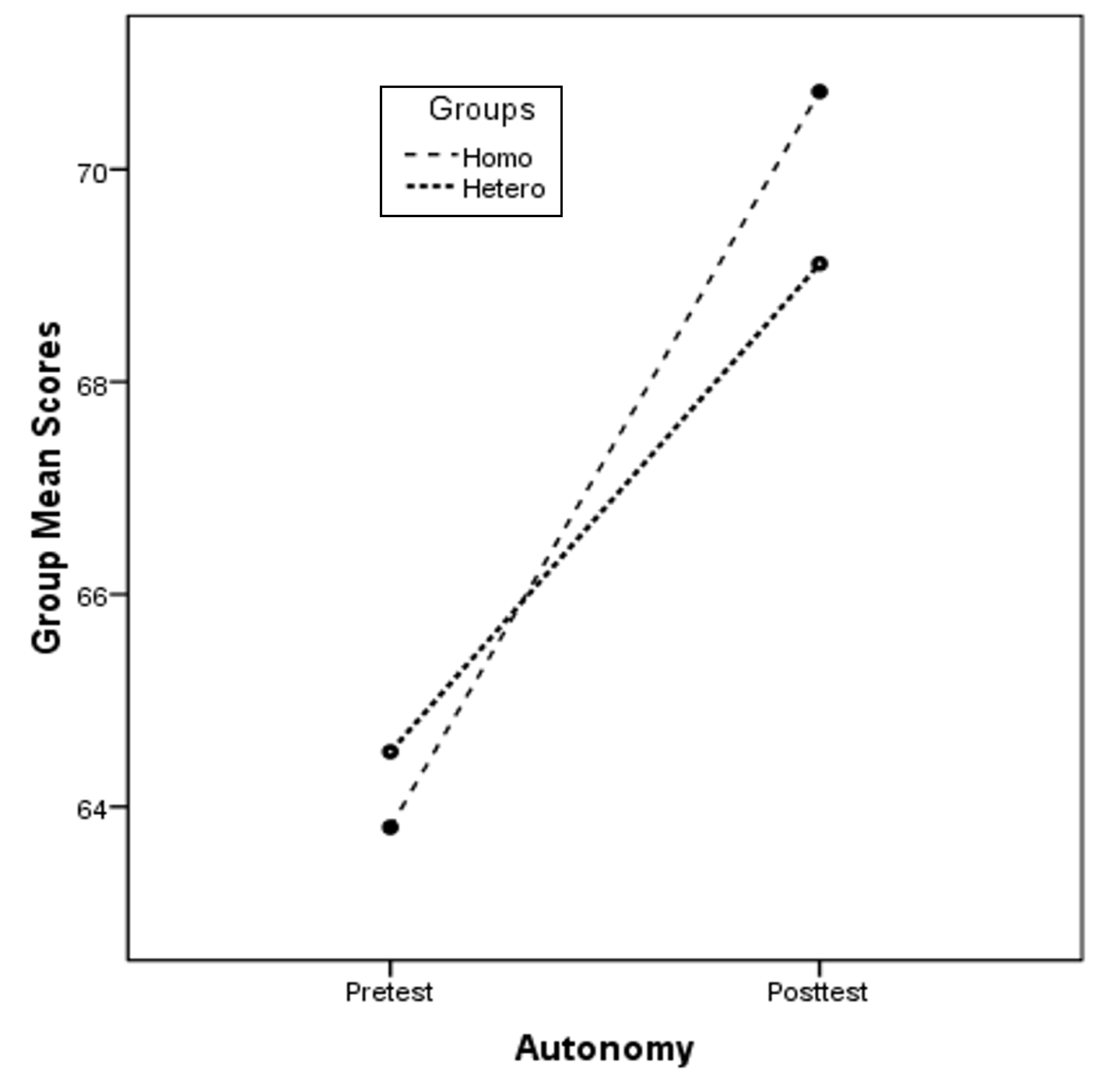
Figure 1. Mean learner autonomy scores before and after the Jigsaw
intervention in homogeneous and heterogeneous groups.
Prior to conducting the between-group analysis, statistical assumptions were examined. Tests of normality confirmed that autonomy scores were normally distributed across groups (Table 4). To address the second research question concerning the influence of group composition, an ANCOVA was conducted comparing posttest autonomy scores while controlling for pretest scores as a covariate. Assumption checks indicated homogeneity of variance and regression slopes. The ANCOVA results (Table 5) revealed no statistically significant difference between homogeneous and heterogeneous groups, F(1, 50) = 2.40, p = .128, partial η² = .046. Although adjusted posttest means were slightly higher for the homogeneous group, as shown in Table 6, the small effect size suggests that proficiency grouping accounted for only a limited proportion of variance in autonomy outcomes.
Taken together, these results indicate that the Jigsaw technique contributed to increased learner autonomy across both grouping conditions, while differences between homogeneous and heterogeneous group structures were not statistically meaningful.
Table 5. Tests of Between-Subjects Effects (ANCOVA)
| Source | Type III Sum of Squares |
df | Mean Square |
F | Sig. | Partial η² |
| Corrected Model | 529.02 | 2 | 264.51 | 11.688 | < .001 | .319 |
| Intercept | 386.64 | 1 | 386.64 | 17.085 | < .001 | .255 |
| Autonomy Pretest | 494.27 | 1 | 494.27 | 21.842 | < .001 | .304 |
| Group | 54.34 | 1 | 54.34 | 2.401 | .128 | .046 |
| Error | 1131.505 | 50 | 22.63 | |||
| Total | 260661.00 | 53 | ||||
| Corrected Total | 1660.52 | 52 |
Note: R² = .319, Adjusted R² = .291
Table 6. Adjusted Data for the Autonomy Posttest Scores
| Groups | M | SE | 95% CI | |
| Lower Bound | Upper Bound | |||
| Homogeneous | 70.94 | .934 | 69.064 | 72.816 |
| Heterogeneous | 68.91 | .917 | 67.069 | 70.751 |
Note: Covariates appearing in the model are evaluated at the following values: Autonomy Pretest = 64.17.
Qualitative Findings
In addition to the quantitative results, interview data provided further insight into learners’ experiences with Jigsaw tasks. Analysis of the interview transcripts identified four recurring themes: (a) responsibility and accountability, (b) peer scaffolding and challenge, (c) active participation, and (d) the teacher’s facilitative role. These themes help explain how the Jigsaw structure supported the development of learner autonomy.
Responsibility and accountability. Many participants described feeling personally responsible for mastering and teaching their assigned segment. Learners reported that dividing the text increased preparation effort and attentiveness to peers’ explanations. One participant noted that having only one part of the text made them “more motivated to listen to [their] friends to understand the whole passage.” Another learner explained that the task felt “like a test,” encouraging self-monitoring and comparison with teammates. These comments suggest that the Jigsaw structure promoted individual accountability, a key mechanism underlying cooperative learning.
Peer scaffolding and challenge. Experiences in heterogeneous groups were more varied. Some higher-proficiency learners reported difficulties when peers struggled to explain their sections, stating that additional time was sometimes needed to clarify information. At the same time, several lower-proficiency learners valued the opportunity to receive explanations from classmates and participate actively in group learning. These contrasting perceptions indicate that peer interaction simultaneously functioned as a source of support and challenge, reflecting the collaborative negotiation processes inherent in cooperative learning environments.
Active participation. Participants frequently emphasized that the Jigsaw format required all learners to contribute. Even quieter or less confident students became involved because each member held unique information necessary for task completion. One learner commented that “everyone had to talk and explain their part,” regardless of proficiency level. Such responses suggest that the task structure encouraged sustained participation and reduced passive classroom behavior.
Teacher’s facilitative role. Learners consistently characterized the teacher as a guide rather than a dominant authority figure. As one participant explained, the teacher’s role was to “show the right way” while allowing students to solve problems collaboratively. This perception indicates a shift from teacher-centered instruction toward peer-supported learning, supporting the autonomy-oriented goals of the Jigsaw approach.
Overall, the qualitative findings complement the quantitative results by illustrating how structured cooperation fostered responsibility, peer support, and active involvement, thereby contributing to the development of learner autonomy across both grouping conditions.
Discussion
The present study examined the effects of the Jigsaw technique (Aronson et al., 1978) on EFL learners’ autonomy and investigated how ability grouping influenced this process. The t-tests revealed a significant increase in autonomy for both homogeneous and heterogeneous groups. After controlling for pretest scores, however, ANCOVA results showed no significant difference between the groups. This indicates that Jigsaw tasks enhance learner autonomy regardless of proficiency grouping. While the homogeneous group’s adjusted posttest mean score was slightly higher (M = 70.94) than the heterogeneous group’s (M = 68.91), the difference was not statistically significant.
These results support Murphey and Jacobs’ (2000) assertion that “cooperation and learner autonomy make a good match” (p. 13), an idea often based more on intuition than on empirical evidence. In this study, autonomy was defined as learners’ ability to take responsibility for their learning while progressively shifting reliance from the teacher to peers and collaborative resources (Benson, 2007; Murray, 2014). The Jigsaw structure directly operationalized this definition: learners had to master their assigned segment, plan how to teach it, monitor peers’ understanding, and seek or provide guidance as necessary. In doing so, they engaged in collaborative processes that embody autonomy as a socially mediated construct.
This relationship is further explained by Dishon and O’Leary’s (1984) principles of distributed leadership and group autonomy. When each group member assumes leadership responsibilities, participation is more evenly distributed. Likewise, when students solve problems with minimal teacher intervention, they become more autonomous. These principles clarify how the Jigsaw task shifted responsibility from teacher to learners while maintaining cooperative engagement.
The findings are consistent with contemporary perspectives on autonomy as socially mediated and context-dependent (Benson, 2011; Murray, 2014). In teacher-centered EFL settings, such as those described by Alrabai (2021), students often rely heavily on teacher authority. The Jigsaw structure provided a structured opportunity to counter this dependence by shifting responsibility toward peer collaboration, thereby encouraging autonomy in socially embedded ways.
From the perspective of Social Interdependence Theory, as proposed by Johnson and Johnson (2008), the psychological shift from self-interest to mutual interest is central to cooperative learning. In this study, learners demonstrated this transition by moving from working individually to investing in joint efforts and group success. Because each learner contributed a critical part of the overall task, participants became accountable not only for their own progress but also for that of their peers, which reinforced their sense of responsibility and independence.
Autonomy in this context is best understood not as complete independence but as the capacity to make meaningful choices and engage collaboratively within supportive structures. While the Jigsaw model reduces direct teacher control, it does not eliminate teacher support. Instead, it provides a framework in which learners plan, monitor, and evaluate their own and their peers’ learning, exercising responsibility while benefiting from scaffolding when needed (Benson, 2008; Murray, 2014). This interpretation aligns with Alrabai’s (2021) findings that reducing teacher dominance and fostering opportunities for student choice enhance autonomy in EFL contexts.
The results showed no significant difference in autonomy development between homogeneous and heterogeneous groups, highlighting the robustness of the Jigsaw structure in fostering learner autonomy across different proficiency compositions. While homogeneous groups may have benefited from greater cohesion and smoother communication, the accountability, positive interdependence, and structured responsibilities inherent in Jigsaw tasks helped mitigate potential challenges in heterogeneous groups (Johnson & Johnson, 2009). This suggests that the design and structure of cooperative tasks, rather than group composition, are decisive in promoting autonomy, a conclusion supported by previous research in EFL contexts (Habiburrahman & Dwinalida, 2024; Murray, 2014) and consistent with perspectives that view autonomy as socially mediated and context-dependent (Benson, 2011; Murray, 2014).
Pedagogically, these findings indicate that teachers can focus on implementing well-structured cooperative tasks with clear roles and mutual accountability instead of prioritizing group homogeneity or heterogeneity. When interdependence is carefully orchestrated, learners can develop responsibility for both their own and their peers’ learning, demonstrating that autonomy can emerge as a shared, socially supported process (Wellman, 2003). In this way, the Jigsaw technique fosters collaboration, social engagement, and collective autonomy, ensuring that learner independence is nurtured even in mixed-ability settings.
The qualitative results offer further insight. Learners in homogeneous groups described the tasks as motivating and reported strong responsibility for mastering and teaching their segments, reflecting Vygotsky’s (1978) concept of scaffolding within the zone of proximal development (see also Little, 2004). Similar findings are reported by Habiburrahman and Dwinalida (2024), who observed that Jigsaw tasks supported both academic progress and personal growth when learners were held accountable for their contributions. Taken together, this evidence suggests that Jigsaw can satisfy learners’ psychological needs for competence, relatedness, and autonomy, laying the foundation for sustained motivation and self-regulation (Deci & Ryan, 2012).
Reactions in heterogeneous groups were more mixed. Higher-proficiency learners sometimes expressed frustration when lower-proficiency peers struggled, whereas lower-proficiency learners valued the opportunity to contribute. These contrasting views reflect a well-documented challenge in mixed-ability settings, where differences in communicative competence can slow progress and create tension (Ghaith & Bouzeineddine, 2003; Ghanbari & Abdolrezapour, 2020; Slavin, 1995). However, the accountability and interdependence embedded in the Jigsaw procedure appear to have offset these challenges, preventing negative effects on overall autonomy scores.
Finally, several participants emphasized the teacher’s role as a facilitator who guided without dominating. This aligns with Panitz’s (1997) characterization of cooperative learning, in which teachers scaffold and monitor while learners construct knowledge together. Such a role is particularly important in contexts where teacher-centered traditions remain strong (Alrabai, 2021), as it reduces dependence on the teacher while promoting peer-driven learning.
Overall, the findings suggest that Jigsaw tasks support learners’ progressive shift from teacher dependence toward greater autonomy by combining structured cooperation, accountability, and socially mediated engagement. While group composition influenced learners’ experiences, the design of the cooperative task and the teacher’s facilitative role appear to play important roles in fostering autonomous behaviors. These results provide empirical support for the capacity of Jigsaw tasks to promote learner autonomy in EFL contexts and highlight the practical value of well-structured cooperative activities. By demonstrating how task design, peer interdependence, and guided facilitation can collectively support autonomy, this study bridges theoretical perspectives on cooperative learning and autonomy with classroom-based evidence, offering guidance for both researchers and practitioners in language education.
Implications
The present study reinforces the effectiveness of Jigsaw tasks in promoting learner autonomy across different groupings in EFL classrooms and offers practical insights for teachers and curriculum designers. By implementing structured cooperative tasks, educators can create opportunities for learners to take responsibility for their learning while engaging collaboratively, translating empirical findings into actionable classroom strategies (Johnson & Johnson, 2009; Murphey & Jacobs, 2000).
Aligned with prior research on cooperative learning, these findings support the view that such methods enhance learner engagement and help reduce overreliance on the teacher. Even in large, heterogeneous classes where challenges to cooperation often arise, Jigsaw tasks can be implemented effectively to promote autonomy. This insight may encourage educators to incorporate Jigsaw more confidently in their teaching practices.
The findings also have implications for teacher education and curriculum development. Teacher training programs should include hands-on practice with cooperative methods to build instructional competence and confidence. Encouraging novice teachers to experiment with cooperative strategies can foster learner autonomy and support long-term learning habits. Materials developers and textbook designers can facilitate this process by creating tasks that promote shared goals and individual accountability. Structuring activities to allow meaningful division of responsibilities can make techniques like Jigsaw more feasible in diverse classroom contexts.
Beyond practical applications, the study contributes theoretically by demonstrating that structured cooperative learning tasks enhance autonomy through mechanisms supported by multiple frameworks. Specifically, the results provide evidence for Johnson and Johnson’s (2008) social interdependence theory, showing that positive interdependence and accountability promote the shift from self-interest to mutual interest, supporting autonomous engagement. The findings also confirm that autonomy is socially mediated and context-dependent (Benson, 2011; Murray, 2014), particularly in EFL contexts with teacher-centered traditions (Alrabai, 2021). Moreover, peer scaffolding observed in the study aligns with Vygotsky’s (1978) zone of proximal development, illustrating how collaborative engagement facilitates the internalization of self-regulated learning strategies. By showing that task design and peer interaction can outweigh differences in group composition, the study underscores that the structure of cooperative tasks is critical for fostering autonomy, beyond simply grouping learners homogeneously or heterogeneously.
Taken together, these practical and theoretical insights highlight the value of cooperative learning approaches such as Jigsaw for supporting autonomous, motivated, and self-regulated learners. They also offer guidance for teacher training, curriculum design, and the development of instructional strategies that prioritize autonomy in EFL contexts.
Limitations and Future Research
While the findings of this study highlight the potential of Jigsaw tasks in fostering learner autonomy, several limitations should be acknowledged. First, the relatively small sample size, consisting of EFL learners from a single educational institution, limits the generalizability of the results. Since factors such as institutional culture, teaching methodologies, and learner demographics can influence cooperative learning outcomes, future research should incorporate larger, more diverse samples from various instructional settings to determine whether similar autonomy gains are observed.
Second, this study measured the impact of Jigsaw tasks over a relatively short period, focusing on immediate posttest results. While these findings suggest that both homogeneous and heterogeneous grouping structures contribute to increased autonomy, it remains unclear whether these effects are sustained over time. Longitudinal studies tracking learners’ autonomy development across multiple academic terms or proficiency levels could provide valuable insights into the long-term effectiveness of Jigsaw tasks.
Finally, although the study controlled for pretest autonomy scores, other potentially influential factors such as individual motivation, prior experience with cooperative learning, and group dynamics were not explicitly examined. Future research could adopt a mixed-methods approach, incorporating qualitative data from classroom observations or learner reflections to gain a deeper understanding of how these factors interact with Jigsaw tasks. Addressing these areas will help refine our understanding of cooperative learning dynamics and further validate the role of Jigsaw tasks in promoting learner autonomy in EFL contexts.
Conclusion
Language learning increasingly requires learners to assume greater responsibility for their own progress. The present study examined whether the Jigsaw reading technique could support the development of learner autonomy and whether ability grouping influenced this process. The findings demonstrated that participation in Jigsaw tasks significantly enhanced learner autonomy in both homogeneous and heterogeneous groups. After controlling for initial autonomy levels, no statistically significant difference was found between grouping conditions.
These results suggest that the effectiveness of cooperative learning in promoting autonomy lies less in how learners are grouped and more in how tasks are structured. The Jigsaw technique fostered autonomy by creating conditions of individual accountability, peer reliance, and shared responsibility, allowing learners to gradually shift from teacher dependence toward collaborative self-regulation. Qualitative findings further illustrated how learners experienced increased responsibility, active participation, and a facilitative teacher role within this structured cooperative environment.
Although the study was conducted with a relatively small sample from a single instructional context, it provides classroom-based evidence supporting long-standing claims that cooperative learning can promote autonomous learning behaviors. Importantly, the findings indicate that teachers do not need to rely exclusively on specific grouping configurations to foster autonomy. Well-designed cooperative tasks may support autonomy development even in mixed-ability classrooms.
Overall, the study highlights the pedagogical value of Jigsaw reading tasks as a practical means of promoting learner autonomy in EFL settings while reinforcing the view of autonomy as a socially mediated process shaped through interaction, accountability, and guided collaboration.
Acknowledgments
The author would like to express sincere gratitude to Dr. Parviz Maftoon for his valuable guidance, insightful comments, and continuous support throughout this study.
About the Author
Ali Aaj teaches TEFL courses at Islamic Azad University, Science and Research Branch, Tehran, Iran. His research interests include task-based language teaching and learning, second language acquisition, young learners of English, and cooperative learning. His recent publication includes “Do Young EFL Learners Benefit from Task Repetition?” published in The Language Learning Journal (2023). ORCID ID: 0000-0003-4873-8998
To Cite this Article
Aaj, A. (2026). Enhancing EFL learner autonomy through the jigsaw reading task: A comparative study of homogeneous and heterogeneous groups. Teaching English as a Second Language Electronic (TESL-EJ), 30(2). https://doi.org/10.55593/ej.30118a8
References
Alrabai, F. (2021). The influence of autonomy-supportive teaching on EFL students’ classroom autonomy: An experimental intervention. Frontiers in Psychology, 12, 728657. https://doi.org/10.3389/fpsyg.2021.728657
Aronson, E., Blaney, N., Stephan, C., Sikes, J., & Snapp, M. (1978). The jigsaw classroom. Sage.
Ary, D., Jacobs, L. C., Sorensen, K., & Razavieh, A. (2010). Introduction to research in education (8th ed.). Wadsworth Publishing.
Baer, J. (2003). Grouping and achievement in cooperative learning. College Teaching, 51(4), 169–175. https://doi.org/10.1080/87567550309596434
Benson, P. (2007). State-of-the-art article: Autonomy in language teaching and learning. Language Teaching, 40(1), 21–40. https://doi.org/10.1017/s0261444806003958
Benson, P. (2008). Teachers’ and learners’ perspectives on autonomy. In T. Lamb & H. Reinders (Eds.), Learner and teacher autonomy: Concepts, realities and responses (pp. 15–32). John Benjamins. https://doi.org/10.1075/aals.1.05ben
Benson, P. (2011). Teaching and researching autonomy in language learning (2nd ed.). Pearson Education.
Blass, L., & Bliss, L. (2008). Well read: Skills and strategies for reading. Oxford University Press.
Chik, A., Aoki, N., & Smith, R. (2018). Autonomy in language learning and teaching. Palgrave Macmillan.
Chong, S. W., & Reinders, H. (2025). Autonomy of English language learners: A scoping review of research and practice. Language Teaching Research, 29(2), 607–632. https://doi.org/10.1177/13621688221075812
Cohen, J. (1988). Statistical power analysis for the behavioral sciences (2nd ed.). Erlbaum.
Cooper, R., & Slavin, R. E. (2004). Cooperative learning: An instructional strategy to improve intergroup relations. In W. G. Stephan & W. P. Vogt (Eds.), Education programs for improving intergroup relations (pp. 55–70). Teachers College Press.
Dafei, D. (2007). An exploration of the relationship between learner autonomy and English proficiency. Asian EFL Journal, 24(4), 24–34.
Deci, E. L., & Ryan, R. M. (2012). Self-determination theory. In P. A. M. Van Lange, A. W. Kruglanski, & E. T. Higgins (Eds.), Handbook of theories of social psychology (Vol. 1, pp. 416–436). Sage.
Dishon, D., & O’Leary, P. W. (1984). A guidebook for cooperative learning: A technique for creating more effective schools. Learning Publications, Inc.
Fakhri Alamdari, E., & Ghani, F. (2022). Enhancing foreign language motivation through the magic of cooperative learning: Dream or reality? Foreign Language Annals, 55(1), 237–257. https://doi.org/10.1111/flan.12590
Ghaith, G., & Bouzeineddine, A. R. (2003). Relationship between reading attitudes, achievement, and learners’ perceptions of their Jigsaw II cooperative learning experience. Reading Psychology, 24(2), 105–121. https://doi.org/10.1080/02702710308234
Ghanbari, N., & Abdolrezapour, P. (2020). Group composition and learner ability in cooperative learning: A mixed-methods study. TESL-EJ, 24, 1–18.
Gillies, R. M. (2016). Cooperative learning: Review of research and practice. Australian Journal of Teacher Education, 41(3). https://doi.org/10.14221/ajte.2016v41n3.3
Gillies, R. M., & Boyle, M. (2010). Teachers’ reflections on cooperative learning: Issues of implementation. Teaching and Teacher Education, 26(4), 933 940. https://doi.org/10.1016/j.tate.2009.10.034
Gunderson, B., & Johnson, D. (1980). Building positive attitudes by using cooperative learning groups. Foreign Language Annals, 13(1), 39–46. https://doi.org/10.1111/j.1944-9720.1980.tb00739.x
Habiburrahman, M., & Dwinalida, K. (2024). Students’ perception on Jigsaw strategy in English teaching and learning activities. JEPAL (Journal of English Pedagogy and Applied Linguistics), 5(1), 1–13. https://doi.org/10.32627/jepal.v5i1.1058
Haghi, M. (2009). The relationship between perceived self-efficacy and Iranian learners (Unpublished master’s thesis). Islamic Azad University, Science and Research Branch, Tehran, Iran.
Hancock, M., & McDonald, A. (2009). English Result: Intermediate, student’s book. Oxford University Press.
Hart, N. (2002). Intra-group autonomy and authentic materials: A different approach to ELT in Japanese colleges and universities. System, 30(1), 33–46. https://doi.org/10.1016/s0346-251x(01)00053-7
Holec, H. (1981). Autonomy in foreign language learning. Pergamon.
Jacobs, G. M., & Farrell, T. S. C. (2001). Paradigm shift: Understanding and implementing change in second language education. TESL-EJ, 5(1), 1–17.
Johnson, D. W., & Johnson, R. T. (1994). An overview of cooperative learning. In J. Thousand, A. Villa, & A. Nevin (Eds.), Creativity and collaborative learning. Brooks Press. https://www.cooperation.org/pages/overviewpaper
Johnson, D. W., & Johnson, R. T. (1998). Cultural diversity and cooperative learning. In J. W. Putnam (Ed.), Cooperative learning and strategies for inclusion (pp. 67–85). Paul H. Brookes.
Johnson, D. W., & Johnson, R. T. (2002). Cooperative learning methods: A meta-analysis. Journal of Research in Education, 12(1), 5–24. https://doi.org/10.1080/0218879020220110
Johnson, D. W., & Johnson, R. T. (2008). Social interdependence theory and cooperative learning: The teacher’s role. In R. M. Gillies, A. F. Ashman, & J. Terwel (Eds.), The teacher’s role in implementing cooperative learning in the classroom (pp. 9–37). Springer.
Johnson, D. W., & Johnson, R. T. (2009). An educational psychology success story: Social interdependence theory and cooperative learning. Educational Researcher, 38(5), 365–379. https://doi.org/10.3102/0013189X09339057
Johnson, D. W., Johnson, R. T., & Smith, K. A. (2007). The state of cooperative learning in postsecondary and professional settings. Educational Psychology Review, 19(1), 15–29. https://doi.org/10.1007/s10648-006-9038-8
Kohonen, V. (1992). Experiential language learning: Second language learning as cooperative learner education. In D. Nunan (Ed.), Collaborative language learning and teaching (pp. 14–39). Cambridge University Press.
Lamb, T. E., & Reinders, H. (Eds.). (2008). Learner and teacher autonomy: Concepts, realities and responses. John Benjamins.
Little, D. (1995). Learning as dialogue: The dependence of learner autonomy on teacher autonomy. System, 23(2), 175–181. https://doi.org/10.1016/0346-251X(95)00006-6
Little, D. (2004). Democracy, discourse and learner autonomy in the foreign language classroom. Utbildning & Demokrati, 13(3), 105–126. https://doi.org/10.48059/uod.v13i3.784
Little, D. (2007). Language learner autonomy: Some fundamental considerations revisited. Innovation in Language Learning and Teaching, 1, 14–29. https://doi.org/10.2167/illt040.0
Littlewood, W. (1996). Autonomy: An anatomy and a framework. System, 24(4), 427–435. https://doi.org/10.1016/S0346-251X(96)00039-5
Miller, L. (2006). Learner autonomy: Autonomy in the classroom. Authentik.
Murphey, T., & Jacobs, G. M. (2000). Encouraging critical collaborative autonomy. Japan Association for Language Teaching Journal, 22(2), 228–244. https://doi.org/10.37546/jaltjj22.2-1
Murray, G. (2014). Autonomy in language learning as a social construct. In G. Murray (Ed.), Social dimensions of autonomy in language learning (pp. 233–249). Palgrave Macmillan. https://doi.org/10.1057/9781137290243_13
Palfreyman, D. (2003). Introduction: Culture and learner autonomy. In D. Palfreyman & R. C. Smith (Eds.), Learner autonomy across cultures: Language education perspectives (pp. 1–22). Palgrave Macmillan.
Palfreyman, D. (2018). Learner autonomy and groups. In A. Chik, N. Aoki, & R. Smith (Eds.), Autonomy in language learning and teaching (pp. 51–72). Palgrave Macmillan.
Panitz, T. (1997). Collaborative versus cooperative learning: A comparison of the two concepts which will help us understand the underlying nature of interactive learning. Cooperative Learning and College Teaching, 8(2), 5–14.
Parvaresh, V., & Nemati, M. (2008). Metadiscourse and reading comprehension: The effects of language and proficiency. Electronic Journal of Foreign Language Teaching, 5(2), 220–239.
Richards, J. C., & Rodgers, T. S. (2014). Approaches and methods in language teaching (3rd ed.). Cambridge University Press.
Shachar, H. (2003). Who gains what from cooperative learning: An overview of eight studies. In R. M. Gillies & A. F. Ashman (Eds.), Cooperative learning, the social and intellectual outcomes of learning in groups (pp. 103–118). RoutledgeFalmer.
Shangarffam, N., & Ghazisaeedi, F. (2013). The relationship among EFL learners’ autonomy, first language essay writing tasks and second language essay writing tasks in task/content-based language instruction. Global Journal of Science, Engineering and Technology, 5, 177–191.
Shirinzadeh Aghdam, Z., & Farahani, A. (2012). Speaking as an indicator of general proficiency in placement test. Journal of English and Literature, 3(6), 136–149. https://doi.org/10.5897/IJEL12.095
Slavin, R. E. (1991). Synthesis of research on cooperative learning. Educational Leadership, 48(5), 71–82. https://doi.org/10.2307/1170149
Slavin, R. E. (1995). Cooperative learning: Theory, research, and practice (2nd ed.). Allyn & Bacon.
Slavin, R. E. (2011). Instruction based on cooperative learning. In R. E. Mayer & P. A. Alexander (Eds.), Handbook of research on learning and instruction (pp. 344–360). Routledge. https://doi.org/10.4324/9780203839089.ch17
Slavin, R. E., Hurley, E. A., & Chamberlain, A. (2003). Cooperative learning and achievement: Theory and research. In W. M. Reynolds & G. E. Miller (Eds.), Handbook of psychology: Vol. 7. Educational psychology (pp. 177–198). Wiley. https://doi.org/10.1002/0471264385.wei0709
Thomson, C. K. (1998). Junior teaching internship: Promoting cooperative interaction and learner autonomy in foreign language classrooms. Foreign Language Annals, 31(4), 569–583. https://doi.org/10.1111/j.1944-9720.1998.tb00600.x
Tuan, D. M. (2021). Learner autonomy in English language learning: Vietnamese EFL students’ perceptions and practices. Indonesian Journal of Applied Linguistics, 11(2), 307–317. https://doi.org/10.17509/ijal.v11i2.29605
Vygotsky, L. S. (1978). Mind in society. Cambridge University Press.
Vygotsky, L. S. (1986). Thought and language. MIT Press.
Wellman, C. H. (2003). The paradox of group autonomy. In E. Frankel Paul, F. D. Miller, & J. Paul (Eds.), Autonomy (pp. 265–285). Cambridge University Press. https://doi.org/10.1017/CBO9780511550119.012
Zamani, M. (2016). Cooperative learning: Homogeneous and heterogeneous grouping of Iranian EFL learners in a writing context. Cogent Education, 3(1), 1–11. https://doi.org/10.1080/2331186X.2016.1149959
Zhang, L. X., & Li, X. X. (2004). A comparative study on learner autonomy between Chinese students and West European students. Foreign Language World, (4), 15–23.
Appendix A
Learner Autonomy Questionnaire
Instructions
Please answer the following questions according to your actual learning experience. Your responses will be kept confidential and used for research purposes only.
Thank you for your cooperation.
Part I
For each item, circle the option that best describes how often the statement applies to you:
A. Never B. Rarely C. Sometimes D. Often E. Always
- I think I have the ability to learn English well.
- I make good use of my free time in English study.
- I preview before the class.
- I find I can finish my tasks on time.
- I keep a record of my study (e.g., diary, review).
- I make self-exams with papers chosen by myself.
- I reward myself (e.g., shopping, playing) when I make progress.
- I attend out-of-class activities to practice and learn the language.
- During class, I try to take part in activities such as pair/group discussion or role-play.
- I know my strengths and weaknesses in English study.
- I choose books or exercises that suit me—neither too difficult nor too easy.
Part II
For each item, circle the single option that best reflects your view:
- I study English mainly because of
A. My parents’ demand B. Curiosity
C. To get a good job/help my major
D. Interest in English culture (film, music, sports, etc.)
E. Both C and D - I think the learner–teacher relationship is
A. Receiver and giver B. Raw material and maker
C. Customer and shopkeeper D. Partners
E. Explorer and director - My success or failure in English study is mainly due to
A. Luck or fate B. English learning environment
C. Learning facilities (aids) D. Teachers E. Myself - Students should design the teaching plan together with teachers.
A. Strongly agree B. Agree C. Neutral D. Disagree E. Strongly disagree - When the teacher asks questions, I prefer to
A. Wait for others’ answers B. Think and be ready to answer
C. Look up books/dictionaries D. Clarify questions with teachers
E. Join a pair/group discussion - When I meet an unknown word, I mainly
A. Ignore it B. Ask others C. Guess the meaning
D. Ask others and join discussion E. Look it up in a dictionary - When I make mistakes, I prefer corrections from
A. No one B. Teachers C. Classmates D. Others E. Books/dictionaries - When asked to use unfamiliar technology (e.g., online discussion), I
A. Try to learn new skills
B. Learn by following others
C. Feel worried but try anyway
D. Put it off or avoid it
E. Resist using it - I find the most useful way to study English is
A. Taking notes B. Mechanical memorization
C. Doing grammar/translation/word exercises
D. Classifying or comparing
E. Group discussion - I usually use materials selected
A. Only by teachers
B. Mostly by teachers
C. By both teachers and myself
D. Mostly by myself
E. Only by myself
[back]
Appendix B
Interview Questions
- What do you think about Jigsaw technique?
- How did you like it?
- What do you think about homogeneous and heterogeneous grouping?
- How much do you think that going back to expert groups in jigsaw helped you master your part?
- What are the negative and positive points of cooperating with other learners in Jigsaw
- How much of learning do you think depends on learner?
- What do you usually do when you face a new word? Has this experienced (Jigsaw) changed your approach?
- Do you think Jigsaw tasks help you become a more independent learner? How?
[back]
| Copyright of articles rests with the authors. Please cite TESL-EJ appropriately. Editor’s Note: The HTML version contains no page numbers. Please use the PDF version of this article for citations. |