

August 2026 – Volume 30, Number 2
https://doi.org/10.55593/ej.30118a7
Shadab Jabbarpoor
Department of English, Ga.C., Islamic Azad University, Garmsar, Iran
<shadab.jabbarpoor iau.ac.ir>
Mohammad Sadegh Ghalibafan
Department of English, ST.C. Islamic Azad University, Tehran, Iran
<st_ms_ghalibafanazad.ac.ir>
Abstract
Online and in-person hybrid learning creates emotional and mental challenges, making it harder for teachers and students to connect in an English as a foreign language classroom. This study explores how digital fatigue and emotional stress affect engagement in adult EFL hybrid programs. Using a mixed-methods approach, we gathered data from 15 university instructors and 47 adult learners at two Iranian universities through surveys measuring digital fatigue and engagement, teacher journals, and interviews. Despite the small sample, this exploratory study offers meaningful preliminary insights, showing moderate to high fatigue and stress, with stress slightly but not significantly linked to engagement (r = 0.27, p > 0.05). Challenges like screen tiredness and feeling disconnected were common, but teachers used breakout rooms for peer discussions and check-ins to boost mood, while students managed stress independently. Though burnout was an issue, creative teaching helped sustain student engagement. These findings, grounded in control-value and emotional labor theories, suggest training teachers to use mood-lifting activities and designing courses to support emotional well-being globally. Future studies should test these ideas in larger, varied EFL settings to improve hybrid learning.
Keywords: digital fatigue, emotional strain, hybrid learning
The accelerated development of hybrid learning modalities in English as a Foreign Language (EFL) education has significantly reshaped pedagogical relationships, especially in adult learning settings where individuals often balance academic needs with work and family responsibilities. Despite the flexibility that hybrid arrangements bring, they also introduce affective and cognitive issues that can undermine learner engagement and instructional quality (Dutta, 2023). In digitally mediated learning environments, prolonged screen time, changing engagement standards, and reduced face-to-face communication precondition negative consequences for the well-being of both teachers and students (Kumar & Pal, 2024), leading to digital fatigue and affective burnout.
Adult EFL classrooms are especially vulnerable to these difficulties, as learners usually have no institutional support to overcome emotional stress (Karimi & Ashkani, 2025), and teachers must be ready to make regular changes in their teaching methods to maintain necessary learner engagement levels.
Conceptual Framework: Defining Key Constructs
Before proceeding, it is essential to clarify the relationships among the core constructs in this study. Digital fatigue is operationalized as a multidimensional experience of mental exhaustion, impaired attentional capacity, and emotional exhaustion due to protracted involvement in hybrid EFL learning practices. Emotional strain refers to the affective discomfort, anxiety, or emotional pressure experienced during technology-mediated instruction. Burnout is understood as a state of physical and emotional exhaustion emerging from work conditions (Jabbarpoor, 2016), which in hybrid contexts may result from prolonged exposure to fragmented classroom relationships and asynchronous communication. Learner engagement encompasses behavioral, cognitive, and emotional dimensions critical for language acquisition.
These constructs are conceptually distinct but interrelated. Digital fatigue may contribute to emotional strain, which in turn can either reduce or, under certain conditions, enhance engagement depending on learners’ perceived control and task value (Pekrun, 2006). This study draws on control-value theory (Pekrun, 2006) and emotional labor theory (Hochschild, 2012) as applied to teaching by Peng et al. (2023) as guiding frameworks. Control-value theory posits that achievement emotions arise from individuals’ perceptions of control over activities and the subjective value they assign to those activities. Emotional labor theory distinguishes between surface acting (modifying external expressions) and deep acting (modifying internal feelings), which is relevant to how teachers manage emotional demands in hybrid settings.
Affective detachment and burnout have been documented as persistent challenges in digitally mediated educational environments (MacIntyre et al., 2020; Chen et al., 2024), with some scholars noting that these phenomena may have intensified as hybrid and online modalities have become normalized in post-pandemic higher education (Kumar & Pal, 2024; Supriyadi et al., 2025). Nevertheless, limited empirical research has examined these phenomena specifically in EFL settings that integrate both synchronous and asynchronous instructional modes.
However, there is a lack of empirical research investigating emotional issues experienced together by both teachers and learners in the same classroom. According to recent scholarship, these issues are often examined separately for teachers and learners, thus overlooking the shared emotional dynamics of the classroom (MacIntyre et al., 2020; Frenzel et al., 2018). The concept of ‘collective emotional ecology’, referring to the reciprocal emotional exchanges and shared affective climate that emerge from teacher-learner interaction, has been proposed as a framework for understanding how emotions circulate within classroom communities (Frenzel et al., 2018; Richards, 2022). This disjuncture is especially acute in hybrid instructional settings, where both educators and students have to resolve similar problems (Niu et al., 2022). The current study fills this gap with a dual-perspective approach, researching how emotional stress and fatigue simultaneously suppress engagement as well as, vice versa, act as triggers of self-regulation and pedagogical innovation. These results challenge the current belief that emotional strain always reduces engagement but, conversely, suggest that in some conditions, emotional strain can motivate teachers and learners to be more creative in hybrid learning settings (Pekrun, 2006; Pekrun & Stephens, 2012).
Although it has been recognized that screen exhaustion and emotional burnout may influence educational research processes, there is limited empirical research on the specific effects these phenomena have on teacher-learner relationships in hybrid EFL classrooms (Chen et al., 2024). Placed in a comparatively under-researched context—EFL instruction in Iranian universities—this study contributes empirical evidence on emotional dynamics in hybrid classrooms (Mahmoodi-Shahrebabaki, 2015; Zheng, 2022). The findings are intended to inform global EFL courses navigating similar instructional transitions.
Emotional Dimensions of Hybrid EFL Learning
Emotions play a central role in shaping how language learners and teachers experience instruction. A growing body of research demonstrates that emotions substantially influence how language learners and teachers experience instruction (Pekrun, 2006; Richards, 2022; Dewaele & MacIntyre, 2014). In technology-mediated classrooms, the emotional landscape becomes more complex due to reduced immediacy, increased cognitive load, and altered communication channels. Researchers increasingly recognize that language learning is not only a cognitive process but also a profoundly emotional one. Richards (2022) emphasized that attention to learners’ and teachers’ emotional states can enhance engagement, motivation, and classroom interaction. Similarly, Edwards et al. (2023) found that emotional presence in hybrid environments significantly influences students’ enjoyment and anxiety, highlighting the affective demands of navigating between online and offline learning modes.In hybrid learning, students often switch between formal and informal communication, which can leave them feeling disconnected or unsure how to engage. Researchers like Hod and Katz (2020) suggest that teachers need to support both the thinking and emotional sides of learning in digital classrooms. Without this emotional support, students may feel too uncertain or isolated to fully participate. This is especially important in language learning, where using a new language often involves taking emotional risks and building trust actions that are more difficult to accomplish via a screen.
Recent research in post-pandemic hybrid classrooms indicates that students’ emotions, self-efficacy, and engagement are deeply interrelated (Acosta-Gonzaga & Ruiz-Ledesma, 2022). Learners who feel emotionally disconnected or overwhelmed often report reduced attention and lower sense of belonging. Instructors likewise may struggle to maintain emotional energy in classes that lack immediate feedback, visual cues, or consistent student interaction. Despite this growing recognition of emotional dynamics in digital learning, many instructional models continue to prioritize content delivery and assessment over emotional responsiveness.
Digital Fatigue in EFL Contexts
As digital technologies become embedded in language education, concerns about the psychological and physical toll of extended screen time have intensified. While digital competence can enhance EFL learning outcomes, technostress and burnout may negatively impact student performance (Niu et al., 2022). Digital fatigue generally refers to mental weariness and cognitive overload from prolonged engagement with virtual platforms. In language learning settings, this fatigue can compromise learners’ attention span, reduce participation, and limit emotional expressiveness necessary for effective communication.
Research by Koayess and McCaw (2020) found that digital fatigue among language learners is exacerbated by repetitive instructional formats, absence of physical interaction, and the expectation to remain visually present throughout online sessions. Teachers experience unique forms of digital fatigue as well. Morska et al. (2022) reported that instructors often struggle to maintain energy across extended online hours, especially with minimal student feedback. For adult learners juggling work, study, and family obligations, the compounding effects of digital fatigue may disproportionately reduce their capacity to persist in language programs.
Teacher Burnout and Emotional Strain in Technology-Enhanced Classrooms
Burnout, traditionally associated with high workload and emotional labor, has taken on new dimensions in technology-mediated classrooms. Teachers are now expected to manage digital platforms, respond asynchronously, maintain emotional presence in virtual spaces, and adapt materials across modalities. Recent research suggests that emotional pressure among teachers in digital environments is tied to experiences of disconnection and diminished relational fulfillment. Chen et al. (2024) argue that hybrid teaching environments often disrupt the two-way emotional support between teachers and students that teachers rely on to regulate their own motivation.
In EFL contexts, the relational aspect of teaching is vital, as teachers often act as both linguistic models and emotional anchors. Mahmoodi-Shahrebabaki (2015) noted that Iranian EFL instructors often report exhaustion due to “emotional multitasking,” especially when institutional support for hybrid teaching is minimal. Long-term exposure to fragmented classroom relationships may erode teachers’ sense of instructional agency and emotional resilience. As noted in the conceptual framework, burnout involves physical and emotional exhaustion resulting from workplace conditions. Recent research has extended this understanding to technology-enhanced teaching contexts, where digital demands compound traditional stressors (Chen et al., 2024; Morska et al., 2022).
Learner Engagement and Emotional Well-Being in Adult EFL Programs
Learner engagement encompasses behavioral, cognitive, and emotional dimensions, all critical in language acquisition. In adult EFL programs within hybrid learning environments, maintaining consistent engagement becomes increasingly complex. Research has shown that adult learners in hybrid or online programs frequently struggle with feelings of isolation, anxiety, and low emotional connectedness (Kahu, 2014). In EFL contexts, where affective variables such as anxiety and self-confidence significantly influence oral performance (Dewaele & MacIntyre, 2014), emotional strain can become a critical barrier to progress.
Emotional well-being is closely linked to learners’ perceptions of relevance, support, and control. Adult EFL learners often report higher engagement when instructional activities are perceived as meaningful and emotionally affirming (Pekrun, 2011; Huo, 2022). In Iranian higher education, where hybrid learning has expanded rapidly, few programs provide structured support for learner emotional well-being. Cultural expectations of academic perseverance may further inhibit open emotional expression, making exploration of these dynamics essential for improving hybrid instruction.
Teacher-Learner Interaction and Emotional Reciprocity
In any language classroom, teacher-learner interaction is central to pedagogical success and emotional development. However, in hybrid EFL contexts, these interactions are often mediated by screens, fundamentally altering their emotional quality. Two-way emotional support becomes harder to sustain when visual and verbal cues are filtered or delayed. Frenzel et al. (2018) emphasized that teachers’ displayed emotions directly influence students’ emotional states, creating a feedback loop of affective energy. In hybrid settings, this loop is often weakened.
Moreover, teachers draw emotional energy from perceived student engagement. In low-interaction hybrid classes, lack of immediate feedback can lead to what MacIntyre et al. (2020) call “emotional flatness” a sense of unilateral emotional investment. Cultural dynamics also shape emotional exchange. In Iranian academic culture, hierarchical relationships and expectations of emotional restraint may further limit open affective communication (Ahmadi & Weisi, 2024). Recognizing and fostering two-way emotional support is critical for sustaining both teacher motivation and learner engagement.
The Iranian Hybrid EFL Context and Research Gap
Recent studies from Iran have provided valuable insights into EFL instructional innovation, including critical pedagogy and online instruction (Aghaei et al., 2022; Safari, 2017; Shakhsi Dastgahian & Scull, 2022). While these contributions enrich our understanding, they have largely overlooked emotional challenges specific to hybrid instruction, particularly in adult education programs. This study addresses that gap by examining shared emotional experiences of EFL teachers and adult learners in Iranian hybrid classrooms, contributing to a more emotionally informed approach to hybrid EFL education both locally and globally.
Research Questions
- How do EFL teachers and adult learners experience digital fatigue and emotional strain in hybrid learning environments?
- What is the relationship between emotional strain, digital fatigue, and learner engagement in technology-mediated EFL instruction?
- What coping strategies and pedagogical adaptations do EFL teachers employ to manage emotional strain and sustain classroom interaction?
- How can insights from teacher and learner experiences in Iranian hybrid classrooms inform more emotionally responsive practices in global EFL settings?
Research Design
This study employed a convergent mixed-methods design. Quantitative data were collected through two validated questionnaires to examine digital fatigue and emotional strain among adult learners and teachers. These instruments also measured the relationship between emotional strain and classroom engagement. For the third research question, qualitative data were gathered through teacher reflective journals and semi-structured interviews. Both data types were analyzed independently and then compared during interpretation (Creswell & Creswell, 2017).
Participants
A convenience sampling method recruited 62 participants: 15 EFL teachers (9 male, 6 female) and 47 adult learners (38 female, 9 male) from Islamic Azad University branches in Garmsar and Tehran. Teachers had at least three years of experience teaching hybrid English courses. Learners were undergraduate and postgraduate EFL students aged 19 to 36 enrolled in hybrid-format English courses.
The gender distribution reflects typical demographics of EFL programs in Iranian higher education, where female students often outnumber male students in language disciplines (Mahmoodi-Shahrebabaki, 2015). Exploratory analyses examined whether gender was associated with differential experiences of digital fatigue, emotional strain, or engagement, providing descriptive context for interpreting sample characteristics.
Participants were selected based on three criteria: adult university students likely to encounter digital fatigue, intact university classes ensuring consistency in instructional modality, and sample size supporting both quantitative analysis and qualitative exploration. From the learner group, seven students were invited for follow-up interviews based on self-reported digital fatigue scores. Six teachers participated in semi-structured interviews and submitted weekly reflective journals over six weeks. All participants provided informed consent, and the research protocol adhered to Islamic Azad University ethical guidelines.
Research Instruments
Digital Fatigue and Emotional Strain Questionnaire (Teachers). Adapted from the Internet Fatigue Scale for Teachers (IFST; Ilay & Mendoza, 2022), this 20-item scale measures fatigue, physiological response, and stress in digital teaching contexts. The original scale has Cronbach’s α ≈ .72 and CVI = .99. In this study, 16 items were retained after expert review. Items are rated on a 5-point Likert scale. The Persian translation underwent forward-backward translation and piloting. Cronbach’s alpha for the revised version was .83.
Digital Fatigue Scale (Learners). Based on the Screen Fatigue Scale (Ocak et al., 2023), originally for adolescents but validated across age groups, this 18-item version covers physical, cognitive, and emotional aspects of digital fatigue. Items are scored on a 5-point Likert scale. The adapted Persian version showed acceptable internal reliability (α = .86).
Learner Engagement Measurement. Learner engagement was measured using a 6-item subscale adapted from the engagement dimension of the Screen Fatigue Scale (Ocak et al., 2023). These items assessed behavioral engagement (e.g., “I actively participate during online sessions”), cognitive engagement (e.g., “I try to connect new content with what I already know”), and emotional engagement (e.g., “I feel interested in hybrid class activities”). Items were rated on a 5-point Likert scale. Reliability for the engagement subscale in this study was acceptable (α = .79).
Semi-Structured Interviews. Conducted with seven learners and six teachers via Skyroom or WhatsApp, recorded, transcribed, and analyzed thematically. Questions included: “How do you feel after extended online sessions?” and “What strategies do you use to stay emotionally present during hybrid classes?”
Teacher Reflective Journals. Participating teachers submitted weekly reflective journals over six weeks, describing emotional highs and lows, moments of disengagement, motivation loss, or success in managing digital strain.
Data Analysis
Quantitative data were analyzed using SPSS (version 26). Cronbach’s alpha was calculated for both instruments (teacher α = .83; learner α = .86). Prior to inferential testing, parametric assumptions were verified. Shapiro-Wilk tests indicated that digital fatigue (W = 0.97, p = .23), emotional strain (W = 0.98, p = .41), and engagement (W = 0.96, p = .11) were approximately normally distributed, with skewness and kurtosis within ±1. Q-Q plots confirmed linear relationships. Pearson correlations examined relationships among variables.
Descriptive statistics (means, standard deviations) summarized digital fatigue and emotional strain levels. Pearson correlation coefficients were calculated between fatigue scores and learners’ self-reported engagement levels, interpreted following Cohen’s (1988) guidelines (r = .10 small, .30 medium, .50 large). Given the exploratory nature of this study and the modest sample size, findings are presented as trends requiring confirmation in future research.
To examine gender-based differences, independent samples t-tests were employed after verifying parametric assumptions. Levene’s test for equality of variances was met for digital fatigue (F = 1.24, p = .27), emotional strain (F = 2.01, p = .16), and engagement (F = 0.38, p = .54). Effect sizes (Cohen’s d) were reported.
Qualitative data from interviews and teacher reflective journals were transcribed and analyzed using thematic analysis (Braun & Clarke, 2006). Two researchers independently coded data and compared themes. Thematic categories emerged around (1) emotional reactions to digital instruction, (2) coping strategies, and (3) perceived effects on engagement and classroom interaction.
Results
Descriptive Statistics
The first stage of analysis explored overall levels of digital fatigue, emotional strain, and engagement among university EFL learners in hybrid instruction.
Table 1. Descriptive statistics for learner variables (N = 47)
| Variable | M | SD | Minimum | Maximum |
| Digital fatigue | 3.36 | 0.55 | 2.32 | 4.61 |
| Emotional strain | 3.62 | 0.46 | 2.29 | 4.38 |
| Engagement | 3.17 | 0.59 | 2.05 | 4.68 |
Learners reported moderate digital fatigue and emotional strain was slightly higher. Learner engagement was also moderate, with considerable variation.
Correlation Analysis
Pearson correlation coefficients examined relationships among digital fatigue, emotional strain, and learner engagement.
Table 2. Pearson correlations among learner variables
| Variable | Digital Fatigue | Emotional Strain | Engagement |
| Digital Fatigue | — | 0.03 (p = .84) | -0.01 (p = .95) |
| Emotional Strain | — | 0.27 (p = .07) | |
| Engagement | — |
Table 2 shows that the correlation between digital fatigue and engagement was nearly zero. The correlation between digital fatigue and emotional strain was weak. A weak-to-moderate positive correlation was observed between emotional strain and engagement. Given the non-significant p-values and the exploratory nature of this study, this finding should be interpreted cautiously as a trend rather than a conclusive relationship. It tentatively suggests that students reporting higher emotional strain also tended to report slightly higher engagement, but confirmation with larger samples is needed.
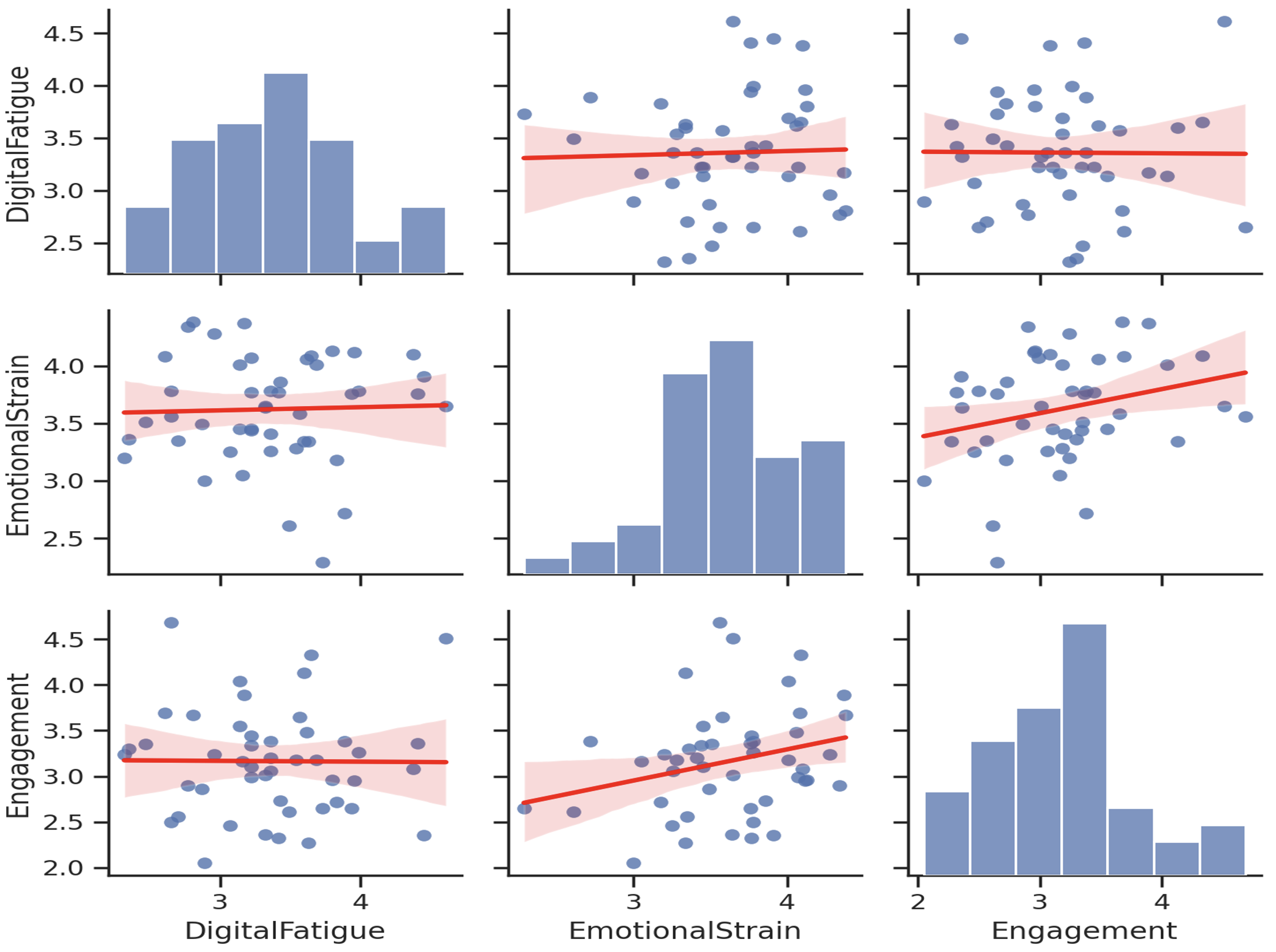
Figure 1. Scatterplot matrix of Pearson correlations between learner variables
The scatterplot matrix visually supports the correlation findings. The relationship between digital fatigue and both emotional strain and engagement appears flat. The scatterplot between emotional strain and engagement shows a slight upward trend, suggesting a weak positive relationship.
Group Comparisons by Gender
Independent samples t-tests examined gender-based differences. None reached statistical significance and all effect sizes were small, suggesting negligible gender differences in this sample.
Table 3. Means and standard deviations of learner variables by gender
| Gender | Digital Fatigue (M/SD) | Emotional Strain (M/SD) | Engagement (M/SD) |
| Female | 3.38 / 0.58 | 3.62 / 0.49 | 3.18 / 0.60 |
| Male | 3.28 / 0.43 | 3.64 / 0.32 | 3.12 / 0.58 |
Table 4. Independent samples t-Test results by gender with effect sizes
| Variable | t-value | df | p-value | Mean Diff. | 95% CI | Cohen’s d |
| Digital Fatigue | 0.588 | 45 | 0.565 | 0.10 | [-0.24, 0.44] | 0.19 (small) |
| Emotional Strain | -0.192 | 45 | 0.850 | -0.02 | [-0.27, 0.23] | 0.06 (negligible) |
| Engagement | 0.280 | 45 | 0.784 | 0.06 | [-0.32, 0.44] | 0.10 (small) |
None of the comparisons between male and female learners reached statistical significance (p > .05). Although female learners reported slightly higher average levels of digital fatigue and engagement, the differences were not meaningful. Emotional strain scores were nearly identical across genders.
These results suggest that in this sample, gender does not appear to be a major factor influencing digital fatigue, emotional stress, or engagement in hybrid EFL university classrooms.
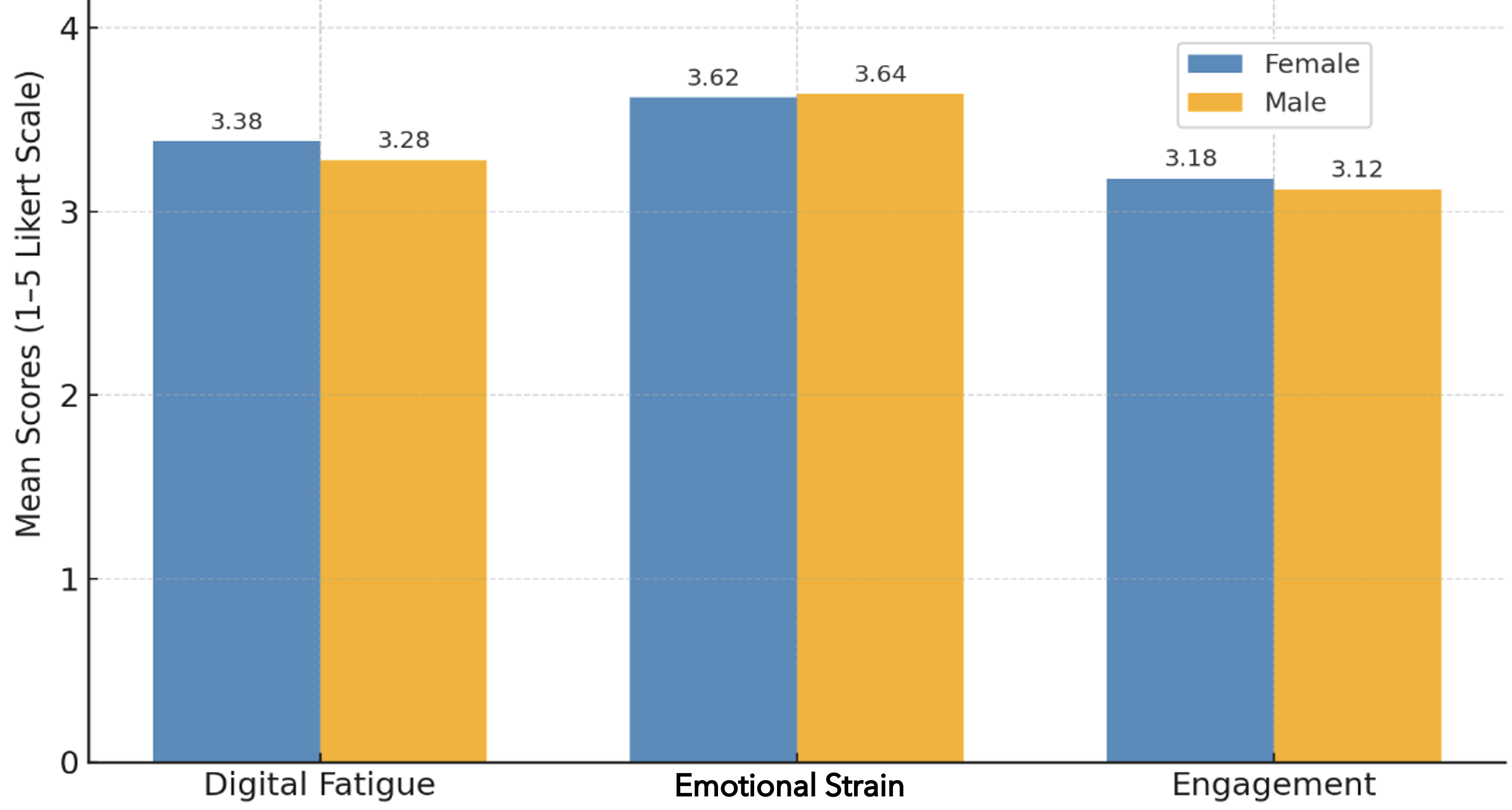
Figure 2. Mean scores of digital fatigue, emotional strain, and engagement by gender (N = 47)
Figure 2 illustrates the mean scores of digital fatigue, emotional strain, and engagement among male and female learners. Female participants reported slightly higher digital fatigue (M = 3.38) and engagement (M = 3.18) compared to males (M = 3.28 and M = 3.12, respectively). Emotional strain was nearly identical across genders, with males reporting a marginally higher mean (M = 3.64) than females (M = 3.62). These visual patterns correspond with the statistical results presented in Table 4.
Qualitative Results: Emotional Fatigue and Engagement in Hybrid Learning
Thematic analysis yielded three overarching themes: (1) Emotional Responses to Hybrid Learning, (2) Coping Mechanisms and Instructional Adaptation, and (3) Engagement Amid Emotional Strain.
Theme 1: Emotional Responses to Hybrid Learning
Subtheme 1.1: Digital disconnection. Many teachers described emotional detachment. One instructor stated: “I sometimes feel like I’m teaching into a void. There’s no eye contact, no response, and it feels emotionally draining” (Teacher 3). Learners echoed this: “When I don’t see my classmates, I feel alone in class. It’s like I’m studying by myself, not in a group” (Learner 7).
Subtheme 1.2: Screen fatigue and cognitive overload. Learners reported mental exhaustion: “After two or three online classes, I can’t focus anymore. My brain feels tired” (Learner 5). Teachers identified similar symptoms: “I notice I start out energetic, but after a couple of online hours, my delivery becomes mechanical” (Teacher 2).
Theme 2: Coping Mechanisms and Instructional Adaptation
Subtheme 2.1: Instructional adjustments. Teachers adopted new strategies: “I started using short video updates and encouraged students to reply with emojis or audio responses” (Teacher 1). “I added more materials learners could access anytime to reduce live screen time” (Teacher 4).
Subtheme 2.2: Affective check-ins and emotional reciprocity. Teachers who initiated emotional check-ins noticed increased rapport: “When my teacher asked how we were doing emotionally, it really helped” (Learner 2). “Just saying ‘how’s your energy today?’ made a difference” (Teacher 3).
Subtheme 2.3: Learner self-regulation strategies. Learners described coping strategies: “I now plan short walks between classes” (Learner 6). “Turning off my camera when I didn’t need it really helped reduce stress” (Learner 4).
Theme 3: Engagement Amid Emotional Strain
Subtheme 3.1: Emotional strain as a motivator. Some learners noted heightened stress enhanced focus: “I felt more anxious, but that made me concentrate harder during online parts. I didn’t want to miss anything important” (Learner 6).
Subtheme 3.2: Creative instructional response. Teachers shared how burnout prompted pedagogical shifts: “The exhaustion made me rethink my teaching style. I had to be more creative, more emotionally available… and somehow that improved student response” (Teacher 5).
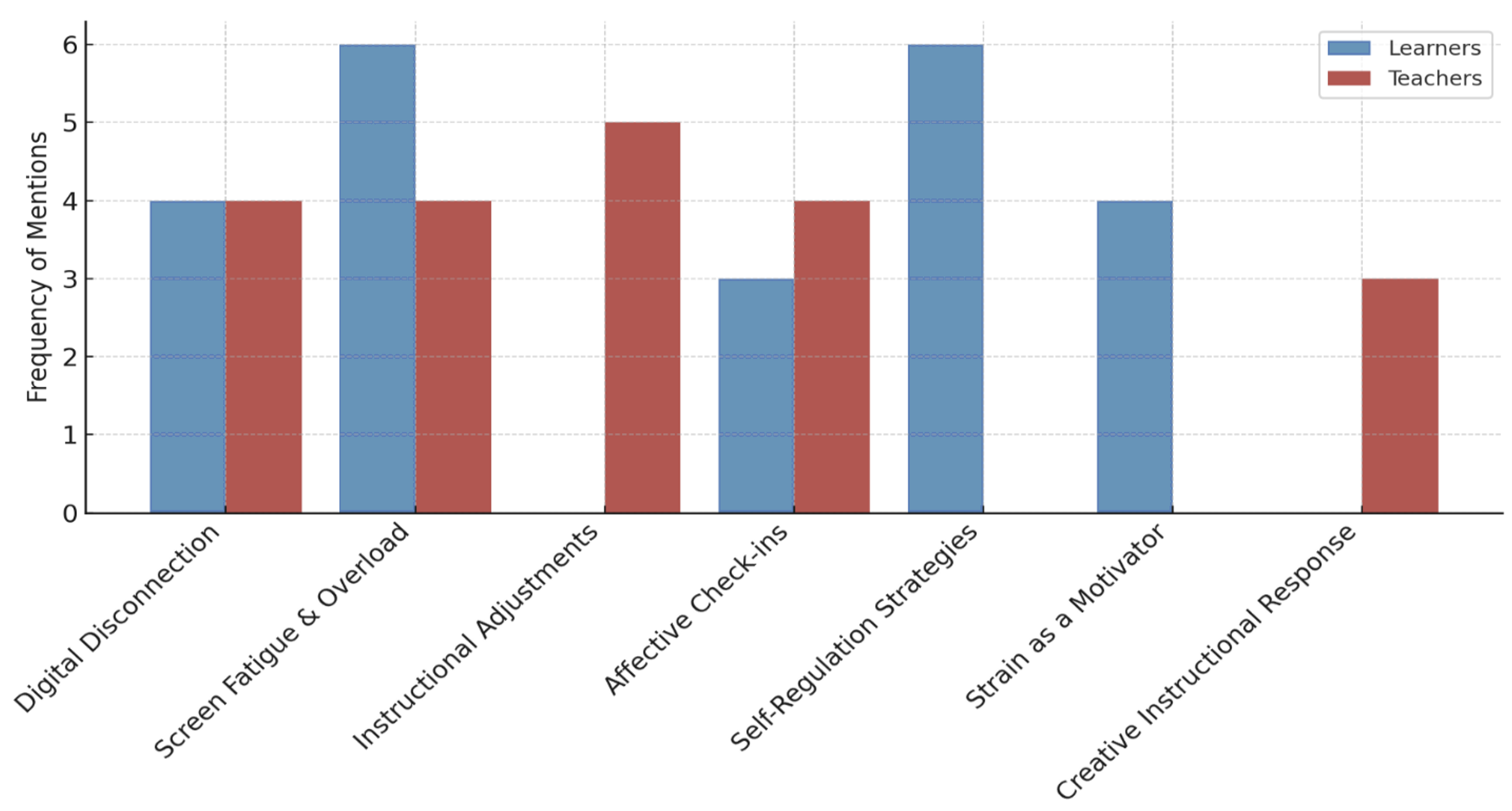
Figure 3. Frequency of coded subthemes reported by learners and teachers
Figure 3 presents the distribution of coded qualitative subthemes reported by learners and teachers. Notably, the figure reveals differential emphases by role: learners predominantly reported self-regulation strategies and stress-induced focus, whereas teachers more frequently described instructional adaptations and affective check-ins. This role-based divergence, also reflected in the interview excerpts, illustrates how emotional strain manifests and is managed differently across the two groups in hybrid classrooms.
Discussion
This study investigated how hybrid teaching affects emotions in adult English classrooms in Iran, focusing on screen fatigue, emotional stress, and student involvement. A key finding is that emotional stress did not always lead to disengagement. Instead, some students and teachers adapted creatively. Students took breaks, managed screen time, and used recorded materials. Teachers used short check-ins, flexible schedules, and varied feedback formats. These results suggest that while emotional challenges are real in hybrid classes, they can also foster resourcefulness and connection.
This study captures emotional experiences within a hybrid EFL context that remains under-researched, particularly in adult, non-Western settings. The research shows that hybrid instruction creates a unique emotional ecology where learners and teachers continuously negotiate between presence and detachment. The study reframes emotional burnout not as a secondary issue but as a central factor shaping hybrid pedagogies.
Interestingly, although participants reported high levels of emotional fatigue and disconnection, these experiences did not always lead to withdrawal. Instead, emotional strain often prompted greater self-regulation and intention in study habits. This pattern aligns with control-value theory (Pekrun, 2006), which holds that emotionally invested learners may reallocate cognitive resources to maintain task value even under stress. Similarly, some teachers responded to emotional exhaustion with pedagogical creativity, using affective questioning, asynchronous engagement, and multimodal interaction. These responses indicate that emotional strain, while challenging, can serve as a motivator for strategic adaptation.
These findings align with Iranian studies showing that emotional intelligence negatively correlates with burnout (Roohani & Esmailvandi, 2016; Esmaili et al., 2018; Mahmoodi & Ghaslani, 2014). EI components such as adaptability and intrapersonal skills predicted lower burnout, supporting this study’s observations of emotionally intelligent coping. Mahmoodi and Ghaslani (2014) found teacher reflectivity negatively correlated with burnout, aligning with our teachers’ use of emotional journaling. Javadi (2014) demonstrated that technological competence can mitigate teacher burnout, echoing experiences of tech-savvy teachers in this study.
International studies also support these findings. Research shows teacher-student relationships and enjoyment significantly influence student burnout (Li & Zhang, 2024). For teachers, digital learning environments demand new affective competencies, but emotionally intelligent responses can buffer burnout (Morska et al., 2022). Psychological capital (PsyCap), including hope and resilience, mitigates teacher burnout in technology-enhanced instruction (Chen et al., 2024), matching our finding that emotionally aware teachers maintained efficacy under strain.
Some studies partially contradict our findings. Morska et al. (2022) argue that rapid technology integration exacerbated emotional strain for many teachers. While our participants reported screen exhaustion, many described technology as a resource rather than a burden, possibly due to contextual differences or digital preparedness. Chen et al. (2024) found neuroticism associated with burnout, while openness correlated negatively. Our study did not measure personality traits, but variations in responses suggest individual differences influence coping.
The theoretical contributions reaffirm emotional labor theory (Hochschild, 2012), suggesting deep acting is sustainable for maintaining classroom connection. The study also supports control-value theory (Pekrun, 2006), showing learners’ emotions are shaped by perceived control and task value. Cognitive load theory (Sweller, 2005) explains why participants gravitated toward asynchronous resources to reduce mental strain. Zimmerman’s (2000) self-regulation model is echoed in learner strategies like pacing and scheduled breaks.
International Relevance
While this study was conducted in Iran, its implications extend to other EFL contexts globally. In many non-Western and developing educational systems, hybrid learning has expanded rapidly without corresponding emotional support structures. The coping strategies identified affective check-ins, flexible pacing, multimodal feedback are transferable across cultural contexts. However, adaptations must consider local norms: in more hierarchical educational cultures, explicit emotional check-ins may require framing as pedagogical routines rather than personal inquiries. In Western contexts with greater emphasis on learner autonomy, student-initiated self-regulation strategies may be more readily adopted. Teacher training programs worldwide can integrate emotional presence as a core competency, and curriculum designers can build in flexibility to accommodate digital fatigue. The study thus offers a foundation for cross-contextual dialogue on emotionally responsive hybrid instruction.
Practical Implications
Pedagogically, emotional presence must be integrated into teacher training as a central component of effective hybrid instruction. Teachers should be equipped to recognize, manage, and harness emotional dynamics. From a policy perspective, institutions must acknowledge emotional labor involved in hybrid teaching through mental health services, reduced workloads, or professional development. For curriculum design, emotionally intelligent structuring flexibility, visual-auditory variety, affective pacing can mitigate fatigue while sustaining engagement.
Limitations and Future Directions
Despite the mixed-methods design and triangulation of data sources, a key limitation is the relatively small sample size (47 learners, 15 teachers). While sufficient for identifying trends and conducting basic statistical analysis, the modest sample constrains generalizability. Given this exploratory nature, the non-significant correlation between emotional strain and engagement (r = 0.27, p > 0.05) should not be interpreted as evidence of no relationship, but rather as a trend requiring confirmation with larger samples. Future research with larger, more diverse populations across institutions is recommended.
Additional limitations include the specific national and institutional context, which may affect generalizability, and self-reported emotional variables, which introduce possible social desirability or recall bias. Although triangulated with qualitative journals and interviews, future research should consider psychometric or physiological tools to measure burnout and engagement more objectively. Personality dimensions and contextual affordances such as workload and digital infrastructure should also be considered.
Conclusion
This study shows that emotional burnout in hybrid English classes is not just a problem but can also lead to creative teaching and learning. When teachers are flexible, emotionally aware, and comfortable with technology, they can turn stressful moments into opportunities to connect more effectively with students. With thoughtful design and support, hybrid classrooms can become emotionally supportive spaces where both teachers and students grow.
This study offers several original contributions. First, it reconceptualizes emotional burnout in hybrid EFL classrooms not solely as a threat to engagement but also as a stimulus for creativity and resilience. Second, by examining both teacher and learner perspectives within a shared classroom ecology, it extends current emotional frameworks in EFL education. Finally, by providing evidence from an underrepresented non-Western context, this study contributes to a more globally inclusive understanding of emotional dynamics in hybrid EFL education.
Acknowledgments
The authors would like to thank the anonymous reviewers for their valuable time and insightful feedback, which significantly improved the quality of this manuscript. Special gratitude is extended to Dr. Mandana Arfa-Kaboodvand for her generous help and guidance throughout the preparation of this work.
About the Authors
Shadab Jabbarpoor is an assistant professor in the English Language Department at Islamic Azad University, Garmsar Branch, Iran. Her research interests include EFL teacher burnout, input enhancement, and vocabulary acquisition in ESP contexts. She has published on teacher burnout in Iranian EFL contexts and textual enhancement across linguistic structures. ORCID ID: 0000-0003-4089-9287
Mohammad Sadegh Ghalibafan is a lecturer in the Foreign Language Department at Islamic Azad University, Tehran South Branch, Iran. He holds a Ph.D. in ELT and has taught general English for over 20 years. His research interests include grammar learning strategies, learner differences in SLA, teaching methodology, and grounded theory. ORCID ID: 0009-0007-9446-2511
To Cite this Article
Jabbarpoor, S. & Ghalibafan, M.S. (2026). Digital fatigue and emotional burnout in hybrid EFL classrooms: Insights from teacher-learner interaction. Teaching English as a Second Language Electronic (TESL-EJ), 30(2). https://doi.org/10.55593/ej.30118a7
References
Acosta-Gonzaga, E., & Ruiz-Ledesma, E. F. (2022). Students’ emotions and engagement in the emerging hybrid learning environment during the COVID-19 pandemic. Sustainability, 14(16), 1-14. https://doi.org/10.3390/su141610236
Aghaei, K., Ghoorchaei, B., Rajabi, M., & Ayatollahi, M. A. (2022). Iranian EFL learners’ narratives in a pandemic pedagogy: Appreciative inquiry-based approach. جستارهای زبانی [Language Explorations], 13(3), 285-314 https://doi.org/10.52547/LRR.13.3.12
Ahmadi, R., & Weisi, H. (2024). A phenomenological inquiry into students’ research practice experiences in Iran’s higher education: Special focus on supervisor-student relationships. Studies in Higher Education, 49(11), 1914-1927. https://doi.org/10.1080/03075079.2023.2283779
Chen, F., Wang, X., & Gao, Y. (2024). EFL teachers’ burnout in technology-enhanced instruction settings: The role of personality traits and psychological capital. Acta Psychologica, 249, 104461. https://doi.org/10.1016/j.actpsy.2024.104461
Cohen, J. (1988). Statistical power analysis for the behavioral sciences (2nd ed.). Lawrence Erlbaum Associates. https://doi.org/10.4324/9780203771587
Creswell, J. W., & Creswell, J. D. (2017). Research design: Qualitative, quantitative, and mixed methods approaches (4th ed.). Sage Publications.
Dewaele, J.-M., & MacIntyre, P. D. (2014). The two faces of Janus? Anxiety and enjoyment in the foreign language classroom. Studies in Second Language Learning and Teaching, 4(2), 237-274. https://doi.org/10.14746/ssllt.2014.4.2.5
Dutta, B. (2023). Mental health support systems in hybrid learning environments in 2023: Addressing post-pandemic student and educator well-being. ShodhKosh: Journal of Visual and Performing Arts, 4(1), 4697-4703. https://doi.org/10.29121/shodhkosh.v4.i1.2023.6208
Edwards, O. E., Howarth, M., & Xethakis, L. J. (2023). The impact of hybrid learning on foreign language enjoyment and anxiety. SSRN Electronic Journal. https://doi.org/10.2139/ssrn.4339743
Esmaili, R., Khojasteh, L., & Kafipour, R. (2018). The relationship between emotional intelligence and burnout among EFL teachers teaching at private institutions. Social Sciences and Humanities, 26(3), 1595-1616.
Frenzel, A. C., Becker-Kurz, B., Pekrun, R., Goetz, T., & Lüdtke, O. (2018). Emotion transmission in the classroom revisited: A reciprocal effects model of teacher and student enjoyment. Journal of Educational Psychology, 110(5), 628-645. https://psycnet.apa.org/doi/10.1037/edu0000228
Hochschild, A. (2012). The Managed Heart: Commercialization of Human Feeling. University of California Press. https://doi.org/10.1525/9780520951853
Hod, Y., & Katz, S. (2020). Fostering highly engaged knowledge-building communities in socioemotional and sociocognitive hybrid learning spaces. British Journal of Educational Technology, 51(4), 1117-1135. https://doi.org/10.1111/bjet.12910
Huo, J. (2022). The role of learners’ psychological well-being and academic engagement on their grit. Frontiers in Psychology, 13, 848325. https://doi.org/10.3389/fpsyg.2022.848325
Ilay, K., & Mendoza, J. (2022). Internet fatigue scale for teachers (IFST): Development and validation. Psychology and Education: A Multidisciplinary Journal, 5(8), 1-7. https://doi.org/10.5281/zenodo.7336985
Jabbarpoor, S. (2016). Teachers’ burnout levels in Iranian EFL context: The case of junior high school, senior high school, university, and private English institute EFL teachers. Journal of Language and Translation, 6(4), 91-105. https://oiccpress.com/ttlt/article/view/15607
Javadi, F. (2014). On the relationship between teacher autonomy and feeling of burnout among Iranian EFL teachers. Procedia-Social and Behavioral Sciences, 98, 770-774. https://doi.org/10.1016/j.sbspro.2014.03.480
Kahu, E. (2014). Increasing the emotional engagement of first-year mature-aged distance students: Interest and belonging. The International Journal of the First Year in Higher Education, 5(2), 45-55. https://doi.org/10.5204/intjfyhe.v5i2.231
Karimi, M. N., & Ashkani, P. (2025). EFL learners’ emotional challenges and the associated coping mechanisms in online and hybrid learning contexts: A narrative inquiry. Australian Journal of Applied Linguistics, 8(2), 1-17. https://doi.org/10.29140/ajal.v8n2.102661
Koayess, P., & McCaw, T. (2020). Mitigating screen fatigue in virtual learning. In Proceedings of the 13th Annual International Conference of Education, Research and Innovation (ICERI2020). IATED. https://doi.org/10.21125/iceri.2020.1079
Kumar, P., & Pal, Y. (2024). Teachers’ Professional Commitment: A Critical study of hybrid learning arrangements. ShodhKosh: Journal of Visual and Performing Arts, 5(6), 3712-3718. https://doi.org/10.29121/shodhkosh.v5.i6.2024.6505
Li, Y., & Zhang, L. (2024). Exploring the relationships among teacher-student dynamics, learning enjoyment, and burnout in EFL students: The role of emotional intelligence. Frontiers in Psychology, 14, 1-15. https://doi.org/10.3389/fpsyg.2023.1329400
MacIntyre, P. D., Gregersen, T., & Mercer, S. (2020). Language teachers’ coping strategies during the COVID-19 conversion to online teaching: Correlations with stress, wellbeing, and negative emotions. System, 94, 1-13. https://doi.org/10.1016/j.system.2020.102352
Mahmoodi, M. H., & Ghaslani, R. (2014). Relationship among Iranian EFL teachers’ emotional intelligence, reflectivity, and burnout. Iranian Journal of Applied Language Studies, 6(1), 89-116. https://doi.org/10.22111/ijals.2014.1993
Mahmoodi-Shahrebabaki, M. (2015). Detecting agents of emotional exhaustion among Iranian language teachers within the framework of attribution theory. GESJ: Education Science and Psychology, 2(34), 45-61. https://ssrn.com/abstract=2863616
Morska, L., Polok, K., Bukowska, M., & Ladanivska, I. (2022). New technologies and their impact on foreign language teacher professional burnout under COVID-19 pandemic conditions. Advanced Education, 19(1), 35-44. https://doi.org/10.20535/2410-8286.251587
Niu, L., Wang, X., Wallace, M. P., Pang, H., & Xu, Y. (2022). Digital learning of English as a foreign language among university students: How are approaches to learning linked to digital competence and technostress? Journal of Computer Assisted Learning, 38(5), 1332-1346. https://doi.org/10.1111/jcal.12679
Ocak, G., Günhan, R., Uzun, A. M., & Karakuyu, A. (2023). Development and validation of a screen fatigue scale. Participatory Educational Research, 10(3), 226-246. https://doi.org/10.17275/per.23.53.10.3
Pekrun, R. (2006). The control-value theory of achievement emotions: Assumptions, corollaries, and implications for educational research and practice. Educational Psychology Review, 18(4), 315-341. https://doi.org/10.1007/s10648-006-9029-9
Pekrun, R. (2011). Emotions as drivers of learning and cognitive development. In R. Calvo & S. D’Mello (Eds.), New perspectives on affect and learning technologies (pp. 23-39). Springer. https://doi.org/10.1007/978-1-4419-9625-1_3
Pekrun, R., & Stephens, E. J. (2012). Academic emotions. In K. R. Harris, S. Graham, T. Urdan, J. M. Royer, & M. Zeidner (Eds.), APA educational psychology handbook (Vol. 2, pp. 3-31). American Psychological Association. https://doi.org/10.1037/13274-001
Peng, W., Liu, Y., & Peng, J. E. (2023). Feeling and acting in classroom teaching: The relationships between teachers’ emotional labor, commitment, and well-being. System, 116, 103093. https://doi.org/10.1016/j.system.2023.103093
Richards, J. C. (2022). Exploring emotions in language teaching. RELC Journal, 53(1), 225-239. https://doi.org/10.1177/0033688220927531
Roohani, A., & Esmailvandi, M. (2016). A sequential mixed-method analysis of students’ burnout and emotional intelligence. Issues in Language Teaching, 5(1), 135-160. https://doi.org/10.22054/ilt.2016.7729
Safari, P. (2017). Proletarianization of English language teaching: Iranian EFL teachers and their alternative role as transformative intellectuals. Policy Futures in Education, 15(1), 74-99. https://doi.org/10.1177/1478210316681203
Shakhsi Dastgahian, E., & Scull, J. (2022). Implementing English language teaching reforms through professional learning. Education Inquiry, 13(4), 395-411. https://doi.org/10.1080/20004508.2021.1937865
Sweller, J. (2005). Implications of cognitive load theory for multimedia learning. In R. E. Mayer (Ed.), The Cambridge handbook of multimedia learning (pp. 19-30). Cambridge University Press. https://doi.org/10.1017/CBO9780511816819.003
Zheng, F. (2022). Fostering students’ well-being: The mediating role of teacher interpersonal behavior and student-teacher relationships. Frontiers in Psychology, 12, 796728. https://doi.org/10.3389/fpsyg.2021.796728
Zimmerman, B. J. (2000). Attainment of self-regulation: A social cognitive perspective. In M. Boekaerts, P. R. Pintrich, & M. Zeidner (Eds.), Handbook of self-regulation (pp. 13-39). Academic Press. https://doi.org/10.1016/B978-012109890-2/50031-7
Appendix A. Sample Learner Interview Questions
- How do you feel about attending English classes in the hybrid format?
- What emotions do you typically experience after online sessions?
- Have you experienced any form of digital or screen fatigue? Can you describe it?
- What strategies do you use to stay focused or engaged during online learning?
- In what ways, if any, do your teachers help you stay emotionally or mentally involved in class?
- What would make the hybrid learning experience more emotionally manageable for you?
Appendix B. Sample Teacher Reflective Journal Prompts
- Describe your emotional state before, during, and after this week’s hybrid sessions.
- What challenges did you face in maintaining emotional presence with students?
- What strategies did you use to manage digital fatigue, for yourself and your students?
- Were there any moments of emotional disconnection or disengagement? What triggered them?
- Did any emotional interactions (positive or negative) stand out to you this week?
Appendix C. Thematic Coding Framework
| Theme | Subtheme | Code | Definition |
| Emotional Responses | Digital Disconnection | T_Void | Teacher feels they are “teaching into a void” with no visible feedback |
| Screen Fatigue | L_ScreenTired | Learners mention mental exhaust-tion or tiredness from screen use | |
| Coping Mechanisms | Affective Check-ins | T_CheckIn | Teacher initiates questions or interactions about students’ emotional state |
| Learner Self-Regulation | L_Pacing, L_Breaks | Learners manage their own screen time, attention, or emotional wellbeing | |
| Engagement Amid Strain | Cognitive Compensation | L_FocusedAnxiety | Learners report concentrating harder due to stress or emotional pressure |
| Creative Teacher Response | T_Reformulate | Teacher alters pedagogy in response to emotional fatigue |
| Copyright of articles rests with the authors. Please cite TESL-EJ appropriately. Editor’s Note: The HTML version contains no page numbers. Please use the PDF version of this article for citations. |