

August 2026 – Volume 30, Number 2
https://doi.org/10.55593/ej.30118a11
Xiaolong Liu
Shenzhen University
<2300081002 email.szu.edu.cn>
Danyang Zhang
Shenzhen University
<danyangzhangszu.edu.cn>
Danling Li
Shenzhen University
<danling0125gmail.com>
Abstract
English learning is challenging for Chinese students due to linguistic differences and the exam-oriented education system. As a result, their self-efficacy (SE) in English learning may be weakened, negatively impacting their performance. Since new media platforms have transformed the education landscape, possessing a high level of new media literacy (NML) is crucial for senior high students to thrive. Although previous research has deconstructed and measured college students’ NML and SE levels, few studies have examined the relationship between these two constructs among senior high school students. In this research, we adapted scales from previous studies and developed new scales, validated through reliability and validity tests. We measured target students’ NML and SE levels via questionnaire and analyzed their correlation. Results show that students achieved higher scores in understanding, prosuming skill, English speaking, and writing skills, revealing their strengths in media manipulating skills and language output activities. However, their evaluation, creation, English listening, and speaking scores were lower, and there is a strong positive correlation between critical consuming (CC) and SE. The finding emphasizes the urgent need to raise students’ language confidence within the new media environment to help them excel in the interconnected world.
Keywords: Chinese senior high school students, new media literacy, English learning self-efficacy, instrument, correlation
In China, students face pressing difficulties in learning English because of grammatical disparities, scarcity of authentic language input, and ineffective learning strategies (Chen & Goh, 2011; Hu, 2003; Liu & Zhang, 2025). Thus, their self-efficacy (SE) may be negatively affected (Luan et al., 2020). As a cognitive factor, SE refers to individuals’ judgment and confidence in their ability to complete a task or achieve a goal (Bandura, 2001). Language learners, with high levels of SE beliefs, possess lower foreign language anxiety, view themselves as proactive learners, and invest more effort and cognitive resources when facing challenging tasks (Teng, 2025), while people with low SE tend to adopt negative avoidance behavior patterns.
With the advent of information and communication technology (ICT), the daily communication landscape has changed drastically, and new media have become so popular that it has penetrated into every aspect of our daily lives. New media literacy (NML), which is of great significance for people to engage in the 21st-century world, refers to an individual’s ability to consume and create content on digital platforms (Celik et al., 2021; Chen et al., 2011; Lin et al., 2013). Different from the former kinds of literacy (e.g., classic, audio-visual, digital, etc.), NML requires individuals to become proactive participants who manage media consumption together with active media creation (Kara et al., 2018; Liu & Zhang, 2025). In English education, NML subsumes the capacity to engage critically with diverse media forms, like social media platforms, blogs, video content, and online articles, thereby fostering students’ language acquisition and enhancing their motivation (Anwas et al., 2020). Besides, the integration of new media into English teaching has been shown to enhance student engagement and facilitate authentic language input, thus, teachers have implemented many teaching strategies involving new media to create a more dynamic and effective learning environment, which have been found to bolster students’ language skills and communication abilities, making learning more personalized and independent (Liu & Pei, 2021). To sum up, new media provide the tools for knowledge construction, and SE enables learners to undertake (Mitchell et al., 2016). They are not isolated constructs but mutually reinforcing. Theoretically, they form a cognitive-behavioral loop where SE drives students to engage in NML practices (e.g., actively explore and apply new media tools in daily study), while the continuous and successful NML experiences further reinforce their SE. Practically, integrating them cultivates learners’ technical competence to navigate new media and promotes them to use these tools creatively, critically, and autonomously. Therefore, this interplay is essential for preparing students to thrive in nowadays digital landscape.
As for the senior high school students aged between 16 and 18, they have been identified as “digital natives” and frequently participate in the new media environment (Chandler, 2013). Since they are still physically and mentally developing, their value formation and learning experience could be strongly influenced by the media content they are exposed to (Khurana et al., 2019). Consequently, it became necessary for students to deal with multi-modal forms of information in different ways and possess cognitive, emotional, and sociocultural competencies to use technologies ethically, actively, and critically to suit their individual demands (Hobbs, 2017). When it comes to SE, it significantly influences students’ academic drive. It also enhances their learning engagement, encouraging them to invest time in challenging tasks and set goals (Ruegg, 2018), which is crucial for achieving better academic outcomes. Therefore, by integrating NML practices with SE cultivation in the field of English education, educators can make English teaching more dynamic and learner-centered (Pradeepa & Hema, 2022), while students can proactively explore authentic English resources in digital contexts and confidently express themselves through various multimedia platforms (Teng, 2024; Teng & Yang, 2023), thereby enhancing both their linguistic proficiency and comprehensive competencies to excel in the increasingly globalized world. Hence, NML and SE should be investigated in integration rather than isolation to better empower students with the necessary abilities to effectively communicate and collaborate in digital environments and improve their language performance (Luan et al., 2020).
While previous research investigates the individual effects of NML and SE in English learning and proves that a high frequency of using English-language social media can improve student engagement and language proficiency, the exploration of NML development within the context of senior high school English education is sparse. Understanding the relationship between these two constructs may hold significant implications for educational practitioners, policymakers, and curriculum developers in designing effective instructional strategies that foster students’ language proficiency. Consequently, this study aims to test the validity of two newly-designed questionnaires (i.e., NML and SE scales) and find out the current situations and correlation of target senior high school students’ NML and SE levels to better promote the integration of NML and English education.
Literature Review
Students’ SE in English Learning
Being a subjective psychological concept, SE influences learners’ behavioral choices, willpower levels, thinking patterns, and emotional responses (Askim & Knardahl, 2021), which is a determining factor that can profoundly affect students’ learning behavior, motivation, and achievement (Ruegg, 2018; Sahan et al., 2023). Specifically, individuals with a higher degree of SE would have stronger intention and persistence in dealing with adversities and conducting complex work (Pajares, 2009). For example, Eshel and Kohavi (2003) reported that academic achievement was significantly and positively correlated with SE awareness, which was verified with Asian and European learners in the field of social studies and ESL/EFL (Busse & Walter, 2013). However, Asian students generally possess lower SE but are more precise at aligning themselves with subsequent performance in academic settings compared with learners of Western culture (Earley, 1999; Eaton & Demo, 1997; Salili et al., 2001). Many researchers have observed diverse SE levels among EFL learners in various contexts and found out that it was affected by students’ interests, teachers’ role, complexity of required tasks, learners’ performance, effort put into the task, and meta-cognitive awareness. For example, Truong and Wang (2019) found that first-year Vietnamese EFL college students reported a medium level of SE in English listening, speaking, reading, and writing, which subsequently correlated with a moderate level of English language proficiency. Different from the study mentioned above, which investigated all basic language skills, Sun and Wang (2020) examined the writing SE of 319 Chinese EFL students and unveiled that students showed moderate levels of overall writing SE, specifically, students showed a higher level of SE for the organization and lower levels of the language use of English writing. Besides, Teng and Teng (2024)’s study validated the SE Beliefs in Peer Feedback (SEBPF) scale using bifactor ESEM, which was developed through rigorous procedures, including extracting themes from published studies and conducting interviews with EFL student writers in China. Therefore, SE is essential in the process of teaching and learning because highly efficacious students are usually highly motivated to accomplish tasks and persistent when they encounter obstacles or difficulties (Zimmerman & Cleary, 2006).
Since English is the primary language in various domains from academia to business, and one of the three main subjects that determines their grades in China’s vital college entrance examination, senior high school students are strongly committed to learning English and obtaining high exam scores since childhood. However, according to Xuan et al., (2023), due to challenges like the lexical and grammatical distinctiveness between Chinese and English, the exam-oriented education system, and prevailing teaching methods which often emphasize cramming, high school students may lack confidence and have increased anxiety in their English learning, so their SE and engagement in English learning will be adversely affected (Chou, 2017; Wang et al., 2023). Moreover, Ping et al., (2015) highlighted that Chinese English learners were deficient in cognitive and meta-cognitive strategies, affecting their SE and motivation in vocabulary learning. To sum up, though much effort has been devoted, low SE prevails among Chinese EFL learners (Bai & Wang, 2023; Zhang & Kim, 2013), and many English teachers still strive to use efficient teaching methods to improve students’ SE levels and scores. Therefore, understanding and enhancing Chinese students’ SE is of great significance to their English language learning process and crucial for teachers while designing instructional activities and curriculum (Wang et al., 2014). Besides, SE and NML form a reciprocal cycle in English education (Liu & Zhang, 2025; Luan et al., 2020). SE empowers learners to view digital tools as accessible platforms for language expression, not obstacles, leading to proactive media use and sustained engagement. Conversely, NML practices break through traditional classroom limitations, create multi-dimensional learning pathways, and provide non-threatening environments for language use (Liu & Pei, 2021), enhancing learners’ language skills and overall academic confidence and performance. Therefore, it is of great significance for educators to apply NML-based activities to improve students’ SE in the field of English education.
Theoretical Framework and Empirical Studies of NML
Since the 21st century, new media technologies have expanded the notion of literacy to include consuming media content and sharing it with others and the new focus of NML is on the collective creation of innovative media content over static content delivery, social interaction over isolated surfing, and active participation and engagement over passive reception (Jenkins, 2009). Besides, the dissemination of deceptive messages and fragmented information, and dangers of cyber-bullying and cyber-security threats have alarmed us that NML should enable people, especially children and youth, to know how to maximize the benefits of media while avoiding challenges and risks (Livingstone et al., 2019). Therefore, individuals are expected to question potential biases, consequences, and the power of mediated messages within the various channels of new media. Furthermore, with the realm of technology-driven learning, new media, encompassing the Internet, applications, and social media, have significantly transformed English language learning by enhancing engagement and developing critical thinking skills among learners (Hobbs, 2017; Zhang et al., 2026). In particular, Anwas et al. (2020) have shown that the intensity of English language social media usage enhances students’ motivation in English learning, encompassing reading, writing, listening, and speaking.
A preliminary framework of NML was proposed by Chen et al. (2011), which includes four constructs (1) functional consuming (FC); (2) functional prosuming (FP); (3) critical consuming (CC); and (4) critical prosuming (CP) and could be categorized into two continua: (1) from consuming literacy to prosuming literacy and (2) from functional literacy to critical literacy. Specifically, functional literacy involves accessing and understanding the textual meaning of media messages in consuming media and producing media content, while critical literacy, as a higher-level ability, refers to analyzing, synthesizing, and evaluating the potential social values and power relations between the creators and viewers. Consuming literacy indicates an individual’s ability to access and consume media messages, while prosuming literacy refers to one’s ability to create customized information on their own and proactively participate in the media environment by making good use of the advantages brought about by new technologies. However, Lin et al. (2013) argued that there are two major limitations to the aforementioned framework. Firstly, this framework needs to be more precise in characterizing the four types of NML, evidenced by its relatively vague definition and conceptualization of each dimension. Secondly, as the contemporary media environment gradually reshapes how information is disseminated and social interaction occurs, the emerging new media audience is also transformed from passive information receivers to important participants in information production (Lu, 2015). Furthermore, this framework does not distinguish Web 1.0 from Web 2.0, which is a significant oversight as Web 2.0 has played a pivotal role in shaping a distinct participatory media culture (Jenkins, 2009). To address these limitations, Lin et al. (2013) proposed a refined framework with ten indicators to better unpack NML (see Figure 1).
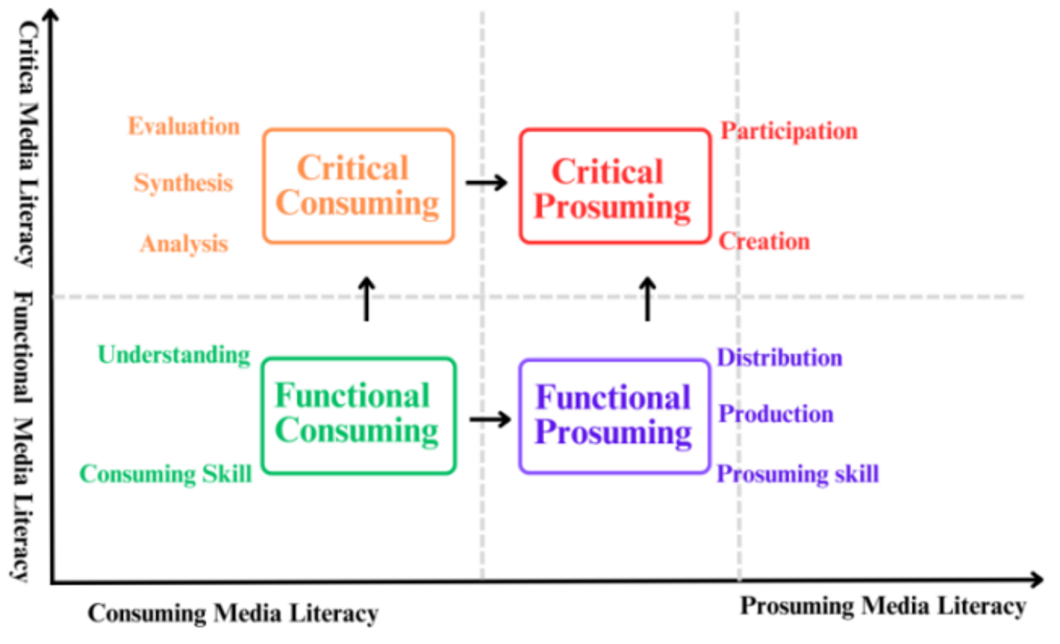
Figure 1. Lin et al.’s (2013) NML framework
Specifically, FC refers to the ability to consume new media and understand what is being conveyed; FP involves the ability to prosume, produce, and distribute various kinds of media content; CC refers to the ability to analyze, synthesize, and evaluate the social, economic, political, and cultural contexts of media information; and CP focuses on individuals’ ability to actively participate in the media environment and create customized media content. Therefore, NML is a multifaceted literacy that synthesizes technical knowledge and sociocultural dimensions, and covers media production, distribution, and use skills (Lin et al., 2013), should be developed by individuals with strict adherence to ethical principles, enabling them to navigate digital environments with integrity and purpose. Nevertheless, according to Zhang et al. (2025), the three indicators including synthesis, participation, and production were deleted because there is an overlap between synthesis and evaluation, participation, production, and creation. Thus, they proposed a revised NML scale, specifically designed for Chinese foreign language majors (see Figure 2), and seven remaining indicators were grouped into four sub-scales: FC (including consuming skill, understanding), CC (including analysis, evaluation), FP (including prosuming skill, distribution) and CP (including creation) to better unpack the NML of Chinese foreign language learners.
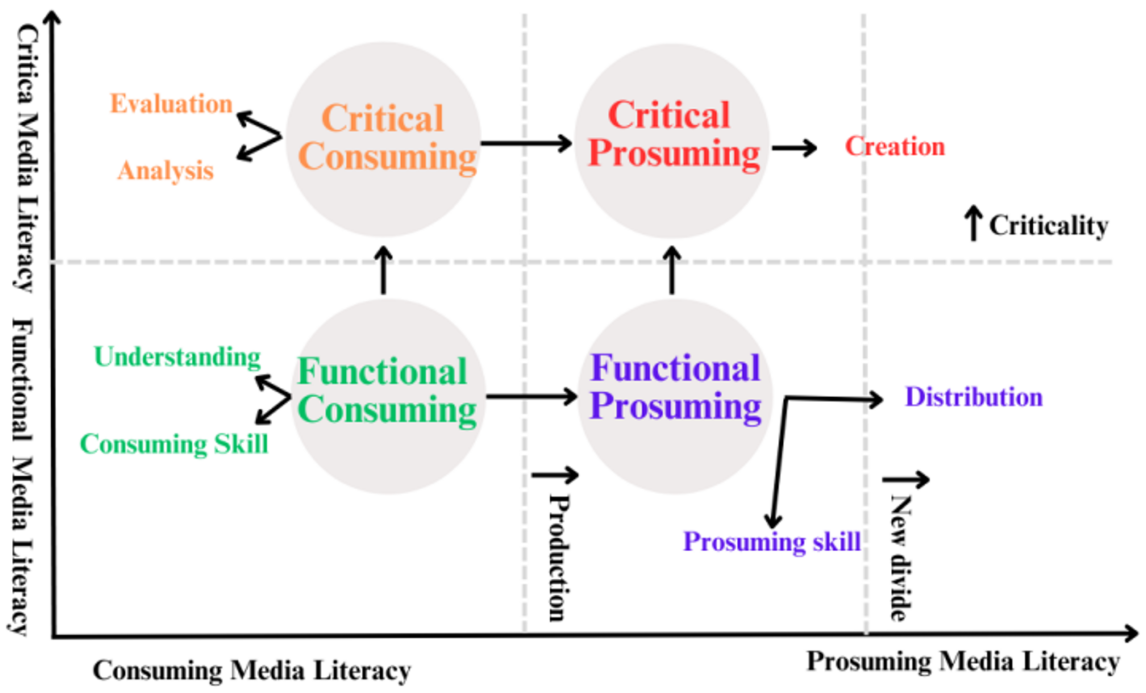
Figure 2. Zhang et al.’s (2025) NML scale
Previous researchers not only offered many solid and authoritative theoretical frameworks to deconstruct NML (Lee et al., 2015; Lin et al., 2013; Koc & Barut, 2016; Zhang et al., 2025) but also provided abundant empirical studies to systematically strengthen its scientific validity through refinement. For example, Kara et al. (2018) investigated the NML skills of pre-service undergraduate teachers, and similarly, their results revealed that the consuming skill level was higher than the prosuming level. Besides, Chen et al. (2018) investigated the NML skills of K12 students in Singapore. They found that K12 students had lower prosuming skills than consuming and there is no significant difference in terms of gender. Consequently, the results of the study suggest that individuals primarily utilize consuming skills, which naturally develop over time, and prosuming skills are less developed since individuals do not refer to them extensively. Moreover, Koc and Barut (2016) indicated that the college students they investigated exhibited a high level of functional literacy while their level of critical literacy was relatively low. In China, Luan et al. (2020) investigated 553 non-English major students at a university in northern China. Based on their revised English NML Scale, they found that the overall English NML level among college students remains low, specifically as manifested by their emphasis on functional use and their neglect of critical use. Specifically, FC ranked the highest among the students, followed by FP and CC, while CP ranked the lowest. Furthermore, Li (2022) examined the NML skills of prospective Chinese language teachers, finding that they demonstrated satisfactory levels of NML, with no significant difference based on gender. The study also highlighted the significance of integrating information technology into Chinese language teaching in higher education. Moreover, Zhang and Wu (2023) explored how a “Media + English language learning” course helps Chinese English majors improve their NML. The quantitative results revealed that the differences between the pre- and post-course questionnaires were statistically significant in most of the NML skills, and evidence from the students’ group work also verified their progress. Moreover, the students’ reflective journals showed their gains and challenges concerning NML development. They also detailed several solutions to address the challenges, which can be summarized in three words: study, practice, and collaboration.
Another body of literature claims that new media provides authentic materials and creates a more interactive and personalized learning environment for learners to gain learning pleasure, cultivate language skills, and raise learning motivation. For example, Liu and Pei (2021) investigated 200 university sophomore students from the course “IELTS Reading and Writing”, and conducted a pre-test and post-test to examine students’ IELTS reading progress. The research findings indicate that new media learning environments greatly improved students’ motivation and enhanced their autonomous learning abilities and advanced academic reading skills. Besides, in a correlation study of junior high school students’ NML and SE, Liu and Zhang (2025) found that CC is the most significant predictor to explain all the SE variables. Specifically, participants possess high levels of FC, FP, and CC but low levels of CP, and they are more self-efficacious in English writing and speaking than in listening and reading activities.
Although previous research offers rich insights and constructive suggestions for defining, conceptualizing, and measuring NML and SE, these studies have predominantly focused on college students. To our knowledge, no instrument was developed specifically to assess senior high students, who are under strong English learning pressure and at the critical stage of value formation and learning ability cultivation. Therefore, considering the English learning difficulties faced by Chinese senior high school students and the positive reinforcement of new media usage on learners engagement and motivation, improved language acquisition, critical thinking, and reduced anxiety (Anwas et al., 2020; Gabdullina et al., 2024; Hobbs, 2017; Lin et al., 2016; Liu & Huang, 2019; Liu & Pei, 2021; Liu & Zhang, 2025), in this research, we sought to design exclusive NML and SE scales and measure senior high school students current levels and figure out the correlation to offer insights into improving English learning and teaching quality and efficiency. Specifically, the present research focuses on the following three research questions.
RQ1. How valid are the NML and SE scales for measuring senior high school students’ NML and SE levels?
RQ2. What are the levels of NML and SE towards English learning amongst senior high school students?
RQ3. Is there correlation between NML and SE in the English learning of senior high school students?
Methodology
Participants
The research participants were 202 students from a public senior high school in China, consisting of 105 male students and 97 female students aged 16 to 17 years old. The students started learning English and information technology courses in Grade 1, so they all have rich new media-using experiences. The participants’ ethical consent was obtained.
Item Development
The NML Scale and SE Scale. We developed our own questionnaire scale based on Zhang et al., (2025) NML framework owing to its high validity and reliability, specifically, (1) it combined and deleted the overlapping questions appeared in the previous research, (2) it was modified according to the requirements of Chinese language learners’ key abilities, and (3) the wording of its items was changed to be congruent with the actual situation of Chinese language learners in both academic and everyday contexts. Table 1 shows the distribution and examples of the items in the NML scale. In this research, the new scale was designed especially for senior high school students, which categorized seven indicators into four dimensions: FC (i.e., consuming skill, understanding), CC (i.e., analysis, evaluation), FP (i.e., prosuming skill, distribution) and CP (i.e., creation). Some modifications on wording were made according to the reality and principles of senior high school students’ English education which originated from current national and provincial government policies, including English Curriculum Standards for Senior High Schools (Ministry of Education 2017, revised in 2020) and Implementation Measures for the Senior High School Academic Proficiency Examination and Student Comprehensive Quality Evaluation (Department of Education of Guangdong Province, 2016). Besides, we modified the diction of the items to fit the learning and daily life of Chinese senior high school students. For instance, we changed the ‘I can use search engines to find the information I need, such as finding a language learning theory on Google Scholar or Baidu Scholar’, to ‘I can use the online dictionary or encyclopedia to search for information, such as Eudic, Britannica’.
Table 1. Distribution of the Items and Item Examples of NML
| Construct | Indicator | Item numbers | Item examples |
| Functional consuming | Consuming skill | 5 (Items 1-5) | I can download files from the internet. e.g., attachments in mailboxes, video clips, etc. |
| Understanding | 5 (Items 6-10) | I can understand different topics on the internet. e.g., international relations, diplomacy, economics, sports, etc. |
|
| Critical consuming | Analysis | 6 (Items 11-16) | I can categorize new media content by the purpose of the communication. e.g., communication, entertainment, education. |
| Evaluation | 6 (Items 17-22) | I can protect myself from the potential adverse effects of certain new media content. e.g., I can correctly view fake news and refrain from believing or spreading rumors. |
|
| Functional prosuming | Prosuming skill | 7 (Items 23-29) | I can convert a paper version of a document to an electronic version. e.g., CamScanner. |
| Distribution | 5 (Items 30-34) | I can use the functions of web pages to rate or vote for products or services. e.g., rate software in the app store. |
|
| Critical prousming | Creation | 3 (Items 35-37) | I can inform or guide others by posting comments on the Internet. e.g., posting objective comments after shopping online or offline. |
Since there is not any published questionnaire for measuring senior high school students’ SE in English learning, we designed a new questionnaire based on Wang et al. (2014), which involved 500 second-year students at a university in southern China, including primarily (82%) male students (17 to 25 years old) who had about eight years of experience studying English as a foreign language at the time of their study. Besides, the Likert scale is a reliable and valid method that is widely used for measuring self-reported data, provided that appropriate steps are taken to address potential biases and ensure the scales are suitable for the target population (Malapane & Ndlovu, 2024). Therefore, a five-point Likert scale was used in the two questionnaires, with higher scores indicating higher NML and SE levels (i.e., 1 for ‘strongly disagree’, 2 for ‘disagree’, 3 for ‘neutral’, 4 for ‘agree’, 5 for ‘strongly agree’). Table 2 shows the distribution and examples of the items in the SE scale. The NML and SE scales were translated into Chinese using an iterative process of repeated independent translation and blind back-translation, which can significantly enhance the accuracy and cultural relevance of translated questionnaires. (Behr, 2016). The minor discrepancies in the choice of words and expressions were adjusted to ensure that the Chinese items convey the original meaning. The questionnaires are provided in Appendix A and Appendix B.
Table 2. Distribution of the Items and Item Examples of SE
| Construct | Item numbers | Item examples |
| English listening | 5 (Items 1-5) | I can understand English speeches. e.g., videos of English speeches shared by people on Bilibili. |
| English speaking | 6 (Items 6-11) | I can make an English self-introduction for about 1 minute. |
| English reading | 6 (Items 12-17) | I can understand English news on the internet. e.g., news from the United Nations, and reports from Reuters. |
| English writing | 6 (Items 18-23) | I can use a variety of English vocabulary to express ideas and avoid excessive reuse of the same words. |
Expert Review and Pilot Study. The second stage involved an expert assessment of the relevance of the scale’s content. We invited three academicians from those fields related to our research scope and methodology such as linguistic, second language acquisition, and technology-enhanced language learning to carefully examine the content validity of the items in the two questionnaires from the perspectives of (1) the aforementioned frameworks, (2) above policies and guidance, and (3) their relevant experiences. These experts were given the definition of NML and SE dimensions and indicators as well as a list of 60 items before reviewing. After gathering and analyzing the feedback from experts, we invited ten senior high school students as volunteers (excluded from the participant group) to pilot the revised 60 items in a bilingual version (Chinese and English). Students responded to the items in a questionnaire form in an empty classroom and were requested to make judgments about item wording, clarity of the statements, and logical organization of the items after the survey. Finally, it took 10-12 minutes to complete the two questionnaires and they pointed out that the five-point Likert scale was acceptable and easy to understand and all items demonstrated good clarity in language. However, they suggested that using the Chinese version is easier to accept than using a bilingual version, which can reduce their reading amount and burden. Therefore, the final version of the questionnaire issued to the students was written in Chinese only.
Data Collection
The developed questionnaire survey has been delivered to 206 students in a public senior high school, consisting of four normal teaching classes in grade 10 (Class 2, 5, 8, 13) and one club course class called Model United Nations (MUN) . To ensure the reliability of responses, the authors deleted those incomplete questionnaires, so that 202 responses were collected, with a response rate of 98%.
Data Analysis
To answer the first RQ, Cronbach α, KMO, and Confirmatory Factor Analysis (CFA) were conducted to assess the reliability and validity of the items. CFA is a multivariate statistical procedure used to evaluate how well-observed variables represent their corresponding underlying constructs, which is commonly employed in scale development to examine the latent structure of a measurement instrument. In the current study, two indices from CFA were used: composite reliability (CR), and average variance extracted (AVE). Specifically, CR and Cronbach α were used to evaluate our scale’s reliability, while AVE and KMO were used to assess its validity.
The second RQ, which focuses on Chinese senior high school students’ current NML and SE levels, was answered using descriptive data, including Mean and Standard Deviation (SD). The mean represents the average value of the students’ self-evaluation of their NML and SE levels, and the SD is a summary measure of the differences between each observation and the mean. Besides, the Pearson correlation analysis method was adopted to explore the relationship between the students’ NML and their SE in English learning. This study analyzed the data of the two research questions using SPSS Statistics (Version 26.0).
Results
RQ1: Reliability and Validity of the NML and SE Scale
For the NML and SE scale, 37 and 23 items were analyzed respectively, and the Cronbach α was 0.948 for NML and 0.942 for SE. The results of NML from CFA indicated good model fit (See Table 3). In addition, items demonstrated acceptable FLs, with most of them exceeding 0.50, which suggest that items effectively measure their intended construct (Zhang et al., 2025). Therefore, the index above confirms that all the items in the two questionnaires and their respective constructs are inextricably linked.
Table 3. CFA Model Fit Indices of NML and SE
| Model Fit Indices | NML | SE |
| χ²/df | 2.857 | 2.775 |
| RMSEA | 0.096 | 0.094 |
| PGFI | 0.592 | 0.626 |
| PNFI | 0.635 | 0.729 |
| PCFI | 0.709 | 0.778 |
| SRMR | 0.076 | 0.076 |
Then, the CR values for each factor were calculated to assess internal consistency, ranging from 0.819-0.888 (NML) and 0.891-0.917 (SE), indicating that both of them exceeded the recommended threshold of 0.70 (Shrestha 2021; Zhang et al., 2025), further verifying the strong reliability of the NML scale. Besides, the KMO values for NML were 0.892 and 0.92 for SE. The AVE values for all constructs in the NML and SE scale were above 0.50, apart from prosuming skill, which had an AVE of 0.479. Although an AVE of 0.50 or higher is typically preferred, convergent validity can still be considered adequate if CR values are above 0.60 (Shrestha 2021; Zhang et al., 2025). Seeing that all the CR values in the two scales surpassed 0.80, the convergent validity can be verified.
To sum up, the NML and SE scales demonstrated satisfactory reliability, as indicated by Cronbach α and CR, and validity, as verified by KMO and AVE. Therefore, our scales are reliable and valid for measuring Chinese senior high school students’ NML and SE. The full results are presented in Table 4.
Table 4. Results of Reliability and Validity Tests of NML and SE Scale (n=202)
| Factor | Item number | Factor loading | AVE | CR |
| Consuming skill | 1 | 0.505 | 0.617 | 0.888 |
| 2 | 0.673 | |||
| 3 | 0.780 | |||
| 4 | 0.838 | |||
| 5 | 0.752 | |||
| Understanding | 6 | 0.629 | 0.603 | 0.883 |
| 7 | 0.690 | |||
| 8 | 0.732 | |||
| 9 | 0.698 | |||
| 10 | 0.613 | |||
| Analysis | 11 | 0.711 | 0.510 | 0.860 |
| 12 | 0.732 | |||
| 13 | 0.532 | |||
| 14 | 0.560 | |||
| 15 | 0.492 | |||
| 16 | 0.465 | |||
| Evaluation | 17 | 0.674 | 0.516 | 0.864 |
| 18 | 0.707 | |||
| 19 | 0.681 | |||
| 20 | 0.673 | |||
| 21 | 0.635 | |||
| 22 | 0.695 | |||
| Prosuming skill | 23 | 0.756 | 0.479 | 0.865 |
| 24 | 0.777 | |||
| 25 | 0.743 | |||
| 26 | 0.781 | |||
| 27 | 0.816 | |||
| 28 | 0.721 | |||
| 29 | 0.524 | |||
| Distribution | 30 | 0.530 | 0.598 | 0.880 |
| 31 | 0.659 | |||
| 32 | 0.699 | |||
| 33 | 0.706 | |||
| 34 | 0.717 | |||
| Creation | 35 | 0.710 | 0.603 | 0.819 |
| 36 | 0.787 | |||
| 37 | 0.672 | |||
| English listening | 1 | 0.861 | 0.673 | 0.911 |
| 2 | 0.835 | |||
| 3 | 0.733 | |||
| 4 | 0.788 | |||
| 5 | 0.823 | |||
| English speaking | 6 | 0.791 | 0.544 | 0.876 |
| 7 | 0.821 | |||
| 8 | 0.809 | |||
| 9 | 0.671 | |||
| 10 | 0.491 | |||
| 11 | 0.511 | |||
| English reading | 12 | 0.616 | 0.649 | 0.917 |
| 13 | 0.773 | |||
| 14 | 0.825 | |||
| 15 | 0.753 | |||
| 16 | 0.751 | |||
| 17 | 0.672 | |||
| English writing | 18 | 0.706 | 0.587 | 0.819 |
| 19 | 0.747 | |||
| 20 | 0.745 | |||
| 21 | 0.757 | |||
| 22 | 0.752 | |||
| 23 | 0.707 |
RQ2: Current Situation and Correlation of Chinese Senior High School Students’ NML and SE
Results of the Descriptive Analysis. The SD and mean scores of the 37 items among the 7 indicators in the NML scale and 23 items among the 4 indicators in the SE scale were listed in Table 5. The mean scores of all items are 4.252 in NML and 3.312 in SE, and the SD values are 0.574 and 0.694 respectively, revealing that their holistic NML level is high and SE is at an average level. The mean scores of the four constructs in NML, namely FC, CC, FP, and CP are 4.478, 4.193, 4.369, and 3.728, showing that their functional literacy (i.e., FC and FP) is higher than their critical literacy (i.e., CC and CP) and their prosuming literacy (i.e., FP and CP) is higher than consuming literacy(i.e., FC and CC) (Zhang et al., 2025). Table 5 shows that students got higher scores in consuming skill, understanding, and prosuming skill. However, there are three indicators (i.e., evaluation, distribution, creation) with lower mean scores (i.e., below 4.252), revealing that the students are more skilled in technological than content-related aspects, which resonates the previous study by Liu and Zhang (2025). Therefore, their ability to critically evaluate, distribute, and evaluate the media information should be further developed.
Table 5. SD and Mean Scores of the Indicators in the NML Questionnaire (n=202)
| Indicator | SD | Mean |
| Consuming skill | 0.752 | 4.472 |
| Understanding | 0.605 | 4.483 |
| Analysis | 0.623 | 4.317 |
| Evaluation | 0.698 | 4.068 |
| Prosuming skill | 0.669 | 4.482 |
| Distribution | 0.910 | 4.210 |
| Creation | 1.091 | 3.728 |
| Total | 0.574 | 4.252 |
In particular, according to the results, Item 1 (i.e., I can use video playback software on the internet. ) in consuming skill, Item 23 (i.e., I can use electronic devices such as digital cameras and cell phones to take photos or record videos. ) and Item 25 (i.e., I can use instant messaging software to send information.) in prosuming skill exhibited higher mean scores, 4.728 (SD = 0.719), 4.698 (SD = 0.656) and 4.743 (SD = 0.617), respectively. The outcome reveals that students have grasped fundamental techniques in operating software and applications as well as retrieving information. On the contrary, for Item 18 (i.e., I can evaluate new media content based on the objectivity of the content.) in evaluation, Item 30 (i.e., I can post my original new media work online.) in distribution and Item 36 (i.e., I can reflect my critical thinking on certain issues in the new media content I design.) in creation, the mean scores are lower, 4.03 (SD = 0.886), 4 (SD = 1.258) and 3.579 (SD=1.28) respectively. Results reveal that learners’ higher-order thinking (e.g., critical and independent thinking) and creative ability require further development and greater attention.
Table 6. SD and Mean Scores of the Indicators in the SE Questionnaire (n=202)
| Indicator | SD | Mean |
| English listening | 0.942 | 2.954 |
| English speaking | 0.810 | 3.490 |
| English reading | 0.867 | 3.343 |
| English writing | 0.814 | 3.462 |
| Total | 0.694 | 3.312 |
As for the SE scale, Table 6 indicates that senior high school students’ overall SE in English learning is at an average of 3.312, and the four indicators are ranked from high to low as follows: speaking (3.490) > writing (3.462) > reading (3.343) > listening (2.954). Specifically, Item 7 (i.e., I can answer my English teacher’s questions in English.) in English speaking and Item 21 (i.e., I can use correct conjunctions when writing English compositions to ensure coherence between paragraphs and sentences.) in English writing, the mean scores are relatively higher, 3.708 (SD=0.924) and 3.693 (SD=0.949) respectively, showing that students are more confident in language output activities. However, students have less confidence when engaged in language input activities, such as in Item 1 (i.e., I can understand radio programs from English-speaking countries.) in English listening and Item 12 (i.e., I can understand English news on the internet.) in English reading are lower, 2.767 (SD=1.065) and 2.950 (SD=1.021).
Table 7. Correlations among the Key Constructs (n = 202)
| Functional consuming | Critical consuming | Functional prosuming | Critical prosuming | |
| Listening SE | 0.136 | 0.250** | 0.034 | 0.067 |
| Speaking SE | 0.353** | 0.357** | 0.215** | 0.198** |
| Reading SE | 0.380** | 0.334** | 0.233** | 0.215** |
| Writing SE | 0.384** | 0.369** | 0.255** | 0.207** |
* p<0.05 ** p<0.01
Results of the Correlation Analysis. To further explore the relationship between NML and SE in English learning, this study used the Pearson correlation analysis method to test the research variables. Table 7 shows that there is a significant and positive correlation between most of the research variables in NML and SE in English learning (r=0.198~0.384, p<0.01). Specifically, among the four indicators of NML, there is a stronger correlation between CC (r=0.250~0.0.369, p<0.01) and the four dimensions of SE, which is in line with Liu and Zhang (2025)’s research. Besides, the stepwise regression analysis method involved in their research indicated that CC (B=0.44~0.61, t=6.48~25.21, p<0.01) can positively predict SE in English listening, speaking, reading and writing. Furthermore, FP (B=0.22, t=2.16, p<0.05) can positively predict SE in English listening. Therefore, among all the independent variables, only CC can positively predict all the dependent variables in SE in English learning, indicating that learners with higher CC are more confident in their English learning. The results resonate with Liu and Zhang (2025)’s study on Chinese junior high school students.
Discussion
The results show that our NML and SE scales have relatively high reliability and validity, which can be applied in future studies and empirical designs to better uncover the dynamic development of media education and foreign language education.
RQ1 focused on the validity and reliability of the two questionnaire scales in measuring Chinese senior high school students’ NML and SE in English learning. Although there is a considerable number of studies discussing the theoretical framework and conducting empirical research, there exist diverse limitations like the blurred boundaries between constructs and the distinctions between Web 1.0 and Web 2.0 in Chen et al. (2011), along with the vaguely defined conceptual frameworks in Lin et al. (2013). In the era of an interconnected society, students are expected to possess relatively high NML and SE and get interested in using a range of information sources to broaden their knowledge, solve problems, hone critical thinking skills, and improve their English skills. However, there is no exclusive NML and SE scale for Chinese senior high school students. This research aims to develop dedicated scales for the students to examine their current NML and SE levels. Therefore, we adapted the latest framework from Zhang et al., (2025) and Wang et al. (2014) empirical research, and developed our new scales. The reliability and validity tests show that the NML and SE scales are reliable and valid, indicating that they are appropriate to assess Chinese senior high school students’ NML and SE. In high school education, through administering the questionnaire periodically, teachers can not only track students’ NML and SE development but also pinpoint skill gaps that require differentiated instruction. For instance, if learners possess lower scores in CP, teachers might design projects where students analyze English-language social media posts, advertisements, or news articles to identify biases, evaluate credibility, and propose alternative narratives. Meanwhile, creative tasks like producing their own English podcasts and short videos to promote positive messages can foster their creative abilities in new media environments (Bailey & Rakushin-Lee, 2021). Besides, educators can implement a series of targeted strategies to boost their SE and competence, like providing supported reading materials that gradually increase in difficulty, so that students can experience a sense of achievement as they progress (Teng, 2025). Additionally, teachers can also offer specific, positive feedback, highlighting students’ strengths and improvements, which reinforces their belief in their own reading abilities (Ruegg, 2018). Furthermore, introducing new media-based learning materials like authentic news articles, movie subtitles, or social media posts, can make the reading experience more engaging and relevant, thereby enhancing students’ engagement, motivation and SE (Gabdullina et al., 2024; Liu & Pei, 2021; Pradeepa & Hema, 2022).
RQ2 aimed to evaluate participants’ current NML and SE according to the self-reported questionnaires. The result shows that the Chinese senior high school students got higher scores in functional scales (i.e., FC and FP), but exhibited lower scores in critical scales (i.e., CC and CP), which is in line with previous research (e.g., Chen et al. 2018; Kara et al. 2018; Koc & Barut 2016; Liu & Zhang, 2025; Zhang et al., 2025) that revealed students’ function literacy outperforms their critical literacy. As for the SE scale, Chinese senior high school students displayed higher SE levels in English writing and speaking but lower in listening and reading activities. These results align with the outcome of Liu and Zhang (2025) and Luan et al. ’s (2020) study, which revealed that the SE scores of targeted participants (Chinese junior high school students and college students respectively) in English writing and speaking were higher than in reading and listening, indicating they were more confident in language output than language input activities. Compared with the junior high school students and college students mentioned in the above two studies (See Table 8), our participants (i.e., senior high school students) possess a higher level of NML.As the study notes, senior high students use platforms like Bilibili (for English speeches) and Eudic (for vocabulary) to integrate media into English learning, boosting functional literacy (FC=4.478; FP=4.369) and basic prosuming skills (4.482). In contrast, junior high students (Liu & Zhang, 2025) have less cognitive and media experience, limiting critical and prosuming abilities, and college students (Luan et al., 2020) predominantly focus on functional academic use (e.g., researching papers) rather than critical creation (CP=3.31).
Regarding English learning self-efficacy, SE generally increases with educational level, reflecting accumulated mastery experiences (Hsieh & Kang, 2010). Junior high students have limited exposure to authentic English contexts. Senior high students gain more practice through presentations and exams but operate under high-stakes pressure. College students, meanwhile, benefit from greater autonomy and authentic language use, such as participation in clubs, activities, and international communication, with less emphasis on exam performance. All three groups exhibit higher self-efficacy in output skills (speaking and writing), as these allow for greater control over content, strategies for difficulty avoidance, and more holistic, error-tolerant evaluation (Sun & Wang, 2020). In contrast, listening and reading skills rely heavily on external material complexity and are often assessed through objective, error-sensitive measures, which can undermine confidence.
Table 8. The Differences of Mean Scores among the Three Research Groups
| Indicator/ Research |
This research (n=202) |
Liu and Zhang (2025) (n=288) |
Luan et al. (2020) (n=486) |
| FC | 4.478 | 4.42 | 3.65 |
| CC | 4.193 | 3.56 | 3.37 |
| FP | 4.369 | 3.65 | 3.50 |
| CP | 3.728 | 3.22 | 3.31 |
| Mean of NML | 4.192 | 3.712 | 3.457 |
| Listening SE | 2.954 | 2.59 | 3.20 |
| Speaking SE | 3.490 | 2.78 | 3.67 |
| Reading SE | 3.343 | 2.35 | 3.53 |
| Writing SE | 3.462 | 2.85 | 3.77 |
| Mean of SE | 3.312 | 2.642 | 3.543 |
Furthermore, the results of the correlation analysis revealed that there is a significant and positive correlation between the CC of the senior high school students’ NML and the four constructs (i.e., listening, speaking, reading, and writing) of SE in English learning, demonstrating that if students can critically analyze and evaluate the media information in English learning, they will develop into more proactive and confident learners, exhibiting greater enthusiasm and self-assurance across a spectrum of language-based tasks and engagements. Similar results could be found in Lin et al. (2016)’s investigation of 4,174 diverse users on Livemocha (the world’s leading language-learning social networking site) which revealed that by engaging with and analyzing social media content, learners could mitigate anxiety and stress related to target language use and their SE in English language learning can be enhanced. Furthermore, Liu and Huang’s (2019) research highlighted the critical role of media literacy in English newspaper and journal reading for college students, demonstrating that cultivating students’ critical engagement with media content leads to a notable improvement in their ability to understand and analyze English language materials.
To sum up, the NML and SE scales we newly designed show relatively high validity and reliability, which can be used in the future. The descriptive data for NML factors reveal that Chinese senior high school students possess higher levels in the functional scale than the critical scale, due to the complexity and higher demand for critical thinking skills. Additionally, students are more self-efficacious in language output activities (i.e., English speaking and writing) than language input activities (i.e., English reading and listening), primarily because the former two active output skills allow autonomous content organization and flexible difficulty avoidance and their evaluation emphasizes holistic expression and individualized perspectives with subjective tolerance. Conversely, passive input skills depend on material complexity, featuring objective and singular answers along with minimal error tolerance which poses an adverse influence on their SE level (Bailey & Rakushin-Lee, 2021). Practically, this study revealed that there is a strong positive correlation between CC and all the variables in the SE scale, offering fresh insights for teachers, educators, and school administrators aiming to stimulate students’ interest and achieve optimal teaching outcomes.
Conclusion
This study selected Chinese senior high school students as participants and aimed to develop questionnaire scales to measure their NML and SE in English learning levels. The validity and reliability tests indicate that both of the scales are valid and reliable, revealing that they are suitable to evaluate senior high students’ NML and SE. Based on the results, learners scored highest in FC relative to the other three constructs in NML, and they demonstrated a higher level of functionality than criticality. Particularly, the scores in understanding, prosuming, and consuming skills are higher than other indicators like evaluation and creation, highlighting that they exhibited relatively high proficiency in new media technologies, yet still require further assistance in the evaluation and creation of new media content. As for SE in English learning, target learners are more self-efficacious in English speaking and writing than in reading and listening activities, largely due to the different requirements of autonomy in content organization, flexible difficulty avoidance, and holistic evaluation. Furthermore, there is a strong and positive correlation between CC and all constructs in SE in English learning, displaying the significance of integrating NML-based activities with senior high school English education.
Methodologically, this research offered two newly designed questionnaires and recognized their validity and reliability through a large-scale quantitative study, shedding new light on measuring Chinese senior high school students’ NML and SE in English learning. What is more, based on the data collected, this study generated a relatively comprehensive picture of the target students’ current situation of NML and SE. It provided theoretical and pedagogical insights for teachers to improve students’ SE through implementing more instructional practices, seeking analysis and evaluation skills. Nevertheless, in spite of the valuable understanding this research has provided, it is essential to recognize several limitations. First, this study only focused on students in public senior high schools in Shenzhen. In future research, participants could be expanded to encompass students from various regions and academic levels. Second, this research exclusively utilized self-reported questionnaires to collect NML and SE data. More research methods, including interviews and consecutive classroom interventions, should be adopted to facilitate a more thorough and dynamic depiction of senior high school students’ NML and SE. Third, considering the profound integration of generative artificial intelligence (GenAI) and English teaching, we should leverage GenAI tools to cultivate students’ NML and SE while reconstructing English pedagogical theories, enabling them to mutually reinforce each other and collectively foster an efficient English teaching ecosystem.
Funding
This work was fully supported by the National Planning Office for Philosophy and Social Sciences [grant number 22CYY026].
About the Authors
Xiaolong Liu is a Postgraduate Student at the College of International Studies, Shenzhen University. He has presented his research paper in high-level conferences held by Fudan University and Sun Yat-sen University and won wide recognition. He has published his work in International Journal of TESOL Studies and Applied Language Sciences. His research interests include technology-enhanced language learning and teacher development. ORCID ID: 0009-0000-3266-1928
Danyang Zhang is an Associate Professor/Associate Dean at the College of International Studies, Shenzhen University. She obtained her PhD in Education from the University of Cambridge. She is currently a principal investigator of the National Social Science Fund in China, and has published many papers in SSCI journals. Her main research areas include CALL, international communication and SLA. ORCID ID: 0000-0003-2514-9488
Danling Li is an Assistant Professor at the College of International Studies, Shenzhen University. Her main research areas include AI/technology-enhanced language teaching and learning, academic literacy and scholarly practices. Her recent publications have appeared in international peer-reviewed journals such as Computers & Education, Interactive Learning Environments, British Journal of Educational Technology, Computer-Assisted Language Learning and System. ORCID ID: 0000-0003-0974-1182
To Cite this Article
Liu, X., Zhang, D., & Li, D. (2026). Senior high school students’ English learning self-efficacy and new media literacy: Instrument validation and correlation. Teaching English as a Second Language Electronic Journal (TESL-EJ), 30(2). https://doi.org/10.55593/ej.30118a11
References
Anwas, E., Sugiarti, Y., Permatasari, A., Warsihna, J., Anas, Z., Alhapip, L., Siswanto, H., & Rivalina, R. (2020). Social media usage for enhancing English language skill, International Journal of Interactive Mobile Technologies, 14(7), 41-57. https://doi.org/10.3991/ijim.v14i07.11552
Askim, K., & Knardahl, S. (2021). The influence of affective state on subjective-report measurements: evidence from experimental manipulations of mood. Frontiers in Psychology, 12, 601083. https://doi.org/10.3389/fpsyg.2021.601083
Bai, B., & Wang, J. (2023). The role of growth mindset, self-efficacy and intrinsic value in self-regulated learning and English language learning achievements. Language Teaching Research, 27(1), 207-228. https://doi.org/10.1177/1362168820933190
Bailey, D. R., & Rakushin-Lee, A. (2021). Confidence is everything-The mediating effects of self-efficacy on task value and social media participation. Teaching English as a Second Language Electronic Journal (TESL-EJ), 24(4), 1-20. https://www.tesl-ej.org/pdf/ej96/a4.pdf
Bandura, A. (2001). Social cognitive theory: An agentic perspective. Annual Review of Psychology, 52(1), 1-26. https://doi.org/10.1146/annurev.psych.52.1.1
Behr, D. (2016). Assessing the use of back translation: the shortcomings of back translation as a quality testing method. International Journal of Social Research Methodology, 20(6), 573–584. https://doi.org/10.1080/13645579.2016.1252188
Busse, V., & Walter, C. (2013). Foreign language learning motivation in higher education: A longitudinal study of motivational changes and their causes. Modern Language Journal, 97, 435–456. https://doi.org/10.1111/j.1540-4781.2013.12004.x
Celik, I., Muukkonen, H., & Dogan, S. (2021). A model for understanding new media literacy: Epistemological beliefs and social media use. Library & Information Science Research, 43(4), 101125. https://doi.org/10.1016/j.lisr.2021.101125
Chandler, P. D. (2013). Middle years students’ experience with new media. Australian Journal of Education, 57(3), 256-269. https://doi.org/10.1177/0004944113495502
Chen, D. T., Lin, T. B., Li, J. Y., & Lee, L. (2018). Establishing the norm of new media literacy of Singaporean students: Implications to policy and pedagogy. Computer & Education, 124, 1-13. https://doi.org/10.1016/j.compedu.2018.04.010
Chen, D. T., Wu, J., & Wang, Y. M. (2011). Unpacking new media literacy. Journal on Systemics, Cybernetics and Informatics, 9(2), 84-88. http://www.iiisci.org/journal/sci/FullText.asp?var=&id=OL508KR
Chen, Z., & Goh, C. (2011). Teaching oral English in higher education: Challenges to EFL teachers. Teaching in Higher Education, 16(3), 333-345. https://doi.org/10.1080/13562517.2010.546527
Chou, M. H. (2017). Modeling the relationship among prior English level, self-efficacy, critical thinking, and strategies in reading performance. Journal of Asia TEFL, 14(3), 380-397. https://doi.org/10.18823/asiatefl.2017.14.3.1.380
Department of Education of Guangdong Province. (2016). Implementation Measures for the Senior High School Academic Proficiency Examination and Student Comprehensive Quality Evaluation. Guangdong Provincial Government Gazette. https://www.gd.gov.cn/zwgk/gongbao/2016/27/content/post_3365116.html
Earley, P. C. (1999). Playing follow the leader: status-determining traits in relation to collective efficacy across cultures. Organizational Behavior and Human Decision Processes, 80, 192–212. https://doi.org/10.1006/obhd.1999.2863
Eaton, M. J., & Demo, M. H. (1997). Differences in the motivation beliefs of Asian American and non-Asian students. Journal of Educational Psychology, 89, 433–440. https://doi.org/10.1037/0022-0663.89.3.433
Eshel, Y., & Kohavi, R. (2003). Perceived classroom control, self-regulated learning strategies, and academic achievement. Educational Psychology, 23, 249–260. https://doi.org/10.1080/0144341032000060093
Hobbs, R. (2017). Measuring the digital and media literacy competencies of children and teens. In F. C. Blumberg, & P. J. Brooks (Eds.), Cognitive development in digital contexts (pp. 253-274). Elsevier Academic Press. https://doi.org/10.1016/B978-0-12-809481-5.00013-4.
Hsieh, P. P. H., & Kang, H. S. (2010). Attribution and Self-Efficacy and Their Interrelationship in the Korean EFL Context. Language Learning, 60, 606-627. https://doi.org/10.1111/j.1467-9922.2010.00570.x
Hu, G. (2003). English language teaching in China: Regional differences and contributing factors. Journal of Multilingual and Multicultural Development, 24(4), 290-318. https://doi.org/10.1080/01434630308666503
Jenkins, H. (2009). Confronting the Challenges of Participatory Culture: Media Education for the 21st Century (p. 145). The MIT Press. https://doi.org/10.1080/713844420
Kara, M., Caner, S., Günay Gökben, A., Cengiz, C., İşgör Şimşek, E., & Yıldırım, S. (2018). Validation of an Instrument for Preservice Teachers and an Investigation of their New Media Literacy. Journal of Educational Computing Research, 56(7), 1005-1029. https://doi.org/10.1177/0735633117731380
Khurana, A., Bleakley, A., Ellithorpe, M. E., Hennessy, M., Jamieson, P. E., & Weitz, I. (2019). Sensation seeking and impulsivity can increase exposure to risky media and moderate its effects on adolescent risk behaviors. Prevention Science, 20, 776-787. https://doi.org/10.1007/s11121-019-0984-z
Koc, M., & Barut, E. (2016). Development and validation of New Media Literacy Scale (NMLS) for University Students. Computers in Human Behavior, 63, 834-843. https://doi.org/10.1016/j.chb.2016.06.035
Lee, L., Chen, D. T., Li, J. Y., & Lin, T. B. (2015). Understanding new media literacy: The development of a measuring instrument. Computers & Education, 85, 84–93. https://doi.org/10.1016/j.compedu.2015.02.006
Li, X. F. (2022). Media use and the level of new media literacy of the prospective Chinese language teachers in the post COVID-19 epidemic era. In 2022 11th International Conference on Educational and Information Technology (ICEIT), 201-205. https://doi.org/10.1109/ICEIT54416.2022.9690725
Lin, C. H., Warschauer, M., & Blake, R. (2016). Language learning through social networks: Perceptions and reality. Language Learning and Technology, 20(1), 124-127. https://www.scopus.com/pages/publications/84957087790
Lin, T. B., Li, J. Y., Deng, F., & Lee, L. (2013). Understanding new media literacy: an explorative theoretical framework. Journal of Educational Technology & Society, 16(4), 160-170. https://www.jstor.org/stable/jeductechsoci.16.4.160
Liu, M., & Huang, Y. (2019). College students’ media literacy and English newspaper and journal reading. Journalism and Communications, 7(1), 1-5. https://doi.org/10.12677/JC.2019.71001
Liu, X., & Pei, J. (2021). Effects of IELTS reading education by using new media learning environments effectively. Interactive Learning Environments, 31(8), 4977–4993. https://doi.org/10.1080/10494820.2021.1990086
Liu, X., & Zhang, D. (2025). Learning Critically and Confidently: A Correlation Study of the New Media Literacy and English Learning Self-efficacy of Junior High School Students. International Journal of TESOL Studies, 7(1), 88-104. https://doi.org/10.58304/ijts.20250106
Livingstone, S., Van Couvering, E., & Thumim, N. (2019). Adult media literacy. https://www.ofcom.org.uk/research-and-data/media-literacy-research/adults
Lu, F. (2015). Tower of Media Literacy: Component of Media Literacy influenced by New Media Technology. Chinese Journal of Journalism & Communication, 37(04), 129-141. https://www.ncpssd.cn/Literature/articleinfo?id=664682588&synUpdateType=&type=journalArticle&typename
Luan, L., Dong, Y., & Zheng, C. (2020). The Connotation and Structure of College Students’ English New Media Literacy–With the Analysis of Its Impact on English Language Self-Efficacy. Modern Distance Education Research, 32(02), 104-112. https://www.ncpssd.cn/Literature/articleinfo?id=7101145423&synUpdateType=&type=journalArticle&typename
Malapane, T. A., & Ndlovu, N. K. (2024). Assessing the Reliability of Likert Scale Statements in an E-Commerce Quantitative Study: A Cronbach Alpha Analysis Using SPSS Statistics. 2024 Systems and Information Engineering Design Symposium (SIEDS), 90-95. https://ieeexplore.ieee.org/document/10534753
Ministry of Education. (2017). English Curriculum Standards for Senior High Schools. Peoples Education Press. https://www.moe.gov.cn/srcsite/A26/s8001/202006/t20200603_462199.html
Mitchell, R., Helen, P., & Kelli, B. (2016). Academic motivation and information literacy self-efficacy: The importance of a simple desire to know. Library & Information Science Research, 38(1), 2-9. https://doi.org/10.1016/j.lisr.2016.01.002
Pajares, F. (2009). Motivational role of self-efficacy beliefs in self-regulated learning. In D. H. Schunk & B. J. Zimmerman (Eds.), Motivation and self-regulate learning: Theory, research, and applications (pp. 111–139). New York, NY: Routledge. https://doi.org/10.4324/9780203831076
Ping, A. M., Baranovich, D. L., Manueli, M. K., & Siraj, S. (2015). Promoting self-regulation in vocabulary learning among Chinese EFL learners: A needs analysis. The Asia-Pacific Education Researcher, 24, 137-146. https://doi.org/10.1007/s40299-013-0166-x
Pradeepa, K., & Hema, N. (2022). Enhancing learning technology: By incorporating social media platforms in language teaching classrooms. Journal of Higher Education Theory and Practice, 22(13), 19-28. https://doi.org/10.33423/jhetp.v22i13.5504
Ruegg, R. (2018). The effect of peer and teacher feedback on changes in EFL students’ writing self-efficacy. The Language Learning Journal, 46(2), 87-102. https://doi.org/10.1080/09571736.2014.958190
Sahan, K., Kamaşak, R., & Rose, H. (2023). The interplay of motivated behavior, self-concept, self-efficacy, and language use on ease of academic study in English medium education. System, 114, 103016. https://doi.org/10.1016/j.system.2023.103016
Salili, F., Chiu, C. Y., & Lai, S. (2001). The influence of culture and context on students’ motivational orientation and performance. In F. Salili, C. Y. Chiu, & Y. Y. Hong (Eds.), Student motivation: The culture and context of learning (pp. 221–247). Kluwer. https://doi.org/10.1007/978-1-4615-1273-8_11
Shrestha, N. (2021). Factor Analysis as a Tool for Survey Analysis. American Journal of Applied Mathematics and Statistics, 9(1), 4-11. https://doi.org/10.12691/ajams-9-1-2
Sun, T., & Wang, C. (2020). College students’ writing self-efficacy and writing self-regulated learning strategies in learning English as a foreign language. System, 90, Article 102221. https://doi.org/10.1016/j.system.2020.102221
Teng, M. F. (2024). Do self-efficacy belief and emotional adjustment matter for social support and anxiety in online English learning in the digital era?. Digital Applied Linguistics, 1, 2227. https://doi.org/10.29140/dal.v1.2227
Teng, M. F. (2025). Metacognition, Self-efficacy Belief, Language Learning Motivation, and Perceived Progress in Online English Learning: A Cross-lagged Analysis. International Journal of TESOL Studies, 7 (1), 4-29. https://doi.org/10.58304/ijts.20250102
Teng, M. F., & Teng, L. S. (2024). Validating the multi-dimensional structure of self-efficacy beliefs in peer feedback for L2 writing: A bifactor-exploratory structural equation modeling approach. Research Methods in Applied Linguistics, 3(3), 100136. https://doi.org/10.1016/j.rmal.2024.100136
Teng, M. F., & Yang, Z. (2023). Metacognition, motivation, self-efficacy belief, and English learning achievement in online learning: Longitudinal mediation modeling approach. Innovation in Language Learning and Teaching, 17(4), 778-794. https://doi.org/10.1080/17501229.2022.2144327
Truong, T. N. N., & Wang, C. (2019). Understanding Vietnamese college students’ self-efficacy beliefs in learning English as a foreign language. System, 84, 123–132. https://doi.org/10.1016/j.system.2019.06.007
Wang, C., Kim, D.-H., Bai, R., & Hu, J. (2014). Psychometric properties of a self-efficacy scale for English language learners in China. System, 44, 24–33. https://doi.org/10.1016/j.system.2014.01.015
Wang, X., Liu, Y. L., Ying, B., & Lin, J. (2023). The effect of learning adaptability on Chinese middle school students’ English academic engagement: The chain mediating roles of foreign language anxiety and English learning self-efficacy. Current Psychology, 42(8), 6682-6692. https://doi.org/10.1007/s12144-021-02008-8
Xuan, Y., Xie, X., & Nimehchisalem, V. (2023). A Structural Equation Model on English Learning Self of Middle School Students in China’s Ethnic Minority Populated Area. Theory and Practice in Language Studies, 13(3), 655-663. https://doi.org/10.17507/tpls.1303.14
Zhang, D., Li, D., & Guo, K. (2026). From passive consumers to critical creators: enhancing university students’ new media literacy through AI-enhanced digital multimodal composing. Interactive Learning Environments, 1–25. https://doi.org/10.1080/10494820.2026.2617985
Zhang, D., & Wu, Y. (2023). Becoming smart “digital natives”: Cultivating Chinese English majors’ new media literacy via Journalism English reading and listening. Journal of China Computer-Assisted Language Learning, 3(2), 263-286. https://doi.org/10.1515/jccall-2022-0029
Zhang, D., Wu, Y., & Wu, J. G. (2025). Exploring language learners’ new media literacy: instrument development and validation. Innovation in Language Learning and Teaching, 1-18. https://doi.org/10.1080/17501229.2025.2473597
Zhang, Q. M., & Kim, T. Y. (2013). Cross-grade analysis of Chinese students’ English learning motivation: A mixed-methods study. Asia Pacific Education Review, 14, 615-627. https://doi.org/10.1007/s12564-013-9288-3
Zimmerman, B. J., & Cleary, T. J. (2006). Adolescents’ development of personal agency: the role of self-efficacy beliefs and self-regulatory skill. In F. Pajares, & T. Urdan (Eds.), Self-efficacy Beliefs of Adolescents (pp. 45-69). Information Age Publishing. https://api.semanticscholar.org/CorpusID:264627942
Appendices – A version with the original Chinese questions with English is available here.
Appendix A – The NML Questionnaire
| Indicator | Number | Item |
| Consuming skill | 1 | I can use video playback software on the internet. e.g., IQIYI, Bilibili, Tencent Video, etc. |
| 2 | I can search for information using an online dictionary or encyclopedia. e.g., Eudic, Britannica, etc. |
|
| 3 | I can install and update software on my device. e.g., WPS, China Daily, etc. |
|
| 4 | I can download files from the internet. e.g., attachments in mailboxes, video clips, etc. |
|
| 5 | I can use the built-in functions in my web browser to record useful websites. e.g., using the Favorite folder to record useful international news sites. |
|
| Understanding | 6 | I can understand the meaning conveyed by emoticons on the internet. e.g., emojis on WeChat. |
| 7 | I can understand the meaning of texts on the Internet. e.g., news on China Daily. |
|
| 8 | I can understand the different views on the Internet. e.g., the different positions of Xinhua News Agency and the Associated Press. |
|
| 9 | I can understand different topics on the internet. e.g., international relations, diplomacy, economics, sports, etc. |
|
| 10 | I can understand the main idea of a video clip after watching it on the internet. e.g., summarize the main idea of the video. |
|
| Analysis | 11 | When I read new media information, I can tell if it is telling a fact or expressing an opinion. e.g., a fact: 733 million people face hunger worldwide. An opinion: Famine will disappear gradually. |
| 12 | When I read new media information, I can tell that it is promoting certain values. e.g., some overseas media make anti-China statements and publicize their own positions. |
|
| 13 | When I read information in a new medium, I can tell that it will favor a particular group of people. e.g., the plots and promotions of certain movies cater to some groups of people to boost sales of their peripheral products. |
|
| 14 | When I read a new media message, I can distinguish between different perspectives promoted by different sources. e.g., compare news about China’s “One Belt, One Road” strategy as reported by Xinhua News Agency and the Associated Press. |
|
| 15 | I can categorize new media content by the purpose of the communication. e.g., communication, entertainment, education. |
|
| 16 | When I read new media information, I can recognize the opposite point of view from other sources. e.g., when reading news from Xinhua News Agency, I can find the opposite viewpoint in news from the Associated Press. |
|
| Evaluation | 17 | I can evaluate new media content based on the credibility of the content. e.g., whether the information publisher is official and authoritative. |
| 18 | I can evaluate new media content based on the objectivity of the content. e.g., whether real data are quoted in the information content and whether the position is neutral. |
|
| 19 | I can evaluate new media content based on the timeliness of the content. e.g., the date the information was published and the appropriateness of the dates of the sources cited in the content. |
|
| 20 | I can analyze the effects of new media content on individuals or society (positive and negative). | |
| 21 | I can assess whether the network environment in which I browse for information is safe or not. e.g., I can judge the security of the Internet based on indicators such as Internet domain names, privacy, and fake phishing links. |
|
| 22 | I can protect myself from the potential adverse effects of certain new media content. e.g., I can correctly view fake news and refrain from believing or spreading rumors. |
|
| Prosuming skill | 23 | I can use electronic devices such as digital cameras and cell phones to take photos or record videos. e.g., e-camera. |
| 24 | I can register social network accounts. e.g., WeChat, Tiktok, Rednote, QQ, etc. |
|
| 25 | I can use instant messaging software to send information. e.g., WeChat, QQ, etc. |
|
| 26 | I can use software to edit pictures. e.g., Meitu. |
|
| 27 | I can use software to edit videos. e.g., Capcut. |
|
| 28 | I can convert a paper version of a document to an electronic version. e.g., CamScanner. | |
| 29 | I can create my own schedule using a calendar on my computer, cell phone, or website. e.g., eCalendar. |
|
| Distribution | 30 | I can post my original new media work online. e.g., posting self-made short videos on Rednote. |
| 31 | I can share information I find via email, WeChat Moments, or other social networking platforms. e.g., forwarding the link of an interesting subscription to my friends on WeChat. |
|
| 32 | I can use the functions in social networking platforms to share my feelings. e.g., giving my friends thumbs up in the WeChat Moments. |
|
| 33 | I can use the functions of web pages to rate or vote for products or services. e.g., rate software in the app store. |
|
| 34 | I can write and publish some essays or journals on social networking platforms. e.g., posting what I have seen and heard recently on my WeChat Moments. |
|
| Creation | 35 | I can inform or guide others by posting comments on the Internet. e.g., posting objective comments after shopping online or offline. |
| 36 | I can reflect my critical thinking on certain issues in the new media content I design. e.g., posting an article that analyzes the positive and negative impacts of current events on society. |
|
| 37 | I can create new media content that takes into account people’s different points of view. e.g., posting polite comments even if I can’t entirely agree with others’ opinions on Weibo. |
[back]
Appendix B The SE of English Learning Questionnaire
| Indicator | Number | Item |
| English listening | 1 | I can understand radio programs from English-speaking countries. e.g., Voice of America, and BBC News. |
| 2 | I can understand English TV programs in my country. e.g., CGTN. |
|
| 3 | I can understand English songs. | |
| 4 | I can understand English speeches. e.g., videos of English speeches shared by people on Bilibili. |
|
| 5 | I can understand English movies without reading subtitles. | |
| English speaking | 6 | I can describe the school I am studying in English. |
| 7 | I can answer my English teacher’s questions in English. | |
| 8 | I can make an English self-introduction for about 1 minute. | |
| 9 | I can discuss interesting topics with my partner in English. | |
| 10 | I can give an impromptu speech in English for about 1 minute. | |
| 11 | I can ask for help in English. | |
| English reading | 12 | I can understand English news on the internet. e.g., news from the United Nations, and reports from Reuters. |
| 13 | I can understand short fiction stories in English. | |
| 14 | I can understand English newspapers. | |
| 15 | I can understand English articles introducing Chinese traditional culture. | |
| 16 | I can understand English content on promotional posters or advertisements. | |
| 17 | I can understand the country’s introduction in the English version. | |
| English writing | 18 | I can use grammar and vocabulary correctly when writing in English. |
| 19 | I can leave messages in English for other students. | |
| 20 | I can fulfill the requirements of an English composition question and answer the task presented completely and accurately. | |
| 21 | I can use correct conjunctions when writing English compositions to ensure coherence between paragraphs and sentences. | |
| 22 | I can use a variety of English vocabulary to express ideas and avoid excessive reuse of the same words. | |
| 23 | I can cite other relevant English language sources to support my ideas during the writing process. |
[back]
| Copyright of articles rests with the authors. Please cite TESL-EJ appropriately. Editor’s Note: The HTML version contains no page numbers. Please use the PDF version of this article for citations. |