

August 2026 – Volume 30, Number 2
https://doi.org/10.55593/ej.30118a1
Yuri Imamura
Shukutoku University
<yuri.imamura u.shukutoku.ac.jp>
Daniel Hooper
Chuo University
<dhooper377g.chuo-u.ac.jp>
Abstract
Classroom language policy in Japanese higher education, as in many EFL and EMI contexts worldwide, is often governed by monolingual ideologies, societal expectations, and institutional guidelines that promote English-only instruction. In practice, however, teachers’ classroom practices often diverge from these directives. This qualitative study investigates how Japanese and non-Japanese university English teachers conceptualize, justify, and enact classroom language policy regarding teachers’ or students’ L1 and L2 use. Drawing on semi-structured interviews with eight bilingual English teachers working in diverse Japanese university contexts, the study employs reflexive thematic analysis to investigate the factors influencing teachers’ classroom language policies. Findings suggest that classroom language policy emerges through the dynamic interaction of student-related factors (proficiency, motivation, affect), teacher-related factors (beliefs, professional experiences, emotional labor), and institutional influences (policy expectations, training, and enforcement). While English-only ideology remains a powerful normative force, teachers frequently adopt flexible, context-sensitive practices, including strategic L1 use, to support student comprehension, reduce anxiety, and sustain engagement. Classroom language policy is shown to be an evolving, situated practice rather than a fixed application of institutional policy. The study suggests the need for more nuanced, dialogic approaches to language policy development and teacher education, and may resonate with ongoing debate concerning classroom language policy in other similar EFL settings.
Keywords: language policy, English-only, bilingual education, teacher cognition
English education in Japan has been both a key focus of governmental policy and a source of concern or confusion over its perceived inefficacy for at least three or four decades. Indeed, one reason often cited for problems in adequately developing Japanese students’ English proficiency is a marked gap between the Ministry of Education, Culture, Sports, Science and Technology’s (MEXT) guidelines and the realities of classroom practice (MEXT, 2025). Despite numerous policy initiatives, commonly observed across numerous international education systems (Macedo, 2000; Sánchez et al., 2021; Shvidko, 2017), including requiring classes to be taught solely in English, introducing English education at younger ages, and attempting to include more communicative or English-medium content in both secondary and tertiary classrooms, issues of low student motivation and limited English communicative competence continue to feature in the contemporary English education landscape.
Public and private educational institutions both in Japan and beyond frequently draw upon English-only policies within both general language courses and English-Medium Instruction (EMI) courses (Bradford et al., 2022; Noda & O’Regan, 2020; Sánchez et al., 2021; Yang & Jang, 2022). In relation to this situation, a debate remains within the field of applied linguistics/TESOL over the respective educational value of monolingual approaches such as English-only, or bilingual pedagogies such as translanguaging that recognize the value of learners’ L1 as a valuable resource (Cenoz & Gorter, 2020; Dobinson et al., 2024; Macaro, 2005; Shin et al., 2020). To what degree the L1 should be used, who should use it, and when, how, or why it should be used are often challenging decisions for teachers. Decisions over a teacher’s classroom language policy tend to be influenced by a wide range of complex and dynamic factors that emerge from both inside and outside of the classroom (Burner & Carlsen, 2023; Macaro, 2005; McMillan & Rivers, 2011). This complexity, that underpins not only classroom language policy, but also teachers’ pedagogical decision-making more broadly, is reflected in Borg’s (2003, 2015) framework of teacher cognition. This framework suggests that teachers’ prior schooling, professional training, and classroom experience are all likely to contribute to the shaping of their particular classroom language policies. This lens is particularly relevant in Japan, where teachers’ language policies often emerge through negotiation between personal beliefs, student needs, and institutional directives (McMillan & Rivers, 2011; Nagashima & Lawrence, 2021; Smart, 2022; Turnbull, 2018b).
There are also frequently reported differences in ideological pressures and professional identities between locally trained and internationally mobile English teachers, a distinction noted in Japan as well as in multiple global contexts (Hiramoto, 2013; Nagatomo, 2016; Selvi et al., 2024). Furthermore, despite the enduring struggles of both teachers and students in negotiating the gap between institutional guidelines and grassroots practice regarding classroom language policy, relatively little empirical research has examined how local and international university English teachers conceptualize and enact their language policy decisions. To address this gap, the present study investigates how eight local (Japanese) and international (Non-Japanese) English teachers in Japanese higher education justify and implement their classroom language policies. Rather than viewing classroom language policy as the simple implementation of fixed institutional directives, this study examines how teachers respond to often ambiguous English-only expectations in practice. Through reflexive thematic analysis of teacher interviews, this study shows how student needs, teacher beliefs, and institutional expectations influence the way language policy is negotiated in classroom practice, offering a clearer picture of the complex realities of English teaching in Japan. Although situated in Japanese higher education, the issues examined in this study, and in particular tensions surrounding L1/L2 use, EMI implementation, and teacher autonomy, share similarities with comparable challenges reported in other educational settings. With this in mind, in the current exploratory study, we attempt to address the following research question: How do Japanese and non-Japanese English teachers in Japanese higher education interpret, negotiate, and enact their classroom language policies regarding L1 and L2 use?
Literature Review
Classroom Language Policy
Studies on language policies incorporate social, economic, and political contexts, and in recent years, bottom-up approaches focusing on local and classroom practices, including teachers’ roles and students’ perceptions, have gained increased attention (Kirkpatrick & Bui, 2016; Spolsky, 2019). In addition, Spolsky’s (2004) framework of language policy—language ideologies or beliefs, language practices, and language management—highlights that language policy should integrate not only official regulations but also actual language use and users’ beliefs. In his later work on language policy (2019, 2021), Spolsky further emphasizes the importance of self-management, in which individual speakers develop and modify their linguistic repertoires according to their beliefs about what language practices are advantageous or appropriate. In classroom contexts, teachers may function both as managers, who enforce language policies, and as advocates, who seek to influence language practices without formal authority and support the use of particular language varieties for pedagogical purposes. Following Spolsky’s framework, classroom language policy in this study is, therefore, not conceptualized solely as formal written regulations, but instead more broadly as an interaction of language beliefs, practices, and management. In this way, teachers’ interpretations or expectations of institutional rules, as well as other locally negotiated norms, are treated as all contributing to the formation of classroom language policy. One example of this manifesting in a different international context can be observed in how, although the South Korean government has promoted communicative approaches emphasizing teaching English in English since 2010, case studies by Chung and Choi (2016) reported that teachers interpreted the policy in their own ways, influenced by their personal pedagogical beliefs. Similarly, the Vietnamese government has embraced EMI approaches in tertiary education. In this context, a study by Tri and Moskovsky (2023) revealed a high degree of consistency between top-down policy aims and grassroots stakeholder beliefs, with 76% of teachers and 79% of students agreeing that English should be used exclusively in EMI courses.
In contrast, language policy in secondary-level Japanese English classes is highly influenced by MEXT, which stipulates that classes should basically be conducted in English. In high schools, MEXT emphasizes the use of English, stating in the curriculum guidelines:
When taking into consideration the characteristics of each English subject, classes, in principle, should be conducted in English in order to enhance the opportunities for students to be exposed to English, transforming classes into real communication scenes. Consideration should be given to the use of English in accordance with the students’ level of comprehension (MEXT, 2011, p. 7).
Glasgow and Paller (2016) point out that the final sentence of the guidelines lacks clarity regarding when teachers may appropriately use their L1 to support students. Similarly, the new curriculum guidelines for junior high schools introduced provisions regarding English use in the classroom in order to ensure continuity and coherence with high school education (MEXT, 2017a). Additionally, to ensure the development of overall English proficiency in universities, MEXT has implemented initiatives to expand opportunities for English use, such as classes conducted in English and study abroad programs (MEXT, 2024). Indeed, although exposure to English is considered essential for improving Japanese students’ proficiency, according to a MEXT survey conducted in 2025, despite policy expectations, 43.4% of high schools (n = 3,241) still fail to use English for even 50% of class time during English lessons (MEXT, 2025). This suggests that the English-only policy has functioned more as an aspirational target than an achievable goal in practice. Although these MEXT guidelines formally apply primarily to secondary education rather than higher education instruction, the broader influence of English-only expectations remains influential, both within broader Japanese English education discourse and teacher training contexts. In fact, enforcing English-only classroom policy has also been found to extend beyond formal educational settings to the private language education industry in Japan, with major eikaiwa (English conversation school) chains frequently positioning strict English-only policies as a key selling point (Hooper & Hashimoto, 2020; Nuske, 2014). In this study, MEXT policy is therefore not positioned as a direct source of administrative governance for university classrooms, but instead as part of a wider ideological and professional environment that shapes expectations surrounding English use. As with similar studies in South Korea and Vietnam, further bottom-up research is needed to explore how language policies are interpreted, negotiated, and enacted in classroom practices (Chung & Choi, 2016; Tri & Moskovsky, 2023).
English Education in Japan
English education has long been regarded as important in Japan; however, there are considerable gaps between educational policy and classroom practice (Glasgow & Paller, 2016; Nishino, 2012). Similar to other countries such as China, South Korea, and Taiwan (Honna, 2005), English education has been introduced at the primary school level since 2019, influenced by concerns over international competitiveness, the global role of English as a common language, and preparations for the 2020 Tokyo Olympic Games (MEXT, 2014). The aim of introducing English education at an earlier age is to help young learners develop motivation to study a foreign language, become accustomed to English sounds and communication, and establish a foundation for secondary education (MEXT, 2019). However, according to the National Academic Achievement and Learning Status Survey conducted by the National Institute for Educational Policy Research (2023), 12.5% of elementary school participants (n = 977,345) and 22.1% of junior high school participants (n = 923,981) responded negatively to the question, “Do you like to study English?” Moreover, in high schools, MEXT (2017b) reported that 23.2% of student participants (n = 673,811) disliked studying English. Consequently, English educators in higher education face particular challenges, arising both from institutional pressures and from classroom realities in which some students lack motivation or hold negative attitudes toward learning English.
Against this sociocultural backdrop, English-only policy or L1 avoidance has gained attention in higher education as part of policy efforts to increase opportunities for English use. This, however, has arguably led to misalignment between blanket English-only policies and the perceived realities and needs of teachers and students. McMillan and Rivers (2011), in a study of 29 university foreign language teachers in Japan, found that the participants recognized the effectiveness of the use of their students’ L1 (by teachers and/or students) in classrooms despite an institutional English-only policy being in place. This study, among others (Machida, 2019; Nagashima & Lawrence, 2021; Smart, 2022; Turnbull, 2018a, 2018b), points to a persistent gap in Japanese English education between governmental/institutional guidelines or broader discursive expectations relating to English-only policies and classroom realities. As such, this enduring situation raises questions about how university English teachers in Japan interpret, negotiate, and enact classroom language policy in their day-to-day teaching.
Students’ and Teachers’ Attitudes Towards Translanguaging and Bilingual Pedagogy
Translanguaging has been introduced and applied as a pedagogical strategy both inside and outside language classrooms, influencing the multilingual turn in sociolinguistics and language education (Canagarajah, 2011). It has been widely recognized as “multiple discursive practices in which bilinguals engage in order to make sense of their bilingual worlds” (García, 2009, p. 45). The concept was originally developed in the Welsh education program, where it was defined as the “planned and systematic use of two languages for teaching and learning within the same lesson” (Lewis et al., 2012, p. 643). Research on translanguaging has developed primarily in bilingual education contexts (see Baker, 2006; Canagarajah, 2011; Cenoz & Gorter, 2015; García, 2009), which are often considered distinct from foreign language classroom settings. Nevertheless, Turnbull (2018a) argues that a translanguaging approach can also be beneficial for foreign language learners.
In practice, translanguaging and other bilingual instructional approaches are widely regarded as a useful learning strategy (Baker, 2006; Cook, 2001). For example, the use of the L1 in EMI courses has been shown to support comprehension and reduce learner anxiety (Aoyama, 2020; Sato 2023). Students also tend to rely on their L1 during discussions (Kikuchi, 2019) and express a preference for bilingual textbooks even in EMI courses (Yashima & Kojima, 2024). In addition, Turnbull and Sweetnam Evans (2017) demonstrate that L1 group discussions of L2 texts facilitate deeper comprehension, including higher-order cognition and reading strategies. These findings suggest that learners value and support the practical use of their L1 in English classes. A recent study of the translanguaging practices of two Japanese junior high school teachers by Sato (2025) also highlights how language educators may utilize bilingual approaches for a variety of practical purposes, including reducing cognitive load for students during demanding tasks, providing affective support, and conveying essential information clearly. A key takeaway from Sato’s study was how teachers’ L1 use was highly strategic, and was governed by both professional or moral principles, such as fairness, and in-the-moment perceived pedagogical needs. However, despite these pedagogical benefits, perceptions of translanguaging or bilingual teaching among both learners and teachers remain mixed and complex (Turnbull, 2018a). Researchers point out that some teachers might feel a sense of guilt or discomfort when using translanguaging or their L1 due to normative self-evaluation and normative tension (Barnard & McLellan, 2014; Sato, 2025), or may develop negative assumptions toward translanguaging because of monolingual ideology (Gardner-Chloros, 2009). Turnbull (2018a) suggests that explicit introduction of translanguaging as a pedagogical concept is necessary in teacher education programs. Although some of the studies outlined above suggest that both students and teachers may acknowledge the usefulness of L1 and translanguaging, explicit awareness-raising and teacher training are crucial for effective implementation. In this study, translanguaging is treated as distinct from more general L1 use or code-switching. While translanguaging involves using multilingual resources flexibly without clearly separating languages (García, 2009), the teachers in this study more often described using Japanese in particular situations to scaffold instruction, manage the classroom, or respond to students’ emotional needs. As a result, the analysis in this paper focuses more broadly on teachers’ views of classroom L1 use rather than on formal translanguaging practices or pedagogies.
Language Teacher Cognition
As exemplified in Turnbull’s (2018b) study and other existing research (Burner & Carlsen, 2023; Macaro, 2005; McMillan & Rivers, 2011), teacher decisions over what they regard as an acceptable or effective language policy are often dynamic, multifaceted, and molded by both internal and external factors. Given, then, the central role of the teacher in determining what balance of L1/L2 use, if any, is deemed acceptable or beneficial within the localized classroom environment, understanding language teacher cognition and belief processes becomes a necessity for understanding how a classroom language policy forms.
Perhaps the most established theory of language teacher cognition comes from Borg (2003), who, in his Teacher Cognition Framework, illustrates how “what teachers know, believe, and think” (p. 81) is shaped by three distinct areas (see Figure 1).
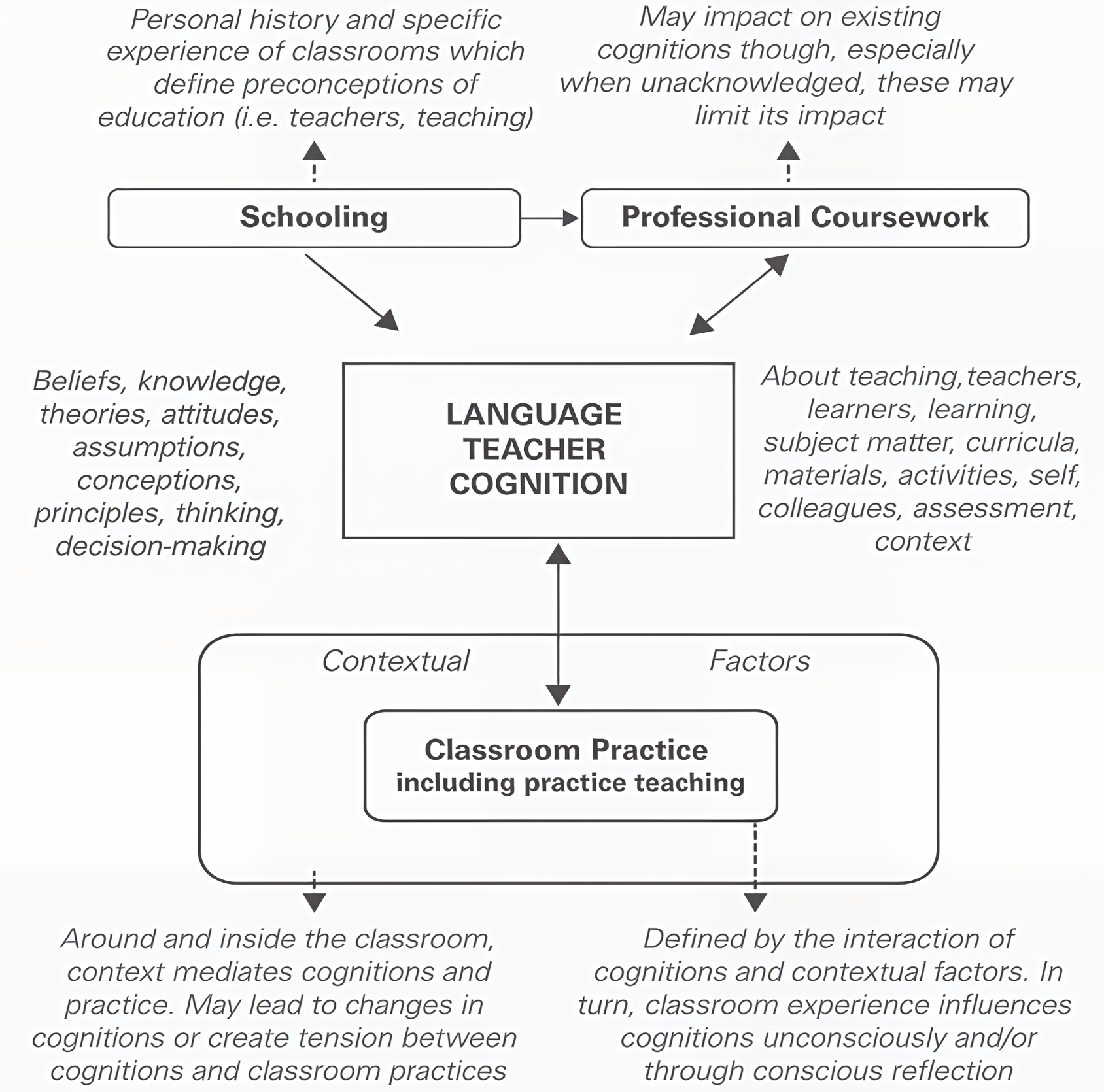
Figure 1. Language Teacher Cognition Elements and Processes (Borg, 2015, p. 333)
Note: The single and double arrows in Figure 1 refer to monodirectional or bidirectional relationships. For instance, classroom practice may both influence or be influenced by language teacher cognition.
The first of these is the impact of schooling. This overlaps to some degree with Lortie’s (1975) well-known concept of the apprenticeship of observation, as it highlights the impact of teachers’ historical experiences as classroom learners on the development of their particular beliefs on what might entail effective or ineffective teaching. The next area of influence is that of professional education/coursework –how participation in formal teacher training shapes the development and/or evolution of teacher knowledge and beliefs. Based on an extensive review of research findings in this area and a significant degree of variability in the reported impact of formal education on language teacher belief construction, Borg (2003) suggests that the ways that teachers’ “individual developmental pathways” (p. 91) are a key consideration. This refers to the notion that each teacher’s sense-making and the degree to and manner in which they choose to apply insights gained from formal teacher training is highly dependent on a rich tapestry of individual and contextual factors.
The final area of influence within Borg’s model is classroom practice. Classroom practice within Borg’s framework is regarded as having a dynamic and bidirectional relationship with teacher cognition. While the realities of the classroom most certainly mediate a teacher’s understanding and beliefs relating to it, it is also the case that teachers’ personal influences developed across their lives, such as emotional or moral beliefs, have a potentially far-reaching effect on a given class and its rules, approaches, and principles. In sum, Borg’s theory of language teacher cognition provides a useful lens for exploring how accrued beliefs, knowledge, and contextual pressures interact to shape classroom language policy. From a teacher cognition perspective, classroom language policy emerges as a situated and evolving practice, underscoring the importance of examining how teachers’ beliefs, experiences, and contextual constraints inform their decisions regarding L1 and L2 use.
Methodology
Participants
The participants in the current study were eight in-service English teachers working within Japanese higher education. In order to gain deeper insight into the experiences and beliefs of both local and non-local teachers relating to language policy, four of our participants were Japanese and four were non-Japanese. The selected participants taught in a range of different university settings and had differing degrees of experience in the field (see Table 1). All given names are pseudonyms. Participants were selected through purposeful sampling in that they were teachers of English within Japanese higher education and were bilingual (Japanese and English) to varying degrees, meaning that their language policy was an expression of agency rather than a necessity (as in the case of monolingual teachers).
Table 1. List of Study Participants
| Participant | Nationality | Qualifications and years of university teaching experience |
Teaching context |
| Kumi | Japanese | PhD (English Education), 13 years |
Professor at medium-sized private university, curriculum management team member |
| Sakura | Japanese | MA, 4 years | Lecturer (and learning advisor) at medium-sized private university |
| Hiro | Japanese | PhD (American History), 2 years |
Part-time lecturer at medium-sized private university |
| Fumito | Japanese | MA, 6 years | Part-time lecturer at medium-sized private university |
| Gemma | British | MA, 14 years | Lecturer at medium-sized private international university, curriculum management team member |
| Julian | Canadian | MA, 18 years | Lecturer at medium-sized private university |
| Laura | American | MA, 11 years | Associate Professor at medium-sized private university |
| Ralph | British | MA, 9 years | Lecturer at large private university |
Data Collection
In line with a qualitative or interpretivist paradigm, all data was collected via online (video) semi-structured interviews. Semi-structured interviews were selected as this approach allowed us to approach distinct foci relating to language policy within our interview protocol (see Appendix A), such as “student reactions and outcomes” and “professional development and support,” while also affording the interviewer the freedom to delve deeper into salient points of interest that naturally emerged throughout each interview. The interview items were developed based both on insights gained from existing studies on English teachers’ language policy and through discussion within our research team. Each interview was conducted in the participants’ first languages (English or Japanese) and the interviews were between 45 minutes and one hour in duration. Before the interviews, all of the participants received a plain language statement including an overview of the study and completed a bilingual research consent form. Each interview session was audio recorded with the resulting data then being stored in a private online folder and then subsequently translated (in the case of Japanese participants) and transcribed for later analysis.
Data Analysis
Congruent with the interpretivist nature of our study, we elected to analyze data inductively via reflexive thematic analysis (RTA) (Braun & Clarke, 2022). RTA is often aligned with a “Big Q” approach (Kidder & Fine, 1987) to data analysis that fully embraces the value of subjectivity in qualitative inquiry and may involve the researcher(s) actively interrogating certain dominant assumptions existing in a given cultural context (Braun & Clarke, 2022). As such, in the current study, we regarded our subjectivity as bilingual university teachers in Japan as something that enhances the interpretation of our data rather than taking a positivist/quantitative position framing it as “bias” that must be limited or suppressed in order to uncover an objective “truth.”
We followed an RTA process based on Braun and Clarke’s original (2006) thematic analysis model to analyze our interview data. This included six phases of 1) familiarization with data; 2) generation of initial codes; 3) searching for themes; 4) reviewing themes; 5) defining themes; and 6) final analysis. We carried out this process collaboratively throughout, with numerous face-to-face and online meetings in which we discussed our iterative construction of both codes and themes. For stages two (initial code generation) and three (searching for themes), Author 1 (manually) and Author 2 (utilizing NVivo qualitative analysis software) inductively analyzed the raw transcribed data separately, developing codes based on salient themes. One example of this was the code “democratic approach”, which was developed for any occasion where teachers would consult with their students on the classroom language policy or its implementation. We determined code salience based on numerous factors including cross-participant occurrence, frequency, and interpretive significance in relation to our research question (Buetow, 2010). Following this individual analysis stage, we met twice to review the provisional themes (Stage four) that we had separately developed until a workable consensus was reached. In line with our RTA approach, however, all of our meetings and discussions were intended not as a means of mitigating individual subjectivity, but rather an opportunity to “enhance understanding, interpretation, and reflexivity” (Braun & Clarke, 2022, p. 8). Subsequently, through an iterative dialogic process (conducted both face-to-face and online), in which we moved back-and-forth between data and insights from relevant literature, we determined our final themes and constructed our final analysis.
Positionality
In the interest of enhancing transparency while also addressing our subjectivities and reflexivity within this study, we have also chosen to include a positionality section that outlines our lived experiences and beliefs as practitioner-researchers.
Yuri. While working as a Japanese English lecturer in Japan, I have had both positive and negative experiences with English-only classrooms. Some learners fully engage with the monolingual learning environment, viewing it as a space to challenge themselves. However, for others, this environment can be discouraging due to various psychological factors, such as language anxiety and discomfort with uncertainty. I personally support Baker’s (2006) perspective, which emphasizes the value of using learners’ L1 as an effective tool in foreign language learning. Therefore, in this research, I aim to explore how lecturers at Japanese tertiary institutions perceive the English-only policy and/or broader language policies in their classrooms.
Daniel. As a white “native speaker” teacher in Japan, I have experienced a great deal of unearned privilege while also being commodified as a marketable artifact of Western culture. This experience has acted as a stimulus to invest a considerable amount of time into both my professional development and Japanese language learning so that I can consider myself more deserving of the benefits that I currently experience in Japanese higher education. The years spent as a learner of Japanese have also made me consider the potential limitations of monolingual classroom language policies and the adverse effect on student motivation and language anxiety that “native-centric” teaching approaches may have.
Findings
Based on our RTA of interview data, we constructed three broad themes that helped us organize our findings into coherent sections for clarity and readability. That being said, these themes are not clearly distinct or separate in many cases and feature a considerable amount of overlap as represented in Figure 2. With this caveat in mind, the following sections are organized according to our identified themes of student factors, teacher factors, and institutional factors.
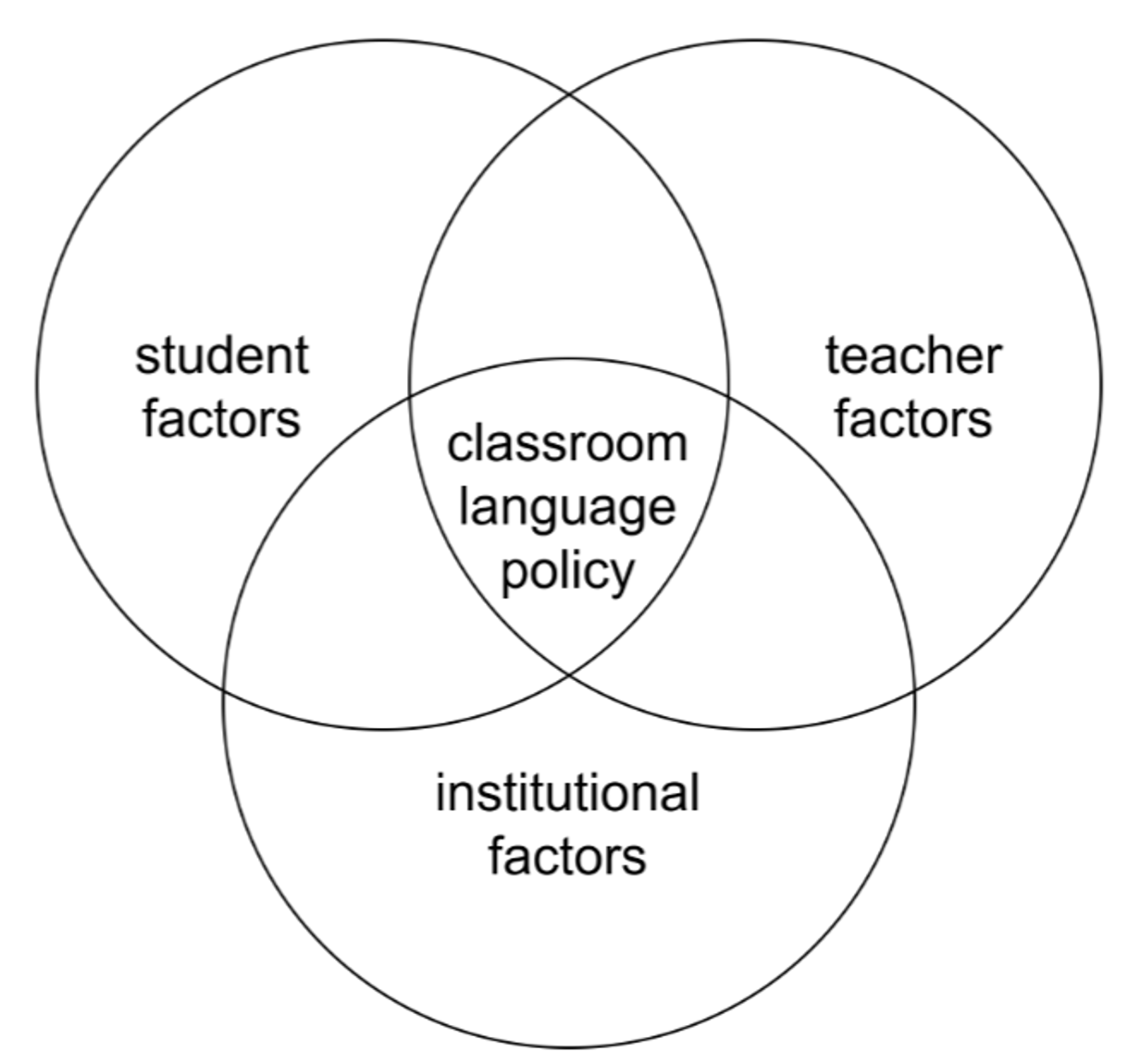
Figure 2. Overlapping Themes Identified in the Current Study
Figure 2 depicts classroom language policy as something that develops through the dynamic interaction over time of numerous overlapping factors such as student needs, teacher beliefs, and institutional expectations. The overlap between these areas shows how language policy is a constantly negotiated process in the classroom, rather than simply imposed from above in the form of governmental or institutional directives.
Student Factors: Proficiency, Participation, and Psychoemotional Support
For all participants apart from Gemma, who generally taught higher-proficiency English learners compared to other universities in Japan, students’ English proficiency had a marked impact on both the role and extent of either teacher or student classroom Japanese use. In some cases, teachers would carefully examine their students’ reactions or facial expressions in the classroom in order to judge whether or not they were following class content and if they required first-language support or scaffolding. Laura stated that her training and experiences early in her career in the JET Program may have influenced her recognition of the need for flexibility in terms of L1/L2 use in the classroom.
…On the JET Program, they used to always say every situation is different. And it was really annoying to hear that. But like, if I were giving advice, I would be like, every class is different. And I think you need to know your students. And you need to meet them where they need you. I mean, so if your students are lower level, and they’re struggling, and they don’t understand, yeah, by all means, use Japanese to support them and help them. You know, because at the end of the day, you want your students to succeed. (Laura)
Other participants, such as Sakura, Kumi, and Fumito also stated that they would often adjust their language policy in the moment and would elect to switch into Japanese based on factors such as task complexity or if the information they were relating had an important administrative function such as assessment criteria. Three of the Japanese participants, Kumi, Hiro, and Fumito, emphasized the role of Japanese in ensuring that no students in the class were left behind in an all-English environment and utilized Japanese explanations frequently to help lower proficiency students to be able to adequately follow the general flow of the class. This wide-lens view of the class as a unit featuring varied student levels that all needed to be catered for was linked to the opinion of most Japanese participants that an English-only approach in many cases may be counterproductive.
…I explain key concepts in Japanese to ensure understanding. If I switched those explanations to English, they wouldn’t understand, and that would defeat the purpose. Of course, I think it’s good to have some moments where students experience English explanations as part of language exposure. At the advanced level or higher, I think it’s beneficial to push them into a more challenging English environment. But at the basic level, that’s not really an option. (Fumito)
Due to the impact of students’ English proficiency, most teachers discussed how the ratio of Japanese/English use would vary considerably based on the level of the class, the institution in which they were teaching, or how early or late in the academic year the class took place.
Another related factor was whether or not students were actually majoring in English or even in a related field. In Julian’s case, many of his students were of comparatively low proficiency and were majoring in subjects like sports and health. This led to him frequently facing situations where he felt Japanese support was required not only to scaffold students’ understanding of lesson content but also to offset amotivation and a lack of interest in the course content. Thus, Julian regarded his relaxed policy regarding his and students’ use of Japanese – some of his classes used 70 to 80 percent Japanese – as a compromise that he made in order to ensure at least a minimal level of participation in class activities instead of an English-only class in which students would “give [him] nothing.”
I’ve got the lowest level of the lowest level of students at the university. And like they’re below, they’re about, they’re less than A0. But in other situations, the goal of the language policy, I guess, would be to encourage the students to try their best, to show them that mistakes aren’t something to be afraid of. (Julian)
Issues relating to motivation and affect based on students’ language learning histories were also influential in determining how different participants developed their balance of in-class English or Japanese use. All participants discussed the issue of L2 anxiety among Japanese students. Gemma believed that an English-only policy was a way of lowering pressure on students as it canceled out peer pressure to not stand out and provided a gentle stimulus for students who might otherwise be unwilling to try speaking in English of their own volition as it “doesn’t give them an out” (Gemma). All of the other participants, however, regarded a bilingual policy as a way to help students feel that their native language “isn’t just shunned to the side” (Ralph) and to support learners who, based on their English classes in junior high and high school, are likely unfamiliar with an English-only approach. Japanese participants were especially aware of the potential negative impact that secondary education may have had on their students’ perspectives of English classes and utilized Japanese support as a means of offsetting the emotional baggage that they may have brought with them into the classroom.
Their proficiency level and learning history play a big role in my language policy. Most basic-level students struggled with English in high school and didn’t understand their English classes. Some of them had native English teachers, but they couldn’t understand anything in class and just shut down. I don’t want them to develop that same resistance to English. (Fumito)
One way that Sakura addressed student perceptions of different language policies and striking a balance between L1 support and encouraging L2 use was by adopting a democratic approach that incorporated student voice.
At the beginning of the semester, I conducted a survey asking questions like, “How much English do you want to use?” and “How much English do you want me to use?” I also asked, “If Japanese were to be used, in what situations would you prefer it?” The responses were quite similar among students, so that’s how we arrived at this approach. (Sakura)
This section highlighted how student level, motivation, and affect were powerful influencers in how teachers adjusted their language policy both in the moment and gradually across their careers. In the following section, we will explore the impact that teachers’ cognition, beliefs, and experiences had on what they determined to be an effective and workable language policy in their particular context.
Teacher Factors: Professional Identity, Duty, and Emotional Labor
Teacher beliefs about effective language pedagogy based on their experiences as both learners and teachers appeared to have a marked impact on how they justified their individual language policies. In the case of Laura and Ralph’s language learning experiences, they emphasized the importance of human connection and practicing communication strategies. This led them to emphasize casual, low-pressure English-only conversation practice time in their classes that would put students in a position where they had to think on their feet and practice skills like circumlocution while also feeling supported by peers and the teacher.
I would say that, like, I guess I see English as a tool. I see English as a global tool of communication. And so sometimes when students use Japanese in class, like I tell them, I’d say to the class after an activity, “If you use Japanese to communicate, that’s OK. But I noticed some of you use Japanese for very simple words.” And then I try to promote circumlocution and say, “That’s OK if you’re speaking to another Japanese speaker, but remember, in the real world, if you speak to another person who’s not a Japanese speaker, you wouldn’t have the luxury of just saving time by translating something.” (Ralph)
Moreover, several Japanese teachers reflected on their language learning histories and highlighted how they experienced first-hand the struggles of Japanese English learners. Based on these experiences, they understood the awkwardness of Japanese students speaking in English to each other, how “Japanese use in the classroom isn’t inherently bad, depending on how it’s used” (Sakura), and their potential value as “role model[s] for students who want to speak English” (Kumi).
Naturally, teachers’ sense of professional duty also shaped their views on what entailed a desirable language policy. In the case of Gemma and Kumi, who worked in private internationally-focused universities, they exhibited a strong sense of responsibility to provide students with the best possible return on their investment (in terms of time, effort, or tuition fees) and thus worked hard to provide as close as possible to an English-only environment so that they are “getting their money’s worth” (Kumi). Conversely, other teachers such as Julian and Fumito described their more relaxed, bilingual language policies as symbolizing their responsibility to students who may have considerable anxiety or resistance to English classes and who might simply give up in an English-only environment. Fumito argued that in an English-only class, “I think it would feel like I was abandoning them” and Julian asserted that by scaffolding with their first language, he could guarantee that even in the case of students with extremely low motivation, “some focus [or] attention [has been] given to the English language component.” Fumito described how his current perspective on language policy was the result of a gradual evolution over the course of his teaching career and his informal professional development process.
Well, when I first started teaching, I believed I should conduct classes entirely in English. That’s what was emphasized in my teacher training program, and I was told that was the way it should be. So, I started with that mindset. But after meeting students in real classroom settings, I realized it wasn’t as simple as “this is how it should be.” Over time, I began incorporating a lot more Japanese. I adjusted my approach based on what was effective in the classroom, what I saw in other teachers’ lessons, and how students reacted. (Fumito)
Another key area of attention and emotional labor that we identified from our participants’ experiences was that of classroom management, and in particular, the management or enforcement of their language policies. Teachers adopting a wholly or primarily English-only approach (Gemma, Laura, Ralph, and Sakura), utilized a variety of techniques to ensure that students adhered to their chosen language policy. In the case of Gemma and Laura, who were proficient Japanese speakers, they would frequently discuss with students the rationale behind English-only classes and would intentionally conceal their Japanese knowledge from their students, believing that it would prevent them from “falling back on using Japanese” (Gemma). Ralph, on the other hand, regarded his own Japanese proficiency as limited, meaning that he felt revealing this in front of the class may impact the degree of authority that he possessed and, thus, his ability to manage disruptive students or other classroom management issues.
[I need to] maintain my authority, which I don’t really like to say, because I don’t want to come into a classroom as I’m “the teacher.” …But when it’s a lower-level class where lots of especially boys are just messing around, impressing each other and speaking too much Japanese that’s not related to the content of the day, then if I if I use it and then I expose myself as not a proficient Japanese speaker, then I just think the balance of power is off and I might risk losing control of the classroom potentially. (Ralph)
In the case of Sakura, she stated that she had an “acceptable range” of 90% English use that she tried to implement in her classes as she did see some benefits in judicious Japanese use. In order to maintain this amount of English, she would carefully choose, scaffold, and monitor activities in order to create scenarios in which students would likely not feel the need to revert to Japanese. As previously discussed, for the teachers with more bilingual approaches (Julian, Kumi, Hiro, and Fumito), classroom management considerations were often related to ensuring that students with limited English proficiency or low motivation for language learning were still meeting minimum course requirements and were not being left behind. Julian stated that his language policy was often simply designed to make sure that students could easily understand instructions so as to “keep them off their phones” and encourage them to “have a little respect for the [classroom].” Julian was a late-career teacher and described how the emotional labor of trying to consistently enforce English-only policies had exhausted him over time and had led him to take a more laissez faire approach.
So, generally, I would say that I let [Japanese use] go, but another factor is that I’m just not as young as I used to be. Getting on them all the time, it takes effort and energy, and I just haven’t any more for it. (Julian)
This sentiment was also, to varying degrees, echoed by Laura, Ralph, and Kumi, who expressed attempting to enforce an English-only approach to unwilling students as a source of emotional labor. Several teachers (Laura, Julian, Kumi, and Fumito) also discussed the practical issue of time. These participants highlighted the value of Japanese use in efficiently and clearly explaining grammatical concepts or doing managerial talk. For Kumi in particular, there seemed to be an element of time pressure tied to her decision to switch to Japanese explanations when teaching students with lower English proficiency. She explained how this made her sometimes “rush through tasks” and then later come to question or regret this later when reflecting on how her class went.
Hmm, at that moment, I might just be focused on finishing quickly. Later on, I’ll think, “Did I use too much Japanese?” or, “Why did I say that in Japanese?” Even simple responses like “That’s right” might make me wonder afterward, “Why did I say that in Japanese?” I realize after the fact that I’ve slipped into Japanese mode. (Kumi)
Although the last two sections have focused primarily on student- and teacher-focused that largely emerge from the microcontext of the language classroom, it is important to view teachers’ language policies as an intersection of structural and agentic forces. Consequently, in the following section, we turn our focus to various institutional influences that further shape the foundations of their cognition and beliefs relating to language policy.
Institutional Factors: Policy Limitations and Insufficient Guidance
One final area impacting teachers’ decisions over language policy lay beyond localized classroom considerations tied to perceived student needs and was distinct from internal cognitive, psychological, or emotional factors specific to each teacher. Namely, their language policies appeared, to varying degrees, to be shaped by ecological affordances or constraints specific to their institutional environments.
The most direct example of this was through the presence of explicit departmental language policies. Several participants (Gemma, Laura, Julian, Ralph, Sakura) reported institutions that they had worked at, either currently or in the past, as having English-only policies that they expected all teachers to follow. Most teachers recognized, in principle, the potential value in encouraging classroom English use while also taking a more pragmatic and flexible view regarding how strictly English-only policies should be enforced. Even in the case of Gemma, the teacher with the most positive view of English-only classes, stated that she would likely provide bilingual support in her classes if it were not for her institution’s English-only position.
I think, yeah, some of it comes from the institution for sure. If the policy wasn’t as strict. I might use a little bit more. Japanese in the classroom to explain grammar, for example. Yeah. Like more technical content. (Gemma)
Institutional or departmental language policies, however, were often regarded by participants to be largely unenforceable in practical terms as university management did not possess the means to regularly monitor what was actually going on in each classroom. This meant that, according to Julian, universities he had worked in had tried to “always push it down the throat that English-only is best,” and argued that these institutional “black and white” policies or expectations were dictates “that nobody follow[ed].” Ralph echoed these sentiments when describing the situation in a former workplace and highlighted that English-only may have been viewed as a management, rather than a wholly pedagogical initiative:
I get the reasons that [English-only] was being promoted, and the people that were promoting it to us were probably being told to promote it by their higher ups… …But when you said it was being implemented, the only way it could be implemented was if they had some strict class observation schedule where the higher ups went into every classroom to enforce that, which they didn’t. And that’s the case in a lot of Japanese universities. The teacher has so much freedom and power. So, I do my thing and if you’ve got a problem with it, come and talk to me. (Ralph)
In the case of the other Japanese participants (Kumi, Hiro, and Fumito), their institutions either set very broad guidelines such as “Let’s teach in English.” (Kumi) that were not actively followed up upon, or made no prescriptions whatsoever regarding the ratio of English or Japanese use in class. Regarding institutional guidelines, Fumito believed that such decisions should be based on “how each teacher decides to teach” and, therefore, regarding institutional directives, “I don’t feel like it’s something they need to provide.”
One final related issue was that of training and guidance regarding language policy and established practices in the field. All participants stated that, beyond the aforementioned institutional directives that some had received regarding English-only policies, very little to zero training or guidance had been provided by any of the universities they had worked at. Gemma’s institution seemed to be the most proactive from all of the teachers we spoke to, as she described how language policy decisions are discussed with teachers following formal lesson observations. However, this appeared to be the exception as most participants described guidance in this area as limited to periodic reminders of the English-only policy from management or informal self-initiated conversations with colleagues. In terms of drawing upon established “best practices” in the field regarding language policy, in response to a lack of guidance from their current institutions, participants would often refer to professional development and instruction they had received in their time as students or trainee teachers. This came in the form of Certificate in Teaching English to Speakers of Other Languages (CELTA) or graduate-level training (Gemma, Fumito), experience as an assistant language teacher or teaching assistant (Laura, Hiro), past academic reading (Julian, Hiro), or reflection based on their accumulated experience in the classroom (Julian, Fumito).
Well, when I first started teaching, I believed I should conduct classes entirely in English. That’s what was emphasized in my teacher training program, and I was told that was the way it should be. So, I started with that mindset. But after meeting students in real classroom settings, I realized it wasn’t as simple as “this is how it should be.” (Fumito)
Discussion
The aim of this study was to examine how Japanese and non-Japanese English teachers in Japanese higher education understand and implement their classroom language policies relating to L1 and L2 use –an issue that has been widely discussed across a range of English language teaching and EMI contexts (Burner & Carlsen, 2023; Canagarajah & Dovchin, 2019; Chung & Choi, 2016; Dobinson et al., 2024; Sánchez et al., 2021; Sato, 2025). Our findings suggest that teachers’ day-to-day language choices are influenced by student needs, teacher beliefs and experiences, and environmental affordances and constraints, rather than by institutional policy directives alone. In this section, we discuss these findings in relation to previous research on classroom language policy, multilingual pedagogy, and teacher cognition, paying particular attention to the gap between institutional expectations and the realities teachers face in the classroom.
Our participant accounts frequently highlight how English-only ideology still functions as a strong professional norm, a pattern observable across many international education contexts, even when teachers’ own classroom experiences contradict or question its pedagogical value. This ideology is institutionally embedded in MEXT’s guideline that “classes should basically be conducted in English” in secondary education as well as initiatives to develop English in higher education, and it is further reinforced through what Borg terms “professional coursework” in the form of prior teaching training, which tends to position English-only instruction as the professional norm. These pressures shape institutional standards at the university level, where English-only practices are provided as a common norm without adequate support or discussion. As a result, some teachers who strategically use Japanese to support their students feel guilty due to their bilingual teaching styles. This guilt suggests that teachers may internalize English-only ideology as one morally-connected measure of professionalism, a phenomenon documented in multiple instructional contexts (Barnard & McLellan, 2014; Gardner-Chloros, 2009; Yuvayapan, 2019), where language policy can be framed as an ethical, rather than a purely pedagogical, issue. Participants described different kinds of guilt connected to Japanese use. Some worried that they were moving away from what they understood to be best practice, while others felt pressure from institutional expectations or concern that students were not receiving the degree of English exposure they expected upon enrollment. We can observe target-language-only ideology and related feelings of guilt influencing teacher behavior in several identifiable ways: teachers using students’ L1 strategically for pedagogical purposes often engage in forms of self-monitoring. Examples from our data include retrospectively framing L1 use as a “slip” or framing it as something to feel guilty about, rather than as a legitimate instructional choice. In these various ways, pedagogically-motivated L1 use can become a source of emotional labor, observable in participants describing fatigue or a gradual loosening of policy enforcement over time.
Together, these findings are congruent with existing studies (Barnard & McLellan, 2014; Gardner-Chloros, 2009) in that they suggest that English-only ideology influences both classroom practice and how teachers regard themselves professionally and emotionally. The participants’ explicit expressions of guilt regarding Japanese use provide concrete empirical examples of this ideological influence and add nuance to what has been illustrated in earlier studies. Despite this negative affect relating to L1 use, however, teachers frequently draw on students’ shared linguistic resources to respond to multilingual classroom realities, including the need for affective support and inclusive pedagogical practices (Sánchez et al., 2021; Sato, 2025). In the context examined here, this often takes the form of teachers’ strategic Japanese use designed to help their students feel safe in the language classroom. This supports findings from Aoyama (2020) and Sato (2023), who report that L1 support can be used to reduce learner anxiety or develop in-class solidarity. Another important function of L1 use is to help manage students’ cognitive load, depending on the level and demands of the task, as noted by Turnbull and Sweetnam Evans (2017). Sato (2023) echoes the need for scaffolding of in-class content if it is determined to be beyond learners’ current proficiency, and advocates for intentional use of students’ L1 as one scaffolding approach. Simultaneously, however, our findings suggest that teachers’ emotional labor may also stem from L1 use due to a lack of clarity, transparency, or decision-making authority regarding institutional language policy. As will be discussed in greater detail later, numerous participants appeared to act as unsupported implementors of language policy in their classrooms. Institutional instruction in this area appeared to be virtually non-existent, leaving teachers to shoulder the emotional weight of guessing what balance of L1 or L2 use might be acceptable in the eyes of their university. At the other extreme, blanket English-only policies appeared to have been foisted onto teachers with little awareness of classroom realities. Many teachers in this study often appeared to be working within a gray area between ambiguity and prescriptivism – unsure of language policy best practices stemming from a lack of training or guidance while also feeling pressure or guilt whenever departing from one-size-fits-all institutional dictates due to pedagogical necessity.
Borg’s (2003, 2015) teacher cognition framework helps explain these findings, as they suggest that classroom language policy emerges not as a fixed belief but as an evolving response to repeated tensions between institutional expectations and classroom realities. Teachers draw on their knowledge, beliefs, thoughts, and past experiences to make decisions and interpret classroom practice. Many of them prioritize the immediate needs of their students over institutional expectations in order to facilitate understanding and reduce anxiety. A new dimension emerging from the data is the emotional labor teachers experience while navigating pressures between language policy and practice. Several teachers report feeling responsible for maintaining a supportive classroom atmosphere when classes were supposed to enforce an English-only environment, which they feel might exacerbate student anxiety. In response, they use Japanese to create a safe space or build rapport; on the other hand, one non-Japanese teacher expressed insecurity about their Japanese proficiency. This psychological factor of worrying about how using Japanese might undermine their professional identity led them to favor English-only classroom practice. This insecurity is linked to teachers’ internal factors, such as their beliefs about what a teacher should be. These findings also foreground an important emotional dimension of language policy decision-making that is less visible in Borg’s framework.
Teachers working in contexts featuring students with higher English proficiency expressed more positive attitudes toward English-only policies, which aligns with Yashima and Kojima’s (2024) findings in EMI contexts. This association suggests that English-only policies may be tacitly designed for already-successful learners, raising concerns over equity for students with lower proficiency or weaker academic motivation for English courses. In contrast, teachers working with lower-proficiency and/or less motivated students often experience mixed feelings towards English-only instruction. They are constantly navigating the desire to provide maximum English exposure for linguistic development against the need for efficient and strategic bilingual communication. They also, in contrast, recognize that the use of Japanese is necessary and effective for supporting students emotionally and pedagogically, which is consistent with findings from Turnbull (2018a). Our findings also extend existing discussions of classroom language policy by indicating that whether a course is mandatory or elective influences students’ degree of engagement and motivation regarding target language use and, therefore, the pedagogical strategies that teachers implement to effectively manage their classrooms. In line with Borg’s (2015) teacher cognition framework, these classroom practice considerations, particularly if frequent in nature, are likely to shape teacher attitudes and beliefs regarding the efficacy of a given language policy. Furthermore, several participants highlight the enforcing of English-only policy as a source of emotional labor when they face frequent student resistance or amotivation and when they perceive students to be tired or stressed in an English-only environment. This seeming lack of alignment between teacher beliefs or institutional dictates regarding English-only pedagogy and the reactions or expectations of some students is a key element of classroom practice. Consequently, this sense of incongruity spurs most of the teacher participants to develop workable compromises that they feel help to sustain the emotional well-being of both them and their students.
Our findings highlight tensions between institutional expectations and teachers’ day-to-day decision-making, reflecting patterns reported in other language education contexts (Dobinson et al., 2024; Sánchez et al., 2021; Wang, 2008). To compound this issue, participants frequently state that they receive little explicit institutional guidance on when or how Japanese can be used to support students, mirroring a lack of clarity in MEXT’s guidelines regarding the appropriate use of Japanese, as also noted by Glasgow and Paller (2016). Importantly, the tensions discussed here do not necessarily stem from teachers roundly rejecting institutional expectations. Instead, many participants find language policy negotiation necessary because their perceptions tend to be that institutional or departmental norms or guidelines surrounding classroom language use are often vague, reductionist, inconsistently enforced, or based on factors unrelated to pedagogy. The result of this is that teachers are often required to shoulder full responsibility of language policy decisions without clear institutional guidance, which in turn manifests itself in uncertainty and emotional labor surrounding L1 use. Without this systematic support or opportunity to engage in discussion with their institutions, teachers have to interpret classroom language policy on their own, including their beliefs and teaching philosophies (Chung & Choi, 2016), and adjust their practices to meet their perceptions of students’ affective needs, proficiency levels, and course objectives. This, naturally, results in diverse and dynamic practices. Gemma attempts to follow the English-only policy, while Sakura adopts a democratic approach by incorporating students’ voices to decide the amount of L1 use. Others describe shifting toward more flexible policies as they gain experience and a better understanding of their students’ needs. These examples show that many teachers adapt language policy to fit their own classrooms rather than simply acquiescing to institutional rules. However, as previously discussed, this policy interpretation role is not free of cost. Several of the teachers in this study highlight the emotional labor and stress that comes from them working in a gray zone between ambiguity (How do I decide an effective policy?) and prescriptivism (Am I breaking the rules?).
None of the participants report receiving prior training or clear guidelines related to language policy, and such policies appear to have been implemented without sufficient bottom-up consideration or discussion. This absence of guidance suggests that institutions delegate responsibility for resolving language policy tensions to individual teachers, effectively leaving teachers to reconcile these tensions on their own, and creating a gray zone that exacerbates educators’ emotional labor. Relating this to Spolsky’s perspective (2019, 2021), their institutions appear to overlook teachers’ complex roles as both managers and advocates, which are shaped by teachers’ own self-management of their linguistic repertoires. The increasing emphasis on EMI can be mistakenly taken as a license to impose English-only practices and, based on the perspective of many of our participants, this may sometimes be done without fully considering whether this aligns with the needs and contexts of individual institutions. In reality, even in EMI classes, students express clear preferences for L1 use and other multilingual classroom practices during discussions (Kikuchi, 2019; Turnbull & Sweetnam Evans, 2017). Even teachers who hold curriculum coordination roles do not seem to fully understand the rationale behind their institution’s language policy, nor do they facilitate substantive discussions among colleagues. None of our participants recall receiving any principled guidance on how to establish a principled classroom language policy, and when classroom policy was discussed at all, it generally took the form of institutional dictates regarding the need for an English-only policy or periodic reminders of what an institution’s blanket policy is. As a result, policies that teachers only partially understand, are made with no bottom-up input, and feature no clear pedagogical justification, are often implemented without question.
In addition, although teachers are aware of the benefits of using Japanese, their understanding rarely extends beyond a superficial awareness of the general concept of bilingual pedagogical approaches, such as translanguaging. Turnbull (2018b) stresses the importance of explicitly introducing translanguaging as a pedagogical concept, but the findings suggest that this is not enough. Teachers also need structured opportunities to discuss the purpose, goal, and practical implications of classroom language policy. Such dialogue should include a clear theoretical rationale and consideration of local teaching contexts. Also, policy should be appropriately considered based on the level of the students and the characteristics of the course such as mandatory or elective. Without this, policy would remain symbolic rather than functional, and classroom practices are unlikely to align with institutional expectations and students’ needs.
In sum, our findings suggest that classroom language practices in Japanese university English classrooms likely emerge through a continuous process of negotiation between institutional expectations, teacher beliefs, and student needs. While firmly grounded in Japanese higher education, we cautiously posit that some of the tensions discussed here may also resonate with teachers working in other EFL and EMI contexts. That being said, it is crucial to understand classroom language policy as situated practice rather than being viewed in a “one-size-fits-all” fashion. With this in mind, the following conclusion draws out the key implications of these findings for policy, teacher education, and future research.
Conclusions
In this study, we set out to explore how both local and non-Japanese teachers in higher education English classes construct and implement their classroom language policies. Japan is a context that illustrates deep-seated and enduring tensions between monolingual English-only ideology and the multilingual realities of classroom practice. Similar tensions have also been discussed in other higher education contexts (Dobinson et al., 2024; Shvidko, 2017; Wang, 2008). The findings from this study, too, reinforce the notion of a gap between institutional directives and teaching practice, with our participants describing language policy as being molded by a range of interacting personal, classroom, and institutional factors as well as a close attention to in-the-moment student needs. As such, a key contribution of this study is demonstrating how ambiguity and a lack of stakeholder (teacher, student) discussion surrounding English-only expectations shifts ultimate responsibility for language policy enactment onto individual teachers, creating emotional labor and uncertainty tied to what constitutes pedagogically appropriate L1/L2 use.
We see that student, teacher, and institutional factors often overlap in shaping our participants’ classroom language policies. Congruent with Borg’s (2015) framework of teacher cognition, teachers appear to develop pedagogical beliefs and principles in this area based upon previous learning experiences, professional training, and accrued hands-on and situated experience as English educators in Japan. One particular area of heightened awareness arising from these factors is participants’ prioritization of recognizing and responding to students’ degree of self-efficacy, proficiency, and motivation related to English learning. Consequently, monolingual approaches are often substituted for varying degrees of bilingual practice that allow teachers to meet students’ affective needs, scaffold participation in English classes, and also maintain their teacher well-being rather than trying to force a pedagogy that they often view as out of sync with the realities of their classrooms. This is also reflected in the ever-present, but frequently disregarded presence of institutional policy. Due in part to the previously-discussed gap between monolingual ideology and classroom reality, as well as a marked lack of guidance or explanation regarding language policies, participants often rely on their own judgment, albeit cautiously, and proceed according to what they, rather than the institution, believe students will benefit from. In turn, this has the potential to exacerbate stress and emotional labor in language teachers as they lack principled guidance, support, and authority in creating language policies that will enhance student learning while also feeling guilt or insecurity whenever their classroom language use diverges from reductionist institutional prescriptions such as English-only policies.
There are numerous implications for practice that stem from our findings. Although these implications are drawn from the Japanese higher education context, they may offer tentative insights for institutions in other educational settings in which English-only approaches and ideology are dominant. Firstly, the findings of this study can arguably contribute to conversations on how certain institutions or teachers may benefit from moving beyond blanket directives for language policy with the goal of embracing more contextually-sensitive guidelines and training for developing classroom language policy. Such guidance should take into account factors such as student proficiency level and background, course type (elective or compulsory), or disciplinary needs. Making teachers active contributors to rather than mere recipients of language policy could conceivably also help to create professional environments that empower practitioners and respect a balance of canonical knowledge (broadly-applicable rules) and non-canonical knowledge (grassroots, experience-based insights) (Brown & Duguid, 1991). Teacher education or continuing professional development, such as MA TESOL programs or in-service teaching workshops, may also benefit from incorporating a broader range of perspectives on classroom language policy including translanguaging. Adopting bottom-up or dialogic approaches such as reflective practice could also help pre- or in-service teachers to explore a range of options for classroom language policy that they can tailor to align with their teacher identity and beliefs.
Stemming from its qualitative nature and the limited number of participants, one should not take this study’s findings to be broadly applicable to a wide range of domestic or global contexts. Instead, the findings should be interpreted as individual highly-situated points of reference rather than broadly generalizable “truths.” To address this fundamental limitation, comparative research across national or institutional contexts would help to clarify which observed patterns are context-specific and which may align with broader phenomena in contemporary global English language education. Furthermore, the data in this study consisted solely of self-report data that may be unreliable. As such, future studies could supplement interview data with classroom observations or stimulated recall as well as longitudinal fieldwork that could help to establish consistent patterns of teacher behavior over time. Furthermore, a more balanced perspective incorporating not only teacher, but also student and administrator perspectives on classroom language policy could help to create a more fleshed-out picture of the realities connected to this issue. These limitations notwithstanding, this study contributes to ongoing discussions of classroom language policy in Japanese higher education and related EFL contexts by highlighting the need to acknowledge multilingual realities in university English classrooms and to recognize teachers as reflective practitioners constantly striving to balance institutional expectations, pedagogical concerns, and their own well-being.
Acknowledgments
We wish to express our deepest gratitude to our participants and their kind willingness to share their experiences, successes, and challenges with us. We are also deeply appreciative of our reviewers and the editorial team for their insightful and encouraging comments that allowed us to greatly strengthen our manuscript.
About the Authors
Yuri Imamura is an Associate Professor at the Research and Development Institute for Higher Education at Shukutoku University, Japan. Her research focuses on language learner autonomy, translanguaging in the Japanese context, and both learner and teacher development. ORCID ID: 0009-0008-1634-2407
Daniel Hooper is an Associate Professor in the Faculty of Global Management at Chuo University. He has been teaching in Japan for 20 years in a variety of contexts, including primary/secondary schools, English conversation schools, and universities. His research interests include communities of practice, self-access language learning, learner identity, narrative inquiry, and reflective practice. ORCID ID: 0000-0001-9431-3195
To Cite this Article
Imamura, Y. & Hooper, D. (2026). Between English-only ideology and classroom reality: language policy in Japanese higher education. Teaching English as a Second Language Electronic Journal (TESL-EJ), 30(2). https://doi.org/10.55593/ej.30118a1
References
Aoyama, R. (2020). Exploring Japanese high school students’ L1 use in translanguaging in the communicative EFL classroom. Teaching English as a Second Language Electronic Journal (TESL-EJ), 23(4), n4. https://tesl-ej.org/wordpress/issues/volume23/ej92/ej92a12/
Baker, C. (2006). Foundations of bilingual education and bilingualism (4th ed.). Multilingual Matters.
Barnard, R., & McLellan, J. (Eds.). (2014). Codeswitching in university English-medium classes: Asian perspectives. Multilingual Matters. https://doi.org/10.21832/9781783090914
Borg, S. (2003). Teacher cognition in language teaching: A review of research on what language teachers think, know, believe, and do. Language Teaching, 36(2), 81–109. https://doi.org/10.1017/S0261444803001903
Borg, S. (2015). Teacher cognition and language education. Bloomsbury.
Bradford, A., Ishikura, Y., & Brown, H. (2022). Sustaining internationalization: English-medium programs in Japan. International Higher Education, (110), 15–16. https://ejournals.bc.edu/index.php/ihe/article/download/14981/11147/37129
Braun, V., & Clarke, V. (2006). Using thematic analysis in psychology. Qualitative Research in Psychology, 3(2), 77–101. https://doi.org/10.1191/1478088706qp063oa
Braun, V., & Clarke, V. (2022). Thematic analysis: A practical guide. Sage. https://doi.org/10.53841/bpsqmip.2022.1.33.46
Brown, J. S., & Duguid, P. (1991). Organizational learning and communities-of-practice: Toward a unified view of working, learning, and innovation. Organization Science, 2(1), 40–57. https://doi.org/10.1287/orsc.2.1.40
Buetow, S. (2010). Thematic analysis and its reconceptualization as ‘saliency analysis’. Journal of Health Services Research & Policy, 15(2), 123–125. https://doi.org/10.1258/jhsrp.2009.009081
Burner, T., & Carlsen, C. (2023). Teachers’ multilingual beliefs and practices in English classrooms: A scoping review. Review of Education, 11(2), e3407. https://doi.org/10.1002/rev3.3407
Canagarajah, S. (2011). Translanguaging in the classroom: Emerging issues for research and pedagogy. Applied Linguistics Review, 2, 1–27. https://doi.org/10.1515/9783110239331.1
Canagarajah, S., & Dovchin, S. (2019). The everyday politics of translingualism as a resistant practice. International Journal of Multilingualism, 16(2), 127–144. https://doi.org/10.1080/14790718.2019.1575833
Cenoz, J., & Gorter, D. (Eds.). (2015). Multilingual education: Between language learning and translanguaging. Cambridge University Press. https://doi.org/10.1017/9781009024655
Cenoz, J., & Gorter, D. (2020). Teaching English through pedagogical translanguaging. World Englishes, 39(2), 300–311. https://doi.org/10.1111/weng.12462
Chung, J., & Choi, T. (2016). English education policies in South Korea: Planned and enacted. In R. Kirkpatrick (Ed.), English language education policy in Asia (pp. 281–299). Springer. https://doi.org/10.1007/978-3-319-22464-0_13
Cook, V. (2001). Using the first language in the classroom. Canadian Modern Language Review/La Revue Canadienne des Langues Vivantes, 57(3), 402–423. https://doi.org/10.3138/cmlr.57.3.402
Dobinson, T., Dryden, S., Dovchin, S., Gong, Q., & Mercieca, P. (2024). Translanguaging and “English only” at universities. TESOL Quarterly, 58(1), 307–333. https://doi.org/10.1002/tesq.3232
García, O. (2009). Bilingual education in the 21st century: A global perspective. Wiley-Blackwell.
Gardner-Chloros, P. (2009). Code-switching. Cambridge University Press. https://doi.org/10.1017/CBO9780511609787
Glasgow, G. P., & Paller, D. L. (2016). English language education policy in Japan: At a crossroads. In R. Kirkpatrick (Ed.), English language education policy in Asia (pp. 153–180). Springer. https://doi.org/10.1007/978-3-319-22464-0_7.
Hiramoto, M. (2013). English vs English conversation: Language teaching in modern Japan. In L. Wee, R. B. H. Goh, & L. Lim (Eds.), The politics of English: South Asia, Southeast Asia, and the Asia Pacific (pp. 228–248). John Benjamins. https://doi.org/10.1075/wlp.4.16hir
Honna, N. (2005). Ajia shokoku ni okeru eigo kyōiku no torikumi : eigo hi-kōyōgo o chūshin to shite [Initiatives in English education in Asian countries: Focusing on non-official English language contexts]. Proceedings of the JACET Kanto-Kousetsu Regional Conference, 31–32. http://dl.ndl.go.jp/info:ndljp/pid/10500053
Hooper, D., & Hashimoto, N. (Eds.) (2020). Teacher narratives from the eikaiwa classroom: Moving beyond “McEnglish”. Candlin & Mynard ePublishing. https://doi.org/10.47908/13
Kidder, L. H., & Fine, M. (1987). Qualitative and quantitative methods: When stories converge. In M. M. Mark & L. Shotland (Eds.), New directions for program evaluation (pp. 57–75). Jossey-Bass. https://doi.org/10.1002/ev.1459
Kikuchi, K. (2019). Motivation and demotivation over two years: A case study of English language learners in Japan. Studies in Second Language Learning and Teaching, 9(1), 157–175. https://doi.org/10.14746/ssllt.2019.9.1.7
Kirkpatrick, R., & Bui, T. T. N. (2016). Introduction: The challenges for English education policies in Asia. In R. Kirkpatrick (Ed.), English language education policy in Asia (pp. 1–23). Springer. https://doi.org/10.1007/978-3-319-22464-0_1
Lewis, G., Jones, B., & Baker, C. (2012). Translanguaging: Origins and development from school to street and beyond. Educational Research and Evaluation, 18(7), 641–654. https://doi.org/10.1080/13803611.2012.718488
Lortie, D. (1975). Schoolteacher. University of Chicago Press. https://press.uchicago.edu/ucp/books/book/chicago/S/bo3645184.html
Macaro, E. (2005). Codeswitching in the L2 classroom: A communication and learning strategy. In E. Llurda (Ed.), Non-native language teachers: Perceptions, challenges and contributions to the profession (pp. 63–84). Springer US. https://doi.org/10.1007/0-387-24565-0_5
Macedo, D. (2000). The colonialism of the English only movement. Educational Researcher, 29(3), 15–24. https://doi.org/10.3102/0013189X029003015
Machida, T. (2019). How do Japanese junior high school teachers react to the teaching English in English policy? JALT Journal, 41(1), 5–26. https://jalt-publications.org/sites/default/files/pdf-article/jj2019a-art1.pdf
McMillan, B. A., & Rivers, D. J. (2011). The practice of policy: Teacher attitudes toward “English only”. System, 39(2), 251–263. https://doi.org/10.1016/j.system.2011.04.011
Ministry of Education, Culture, Sports, Science and Technology (MEXT). (2011). Kōtō gakkō gakushū shidō yōryō eiyaku-ban: Gaikokugo [The course of study for upper secondary schools: Foreign languages]. https://www.mext.go.jp/a_menu/shotou/new-cs/youryou/eiyaku/__icsFiles/afieldfile/2011/04/11/1298353_9.pdf
Ministry of Education, Culture, Sports, Science and Technology (MEXT). (2014). Kongo no eigo kyōiku no kaizen jūjitsu hōsaku ni tsuite [Report on future policies for the improvement and enhancement of English education]. https://www.mext.go.jp/b_menu/shingi/chukyo/chukyo12/shiryo/__icsFiles/afieldfile/2014/11/07/1353318_06.pdf
Ministry of Education, Culture, Sports, Science and Technology (MEXT). (2017a). Chūgakkō Gakushū Shidō Yōryō (Heisei 29-nen kokuji) Kaisetsu Gaikokugo-hen. [Course of study for lower secondary schools (2017 notification): Commentary—Foreign languages]. https://www.mext.go.jp/component/a_menu/education/micro_detail/__icsFiles/afieldfile/2019/03/18/1387018_010.pdf
Ministry of Education, Culture, Sports, Science and Technology (MEXT). (2017b). Heisei 29-nendo eigoryoku chōsa kekka (kōkō 3-nensei) no gaiyō [Summary of the FY 2017 English proficiency survey results (3rd-year high school students)]. https://www.mext.go.jp/a_menu/kokusai/gaikokugo/__icsFiles/afieldfile/2018/04/06/1403470_03_1.pdf
Ministry of Education, Culture, Sports, Science and Technology (MEXT). (2019). Shin gakushū shidō yōryō zenmen jisshi ni muketa shōgakkō gaikokugo ni kansuru torikumi [Elementary school foreign language education under the new curriculum guidelines]. https://www.mext.go.jp/b_menu/shingi/chukyo/chukyo3/004/siryo/__icsFiles/afieldfile/2019/09/11/1420968_2.pdf
Ministry of Education, Culture, Sports, Science and Technology (MEXT). (2024). Reiwa 5-nendo daigaku nyūgaku-go no sōgō-teki na eigoryoku no ikusei・hyōka ni kansuru kōjirei ni tsuite. [Examples of Best Practices for the Development and Assessment of Comprehensive English Proficiency After University Enrollment (FY2023)]. https://www.mext.go.jp/content/20240529-mxt_daigakuc01-000005144_01.pdf
Ministry of Education, Culture, Sports, Science and Technology (MEXT). (2025). Reiwa 6-nendo eigo kyōiku jisshi jōkyō chōsa [Survey on the implementation status of English education (FY2024)]. https://www.mext.go.jp/content/20250623-mxt-kyouiku01-000042425_1.pdf
Nagashima, Y., & Lawrence, L. (2021). De-nativizing academic writing in Japanese ELT: Toward a translingual approach. Kobeshi gaikokougo daigaku kenkyuujo (Kobe City University of Foreign Languages Research Center), 62, 41–61. https://kobe-cufs.repo.nii.ac.jp/records/2619
Nagatomo, D. H. (2016). Identity, gender, and teaching English in Japan. Multilingual Matters. https://doi.org/10.21832/9781783095216
National Institute for Educational Policy Research. (2023). Reiwa 5-nendo zenkoku gakuryoku gakushū jōkyō chōsa no kekka [Results of the 2023 National Academic Achievement and Learning Status Survey]. https://www.nier.go.jp/23chousakekkahoukoku/report/data/23summary.pdf
Nishino, T. (2012). Modeling teacher beliefs and practices in context: A multi–site case study of EFL teaching in Japanese junior high schools. TESOL Quarterly, 46(4), 628–654. https://doi.org/10.1002/tesq.40
Noda, M., & O’Regan, J. P. (2020). L1 marginalisation in Japan: Monolingual instrumentalism and the discursive shift against yakudoku in the Japanese government’s Course of Study. Current Issues in Language Planning, 21(2), 135–152. https://doi.org/10.1080/14664208.2019.1647998
Nuske, K. (2014). It is very hard for teachers to make changes to policies that have become so solidified”: Teacher resistance at corporate eikaiwa franchises in Japan. The Asian EFL Journal Quarterly, 16(2), 105–131.
Sánchez, M. T., Menken, K., & Pappas, L. N. (2021). “What are you doing to us?!”: mediating English-only policies to sustain a bilingual education program. International Multilingual Research Journal, 16(4), 291–307. https://doi.org/10.1080/19313152.2021.2015936
Sato, R. (2023). Japanese EFL speakers’ willingness to communicate in L2 conversations: The effects of code-switching and translanguaging. TESL-EJ, 27(3). https://doi.org/10.55593/ej.27107a5
Sato, R. (2025). A contrastive analysis of translanguaging practices between an experienced and a preservice teacher. The Asian Journal of Applied Linguistics, 9(2), 1288. https://doi.org/10.25442/hku.30931157
Selvi, A. F., Yazan, B., & Mahboob, A. (2024). Research on “native” and “non-native” English-speaking teachers: Past developments, current status, and future directions. Language Teaching, 57(1), 1–41. https://doi.org/10.1017/S0261444823000137
Shin, J. Y., Dixon, L. Q., & Choi, Y. (2020). An updated review on use of L1 in foreign language classrooms. Journal of Multilingual and Multicultural Development, 41(5), 406–419. https://doi.org/10.1080/01434632.2019.1684928
Shvidko, E. (2017). Learners’ attitudes toward “English-only” institutional policies: Language use outside the classroom. TESL Canada Journal, 34(2), 25–48. https://doi.org/10.18806/tesl.v34i2.1265
Smart, B. (2022). Learner L1 in the EFL classroom: An autoethnographical account of one teacher’s evolving beliefs. Studies in English Language and Literature, 28, 51–67. https://tokyo-kasei.repo.nii.ac.jp/record/12358/files/2022_e_0003.pdf
Spolsky, B. (2004). Language policy. Cambridge University Press.
Spolsky, B. (2019). A modified and enriched theory of language policy (and management). Language Policy, 18, 323–338. https://doi.org/10.1007/s10993-018-9489-z
Spolsky, B. (2021). Rethinking language policy. Edinburgh University Press.
Tri, D., & Moskovsky, C. (2023). Language use in English-medium instruction programs in Vietnamese higher education: From policy to practice. Asian Englishes, 25(3), 326–342. https://doi.org/10.1080/13488678.2021.1891513
Turnbull, B. (2018a). Examining pre-service ESL teacher beliefs: Perspectives on first language use in the second language classroom. Journal of Second Language Teaching & Research, 6(1), 50–76. https://pops.lancashire.ac.uk/index.php/jsltr/article/view/482
Turnbull, B. (2018b). Is there a potential for a translanguaging approach to English education in Japan? Perspectives of tertiary learners and teachers. JALT Journal, 40(2), 101–134. https://doi.org/10.37546/JALTJJ40.2-3
Turnbull, B., & Sweetnam Evans, M. (2017). L1 and L2 group discussions in L2 reading comprehension. Reading in a Foreign Language, 29(1), 133–154. https://doi.org/10.64152/10125/66731
Wang, H. (2008). Language policy implementation: A look at teachers’ perceptions. Asian EFL Journal, 30(1), 1–38. https://usnpendbing.wordpress.com/wp-content/uploads/2015/03/pta_august_08.pdf
Yang, J., & Jang, I. C. (2022). The everyday politics of English-only policy in an EFL language school: practices, ideologies, and identities of Korean bilingual teachers. International Journal of Bilingual Education and Bilingualism, 25(3), 1088–1100. https://doi.org/10.1080/13670050.2020.1740165
Yashima, T., & Kojima, N. (2024). English learning motivation, proficiency, and success in EMI. JACET Journal, 68, 91–107. https://doi.org/10.32234/jacetjournal.68.0_91
Yuvayapan, F. (2019). Translanguaging in EFL classrooms: Teachers’ perceptions and practices. Journal of Language and Linguistic Studies, 15(2), 678–694. https://doi.org/10.17263/jlls.586811
Appendix A
Interview Protocol (English)
Understanding Language Policies
- Can you describe your classroom language policy? What languages do you use and in what contexts?
- How do you decide which language(s) to use during different classroom activities?
- What are the main goals or objectives of your language policy?
Influences on Language Policy
- What factors influenced the development of your current language policy?
- How do your students’ language backgrounds and proficiency levels affect your language policy?
- What role do institutional guidelines or curriculum requirements play in shaping your language policy?
Implementation and Practice
- How do you implement your language policy in day-to-day classroom interactions?
- Can you give examples of specific classroom activities or strategies you use to enforce your language policy?
- What challenges have you faced in implementing your language policy, and how have you addressed them?
Student Reactions and Outcomes
- How do your students typically respond to the language policy you have in place?
- In what ways do you think your language policy impacts students’ language learning and proficiency?
- How do you address students’ concerns or difficulties related to the language policy?
- Can you share any success stories or examples where your language policy positively impacted student learning?
Professional Development and Support
- What kind of training or professional development have you received related to classroom language policies?
- Do you feel you have adequate support from your institution regarding language policy issues?
- How do you stay informed about best practices and research related to language policies?
Reflection and Future Directions
- How has your language policy evolved over time, and what prompted those changes?
- What advice would you give to other language teachers developing or refining their own classroom language policies?
[back]
| Copyright of articles rests with the authors. Please cite TESL-EJ appropriately. Editor’s Note: The HTML version contains no page numbers. Please use the PDF version of this article for citations. |